15 Spectacular Waterfalls in Africa You Can Get Close To
From the thunderous power of Victoria Falls to the sky-high drop of Tugela Falls, Africa is home to some of the world’s most awe-inspiring waterfalls. These cascades are not just breathtaking, they are accessible via well-maintained trails, viewing platforms, offerring an unforgettable close-up experience to their brute force. Whether you’re planning a trip or just curious, here are […]
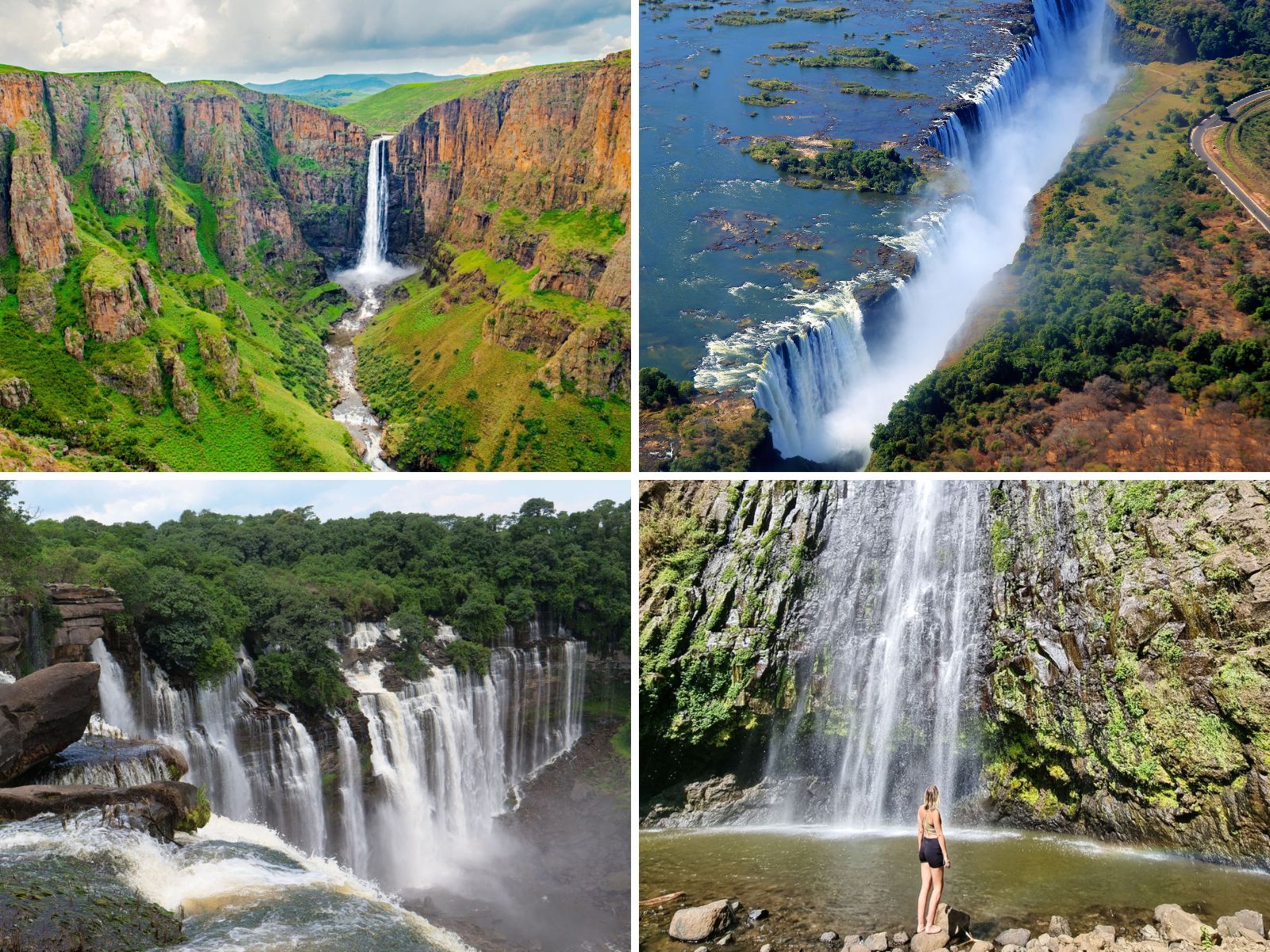
ByEmese MaczkoAugust 18, 2026August 18, 2026From the thunderous power of Victoria Falls to the sky-high drop of Tugela Falls, Africa is home to some of the world’s most awe-inspiring waterfalls. These cascades are not just breathtaking, they are accessible via well-maintained trails, viewing platforms, offerring an unforgettable close-up experience to their brute force. Whether you’re planning a trip or just curious, here are the top waterfalls in Africa worth knowing — and a map to help you choose your next adventure. Visuals: Emese Maczko, Eco Lodges Anywhere. Victoria Falls, Zimbabwe – ZambiaPhoto credit: Depositphotos. Victoria Falls stands as Africa’s largest waterfall, spanning5,604 feetwide and plunging355 feetinto the Zambezi Gorge. It is one of theseven natural wonders of the worldand a UNESCO World Heritage Site. During peak flow,145 million gallonsare cascading per minute down the cliff. The spray rises1,312 feethigh, visible from31 milesaway, earning its local name‘Mosi-oa-Tunya’—The Smoke that Thunders. The falls sit11 milesfrom Victoria Falls Airport in Zimbabwe, but there are entrance gates both in Zimbabwe and Zambia. In Zimbabwe, access starts at theVictoria Falls National Parkentrance ($50 for international visitors), leading to a paved walkway through rainforest. The1-miletrail features16 viewpoints, including the Devil’s Cataract and Danger Point at the end. The Victoria Falls Guidegive you detailed tips on when to visit the falls if you want the best views and perfect rainbows. Tip: the heaviest flow during the spring does not mean the best time to visit the falls. In Zambia, the access is at Mosi-oa-Tunya National Park. After paying the entrance fee ($20 for international visitors) you have to follow a pathway that includes the Boiling Pot all the way to Knife’s Edge at the end. This side of the Falls is completely dry during fall and early winter. TheDevil’s Pool near Livingstone Islandis where you see people swimming at the edge of the falls and lie there. It is not for the faint of heart, but it is a unique experience not a lot of locations offer. Tugela Falls, South AfricaPhoto credit: Depositphotos. Tugela Falls stands as the second-highest waterfall in the world, plunging3,110-feet downthe Amphitheatre cliff face in theRoyal Natal National Park. Located in the Drakensberg Mountains, this seasonal cascade creates a spectacular five-tiered drop against the basalt rock face. After heavy rains, visitors can see up to18 waterfalls. However, during winter months, the falls transform into stunning ice columns. The trek to Tugela Falls starts at the Sentinel Car Park, accessible via a gravel road fromWitsieshoek Mountain Lodge. One-way transfer to the car park from the lodge isR137. 50 per personand it takes 45 minutes. Park entrance costs R45 per adult. The7. 5-mile hiketo the summit is typically a 7-8 hour-long round trip. Soul Adventures recommendstwo-day hike with overnight camping. WHERE TO STAY–Antbear LodgeandWitsieshoek Mountain Lodge. Augrabies Falls, South AfricaPhoto credit: Depositphotos. Augrabies Falls plunges184 feetinto an11-milegranite gorge along the Orange River. This powerful waterfall ranks among Africa’s largest by water volume, reaching14,300 cubic feet per secondduring peak flood seasons. The name comes from the Khoi word‘Ankoerebis,’meaning“place of big noises,”a fitting description for the thunderous sound created by the falling water. The falls are located withinAugrabies Falls National Park, accessible via a paved road from the closest airport in Upington, about 75 miles away. However, tour operators offer day trips from Cape Town and Johannesburg. A well-maintained 5-mile trail leads visitors through a gorge overlooking the falls. Park entrance costsR293 for international visitors. The best viewing times are early morning or late afternoon when the sun creates stunning rainbow effects. WHERE TO STAY–Tswalu Kalahari Reserve. Maletsunyane Falls, LesothoPhoto credit: Depositphotos. Maletsunyane Falls stands as Africa’s highest single-drop waterfall, plunging670 feetinto a spectacular gorge near Semonkong. The thundering cascade creates a permanent mist cloud visible from miles away. During winter months, the spray freezes into dramatic ice formations along the cliff faces. However,Dotti and Zandy from Explore Travel Oasisrecommends visiting the falls in spring. The falls can be accessed via a 45-minute drive fromSemonkong Lodgealong a dirt road, followed by a moderate1. 2-milehiking trail. The path winds through rugged highland terrain and requires good hiking boots. Visitors canrappel down the 670 feet waterfall, which is not only a bucket list adventure, but it is a Guinness World Records-certified abseil. According to Semonkong Lodge’s website7,000 people have already done it. Local guides are mandatory and can be hired at the lodge forLSL 2,200 per personthat includes abseiling. WHERE TO STAY–Semonkong Lodge. Lumangwe Falls, ZambiaPhoto credit: Jasper Neupane via Canva Pro. Lumangwe Fallsthunders down a328-foot-wideacross the Kalungwishi River, creating a spectacular curtain of water that mirrors the shape and power of Victoria Falls. This hidden gem in northern Zambia drops115 feetinto a misty pool below, where visitors can take a refreshing swim during the dry season. The dense spray creates a permanent rainbow, making it a photographer’s paradise. While its famous sister cascades along the southern border, Lumangwe Falls is at northern Zambia, about 68 miles from Mporokoso town, accessible via a dirt road that requires a 4×4 vehicle. From the parking area, a short 10-minute walk leads to viewing platforms overlooking the cascade. The trail is well-maintained but can get slippery from the mist. Entry costs$15 per personfor international travels and an additional$5 vehicle fee. Kalambo Falls, Tanzania – ZambiaKalambo Falls stands as Africa’s second-highest single-drop waterfall, plunging over770 feetdown a sheer cliff face. The largest flow is expected around May and June after the rainy season ends in April. By autumn and winter, the waterfall loses significantly from its appeal. Located on the border of Tanzania and Zambia, this powerful cascade creates a spectacular mist that fills the gorge below. The falls feed into the Kalambo River before joining Lake Tanganyika, offering excellent photo opportunities from several designated viewpoints. The falls sit25 milesnorth of Mbala, Zambia. Access requires a 4×4 vehicle to reach the parking area, followed by a moderate30-minute hikethrough woodland trails. Local guides lead visitors to the safest viewing spots. The entrance fee is$10 per person, payable at the ranger station near the trailhead. Materuni Waterfalls, TanzaniaPhoto credit: Depositphotos. Materuni Waterfalls cascades150 feet downthe slopes of Mount Kilimanjaro, creating a misty spectacle in Tanzania’s lush forest. The crystal-clear pool at the base invites visitors to swim and cool off. This waterfall in Africa is one of the most accessible waterfall experiences near Moshi, with its powerful spray creating natural rainbows on sunny days. The trailhead starts in Materuni Village, a30-minute drivefrom Moshi town. A moderate40-minutehike through coffee plantations and forest paths leads to the falls. Local guides are required for the trek, with entrance fees of$15 per person. The path can be slippery during rainy seasons, so proper hiking shoes are recommended. Owu Falls, NigeriaOwu Falls stands as Nigeria’s tallest waterfall, dropping330 feetinto a crystal-clear pool below. Visitors can swim in the cool, refreshing pool at the base during dry season. The falls lie near Owa-Kajola village in Kwara State, about3 hoursfrom Ilorin city. A3. 2-minutehike through dense forest leads to the falls, with local guides available for hire at the entrance point. The access fee is500-1000 Naira (approximately $2 USD)per person. Murchison Falls, UgandaPhoto credit: Depositphotos. Murchison Falls stands as Africa’s most powerful waterfall, where the mighty Nile River squeezes through a23-foot gapin the rocks, plunging148 feetwith explosive force. The thundering cascade releases12,000 cubic feet of water per second, creating a permanent rainbow and misty spectacle that’s earned its nickname “The Devil’s Cauldron. ”The falls sit insideMurchison Falls National Park, accessible via a 5-hour drive from Kampala. It is also home of some of theBig 5 safari animalssuch as elephants and buffaloes and other iconicAfrican animalslike the Nile crocodile and giraffes. Safari toursoften include a boat ride on the Nile River up to the waterfall. From the north bank parking area a moderate45-minutehike leads to viewing platforms at the top of the falls. Park entrance costs$45 for international visitors, with guided hikes available for an additional $25. Sipi Falls, UgandaPhoto credit: Depositphotos. Located on Mount Elgon’s slopes,Sipi Fallscascades down three spectacular tiers of ancient volcanic rock,279 feet,213 feetand328 feetrespectively. The main waterfall creates a misty veil that sparkles in the sunlight, while smaller cascades offer perfect spots for swimming and photography. The surrounding coffee plantations and mountain views make this one of Eastern Uganda’s most beautiful natural attractions. The falls sit35 milesnorth of Mbale town. Access requires a30-minute drivefrom Mbale to Kapchorwa, followed by 3–4 hours walk on a marked trail. The entrance fee is50,000 Ugandan shillings, with local guides available at the visitor center to lead tours along the well-maintained paths (for10,000–20,000 UGX). Epupa Falls, NamibiaPhoto credit: Depositphotos. Epupa Falls creates a stunning display where the Kunene River drops131 feetacross a series of parallel channels spanning about a mile wide. The scattered cascades form small pools between the rocks, perfect for a refreshing swim with views of Angola on the opposite bank. Wild fig trees and makalani palms frame these magnificent falls, making them one of Namibia’s most photogenic natural wonders. The falls sit112 milesnorth of Opuwo, accessible via a graded gravel road suitable for 4×4 vehicles. Local guides offer 1-2 hour walking tours fromEpupa Falls LodgeforN$200-300 per person, leading visitors along well-marked paths to multiple viewpoints during sunrise or sunset. The best time to visit is between March and May when water levels remain high but crowds stay low. WHERE TO STAY–Epupa Falls Lodge. Blue Nile Falls, EthiopiaPhoto credit: Depositphotos. The Blue Nile Falls ranks as Ethiopia’s most impressive natural spectacle, dropping150 feetacross a width of1,312 feet. The cascading water splits into multiple channels, creating a dramatic scene as it crashes over volcanic rock formations. During peak flow season between June and September, the falls create a thunderous mist that earned its local name ‘Tis Abay‘ (meaning ‘great smoke’). A30-minutedrive from Bahir Dar city leads to the trailhead at Tis Abay village. The moderate1. 5-milehiking trail costs50 Ethiopian birrfor entrance and includes crossing a 17th-century Portuguese bridge. Guided tours, often include a boat ride to nearby Lake Tana, lead visitors through coffee plantations and across a suspension footbridge that offers prime photography spots of the waterfalls. Kalandula Falls, AngolaPhoto credit: Depositphotos. Kalandula Falls stands as Angola’s largest waterfall, dropping344 feetacross a spectacular1,300-foothorseshoe formation. The falls thunder down the Lucala River, creating a misty spectacle visible from several viewing platforms. During the dry season, visitors can swim in the natural pools at the base, where the water runs clearer and calmer. The falls sit53 milesfrom Malanje city. A drive would take for approx. 2 hours on partially paved roads. The entrance costs2,000 kwanza, with guided tours available charging around5,000 kwanza. A short10-minutewalk from the parking area leads to multiple viewing points, including a steep but manageable path to the base of the falls. Ouzoud Falls, MoroccoPhoto credit: Depositphotos. The spectacular Ouzoud Falls stands approx. 360 feettall in Morocco’s Atlas Mountains, making it North Africa’s and Morocco’s highest waterfall. The water cascades down three tiers of rust-colored cliffs, creating a refreshing mist and permanent rainbow. Swimming in the natural pool is possible at the base during summer months, where the cool mountain water provides perfect relief from the Moroccan heat. The falls sit approx. 90 milesfrom Marrakech, with direct buses running daily to Ouzoud village. However, most visitors opt for group tours that includes transport and entrance. According toNico from Journal of Nomads, it is a popular natural attractions in Morocco, so visitors should expect crowds even in low season. He also highlights that self-guided tours are possible and locals saying otherwise may be a scam. Chamarel Waterfalls, MauritiusPhoto credit: Depositphotos. Chamarel Waterfalls stands as Mauritius’s highest waterfall, with twin cascades plunging328 feetdown a dramatic volcanic cliff face. Its peak flow rate can reach up to1. 4 million cubic feet per minute. The streams split into parallel flows, creating a mesmerizing sight against the black and brown rock face. The distinctive dark volcanic rocks frame the pristine white waters, making this natural wonder a photographer’s dream, particularly during morning hours when rainbows frequently appear in the mist. The falls sit within theSeven Coloured Earth Geoparkin Chamarel, Mauritius, about29 milesfrom Port Louis and 34 miles from the international airport. It takes approx. 3 hours to walk the trail, but arriving at the falls also means visitors can swim in the pool underneath it. Many choose tojoin a guided tourto get the most out of the day. Entry costs600 Mauritian rupeesfor international travelers and includes access to the nearby Seven Colored Earth geological formation. More waterfalls around the worldEmese MaczkoEmese Maczko is a travel blogger behind Eco Lodges Anywhere. Having explored several destinations around Europe, the US, Indonesia, and Australia, and resided in Germany, the United Kingdom, and Luxembourg, Emese possesses a keen understanding of diverse cultures and an appreciation for the beauty of each destination she visits. She advocates for sustainable travel and ecotourism.