3 Powerful Messages: Nicaragua Solidarity with China After Deadly Floods and Factory Fire - teleSUR English
Nicaragua solidarity with China was expressed in a message of condolences to President Xi Jinping after deadly floods, tornadoes and a factory fire in Fujian, highlighting shared concern over climate‑driven. . .
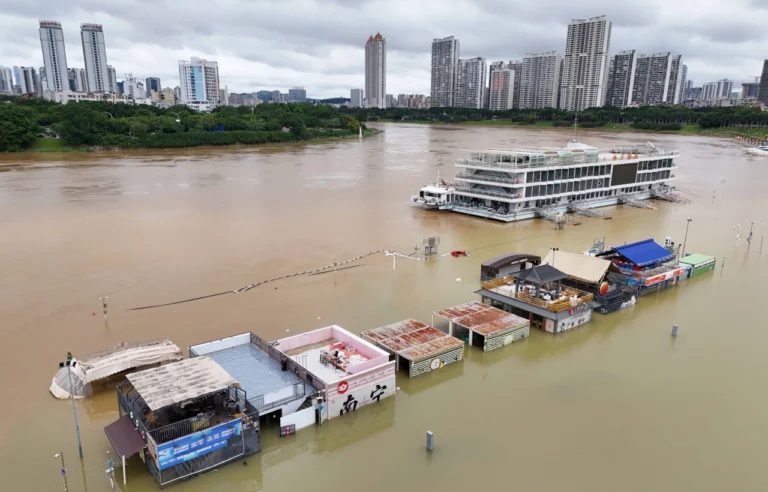
Nicaragua solidarity with China was expressed in a message of condolences to President Xi Jinping after deadly floods, tornadoes and a factory fire in Fujian, highlighting shared concern over climate‑driven disasters. July 11, 2026 Hour: 11:55 am🔗 Comparte este artículoPDFNicaragua solidarity with China grows as Managua sends condolences to Xi Jinping after floods, tornadoes and a fatal factory fire in Fujian, highlighting climate disaster impacts. Related:President Xi: China and North Korea to Keep Advancing Socialist CauseNicaragua solidarity with Chinawas formally expressed on Friday, when the Nicaraguan government sent a message of support and condolences to Chinese President Xi Jinping after severe floods and a deadly factory fire in Fujian. The letter, signed by President Daniel Ortega and Vice President Rosario Murillo, links the recent tragedies in China to the broader climate emergency affecting the planet, and underscores Managua’s fraternal ties with Beijing. Nicaragua solidarity with China and the presidential messageIn its note addressed to the president of the People’s Republic of China, the Government of Nicaragua conveyed“the most heartfelt condolences for the victims in recent days as a consequence of the climate disaster our planet is experiencing. ”The message situates the storms, floods and other extreme events as part of a global pattern, not isolated incidents, and framesNicaragua solidarity with Chinawithin a shared sense of vulnerability to climate impacts. The letter also refers directly tothe tragic fire at a factory in Fujian province, noting that this incident leftfatal victims and deep pain among families who lost loved ones. By pairing the flood damage and the industrial fire in a single communication, the Nicaraguan leadership acknowledges both natural and man‑made dimensions of the crisis China is confronting. “A usted, hermano presidente, y a todos nuestros hermanos en ese gran país, nuestras oraciones y nuestros más sinceros sentimientos de solidaridad fraternal,” the message continues. In English, this reads:“To you, brother president, and to all our brothers in that great country, our prayers and our most sincere feelings of fraternal solidarity. ”With that closing,Nicaragua solidarity with Chinais expressed not only as a diplomatic gesture, but as a heartfelt statement of empathy. This communication comes amid a period of closer political coordination between Managua and Beijing. Nicaragua has repeatedly backed Chinese positions in international forums, and China has increased engagement with Nicaragua on economic and political issues, giving the solidarity message added weight in the bilateral relationship. Government of Nicaragua – PresidencyMinistry of Foreign Affairs of the People’s Republic of ChinaUN Office for the Coordination of Humanitarian Affairs – China DisastersNicaragua solidarity with China and the scale of recent disastersRecent days have brought a series ofsevere storms and extreme weather events across different regions of China, leavingdozens of people dead and causing serious damageto infrastructure, housing and local economies. In several provinces, emergency operations continue as authorities work to locate missing persons, evacuate residents and stabilize affected areas. Against this backdrop,Nicaragua solidarity with Chinaadds one more voice to the international response. InHubei province, in central China, at least11 people died after two high‑intensity tornadoes swept through the region, destroying buildings and disrupting transport and services. Tornadoes of this strength are relatively rare but can cause devastating local impacts when they hit densely populated or poorly prepared areas. InGansu province, alandslide left 21 people dead and seven injured, underscoring the growing risk posed by heavy rainfall in mountainous regions where soil stability is weakened by erosion, construction or deforestation. For Chinese authorities, events like this raise additional questions about land‑use planning and early‑warning systems. Meanwhile, inGuangxi, authorities have reportedcatastrophic flooding with more than 39 fatalitiesand at least130,000 people evacuated from their homes and taken to shelters. The scale of displacement demonstrates how quickly local disasters can become humanitarian emergencies that require large‑scale coordination, shelter management and health monitoring. The industrial sector has also been hit. On9 July, alarge‑scale fire broke out at a footwear factory in Jinjiang, Fujian province, in southeast China, causing at least28 deaths and leading to the evacuation of more than 200 people. Even as rescue teams fought the blaze and secured the site, investigators began to examine the causes, including possible safety failures or structural vulnerabilities that allowed the fire to spread. These combined events—tornadoes, landslides, floods and an industrial fire—create a complex emergency scenario in which resources must be divided across multiple fronts. Nicaragua solidarity with Chinarecognises that China is facing a multi‑layered crisis and stresses the human cost borne by ordinary families who suddenly lose relatives, homes or livelihoods. China Meteorological AdministrationEmergency Management Ministry of ChinaWorld Meteorological Organization – Climate and Extreme EventsGeopolitical contextNicaragua solidarity with Chinacarries broader implications for South–South relations and for how climate‑related disasters are framed in international diplomacy. By explicitly referring to a “climate disaster that our planet is experiencing,” Managua places the events in China within a global narrative of environmental crisis that disproportionately affects developing nations and vulnerable communities, even in major powers like China. The message also reflectsthe deepening political rapport between Nicaragua and China, which have strengthened ties in areas ranging from infrastructure and trade to shared positions on international issues. In this context, solidarity after floods and a factory fire is more than symbolic; it signals the expectation that partners will stand by each other in moments of human loss, regardless of geographical distance. More widely, such gestures illustrate howclimate and disaster diplomacyis becoming a new dimension of international relations. As extreme weather events grow more frequent and intense, states increasingly use messages of support, aid offers and joint statements to reinforce alliances and project an image of responsibility and compassion. Nicaragua solidarity with Chinafits this pattern, positioning both countries as part of a community that recognises climate impacts as a shared challenge rather than a purely domestic problem. https://x. com/el19digital/status/2075694956270834038Author: JMVRSource: El 19 DigitalIN THIS ARTICLE