6 Simple Ways to Be More Kind; How They Can Benefit Your Mental and Physical Health
Being kind is one of the easiest ways to better the lives of both yourself and others. Kindness has been shown to lower stress levels, enhance relationships, and boost one’s overall sense of happiness. . . .
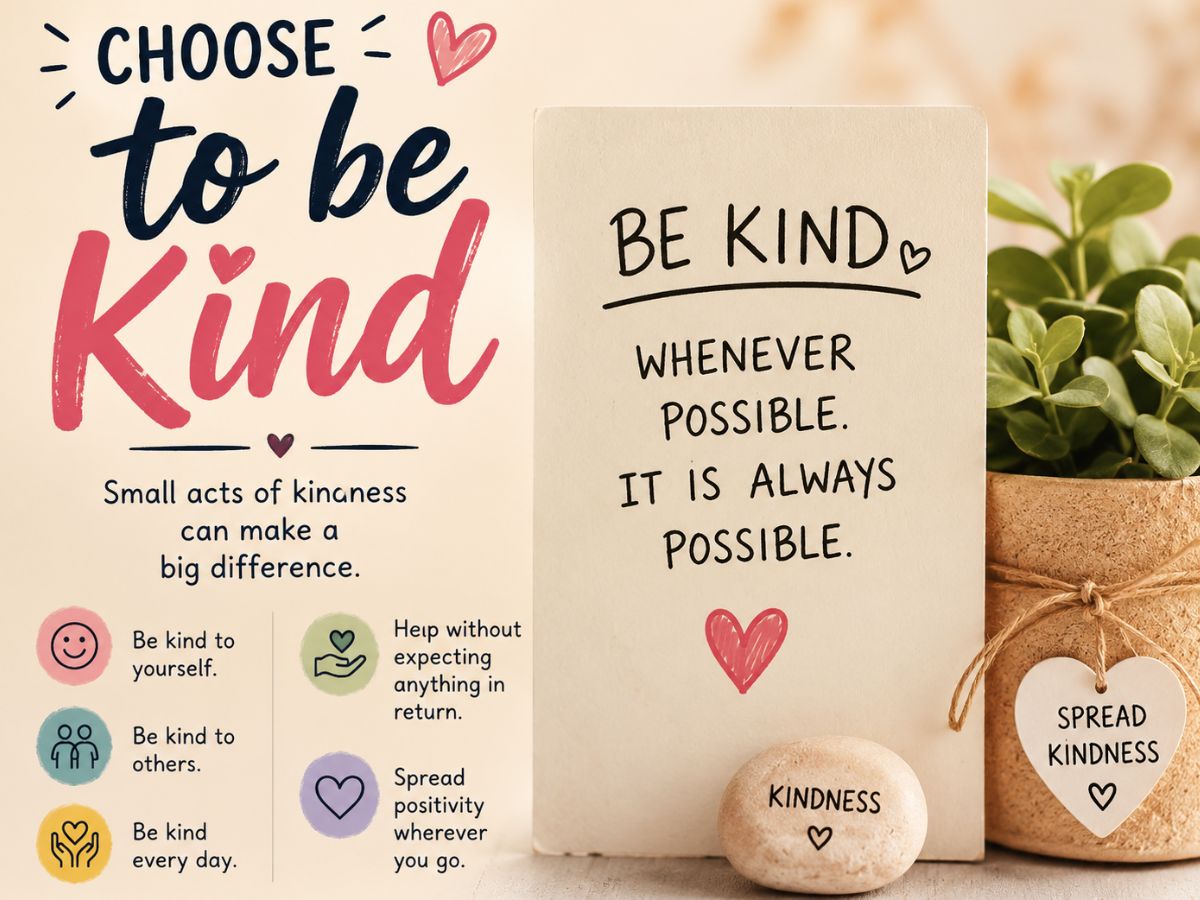
Being kind is one of the easiest ways to better the lives of both yourself and others. Kindness has been shown to lower stress levels, enhance relationships, and boost one’s overall sense of happiness. Sometimes, being kind doesn’t need to be a big action at all. It can simply be through making minor changes in your everyday routine. Why Kindness Is Important for Mental Health and Overall Well-BeingKindness fosters a sense of connectivity between individuals and makes them feel important and special. Whatever it may be, from kind words to lending a helping hand and just being there, compassion in general can make a difference to people’s emotional well-being and contribute to the building up of a more united community. Scientific studies show that being kind might decrease one’s stress levels, alleviate feelings of loneliness, and increase life satisfaction. There is no better way to be kind to others and keep your relations healthy & smooth than. Practice Active Listening to Strengthen RelationshipsYou Might Be Interested InSome of the best ways of expressing one’s kindness through actions would include paying close attention to another person when he or she is talking. People need someone to listen to them because it is not easy to find anyone like that in the current busy world. The act of listening to other people helps build trust and develop good relationships. Give Genuine Compliments to Spread PositivityA few kind words can be enough to lift up someone’s spirits. When you compliment someone or give credit to someone for the hard work that he has done, it can boost one’s confidence levels and make an environment more positive. You may compliment your colleagues, friends, or even your family members, and in return, gain a lot yourself. Help Others Without Expecting Anything in ReturnActs of kindness need not involve spending money or being difficult. Assisting a neighbor with groceries, helping a colleague with some work, or offering one’s services can make a world of difference. By helping people out without demanding any gratitude or compensation for your good deeds, you feel like you have a purpose in life and that you belong somewhere. Express Gratitude Every Day to Improve Emotional HealthShowing appreciation is another powerful way to practice kindness. Saying “thank you” and acknowledging the support and efforts of others can strengthen relationships and foster a positive mindset. Gratitude helps people focus on what they have rather than what they lack, which can reduce stress and increase feelings of contentment. Regularly expressing gratitude can also improve emotional resilience and encourage stronger social connections. Practice Self-Kindness to Reduce Stress and BurnoutBeing kind should not be limited to others. Treating yourself with compassion is equally important for maintaining emotional and physical health. Many people are overly critical of themselves, which can lead to stress and anxiety. Practicing self-kindness means accepting mistakes, taking time to rest, and prioritizing healthy habits. By treating yourself with the same understanding you offer others, you can improve self-confidence and protect yourself from burnout. Perform Random Acts of Kindness Every DaySmall gestures often have the greatest impact. Smiling at a stranger, holding the door open, sending an encouraging message, or offering support to someone in need can brighten another person’s day. These random acts of kindness not only benefit the recipient but can also increase your own sense of happiness and fulfillment. Over time, simple acts of compassion can inspire others and create a more caring environment. How Kindness Benefits Physical and Mental HealthScientific studies suggest that kindness can have positive effects on both the mind and body. Helping others and maintaining strong social relationships can reduce stress hormones and promote feelings of happiness. Positive interactions may also improve emotional resilience and support heart health. People who regularly engage in compassionate behaviors often report higher levels of life satisfaction and stronger social support networks. The Bottom Line: Why Being Kind Is Good for YouKindness is more than just a moral value; it is a habit that can improve your quality of life. By listening carefully, expressing gratitude, helping others, and practicing self-compassion, you can strengthen relationships, reduce stress, and boost your overall well-being. Even the smallest act of kindness can have a lasting impact, proving that compassion benefits everyone involved.