Acumen secures $90 million for resilient agriculture in Africa
The impact investment firm(Edge)rolled out its first Acumen Resilient Agriculture Fund in 2021, raising $58 million to support African farmers’ climate and livelihood resilience. It’s back in the market with. . .
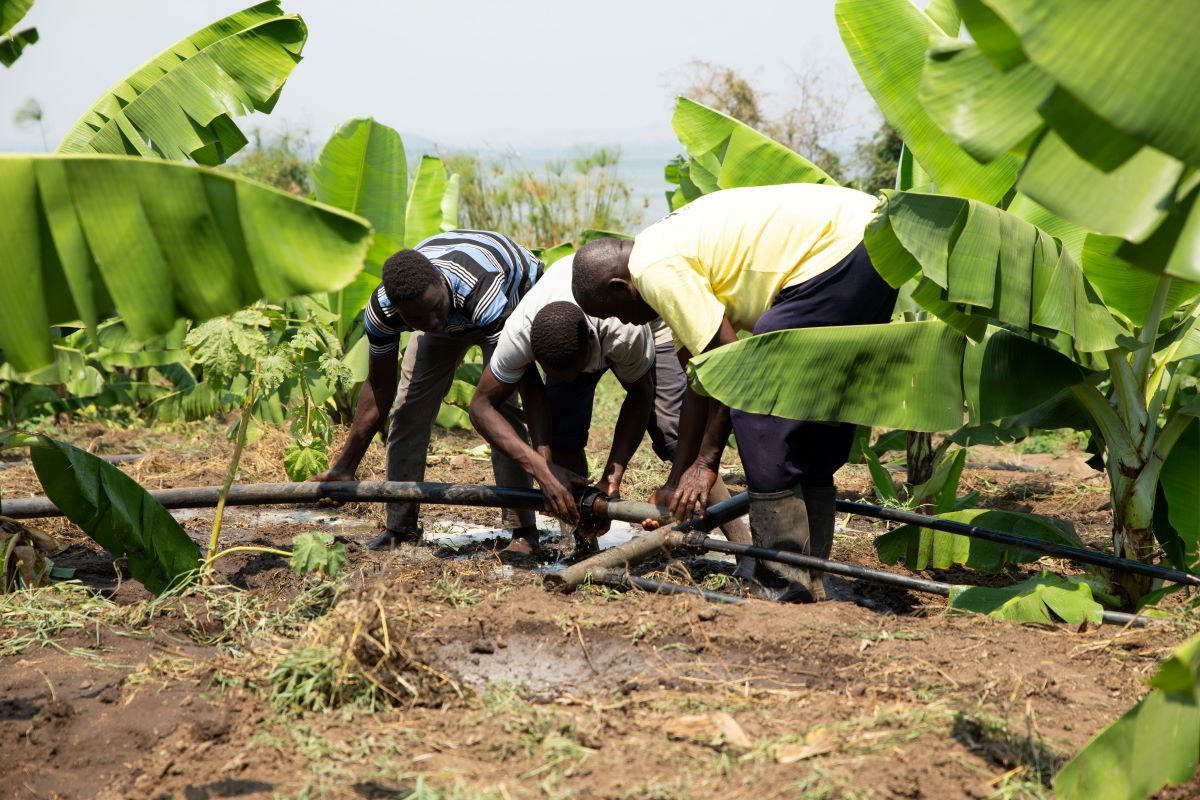
The impact investment firm(Edge)rolled out its first Acumen Resilient Agriculture Fund in 2021, raising $58 million to support African farmers’ climate and livelihood resilience. It’s back in the market with a second fund and a fundraising goal of $120 million,according toan SEC filing. Acumen is three-quarters of the way to its goal, havingsecured$90 million from the multinationalGreen Climate Fund, theFinancing for Agri-SMEs in Africafund, or FASA, international development finance institutionsFMO,Proparco,SwedfundandBIO, and an undisclosed family office. Green Climate Fund and FASA both invested as catalytic first-loss investors. The capital will be invested in businesses improving climate and economic resilience of Africa’s food systems, including those offering farmers financing for productive assets like solar-powered irrigation systems and processing equipment; supply chain optimization solutions and market connections; affordable protein; and agri-waste management. “Africa’s largest opportunity is to feed itself,” Acumen’sTamer El-RaghytoldImpactAlpha. Expanded scopeAcumen Resilient Agriculture Fund I invested between $300,000 and $4 million each in more than a dozen startups in East and West Africa. That portfolio includes Nigeria-based agri-lender and marketplaceWinich Farms, and Kenya-based solar irrigation supplierSunCulture. Acumen says the fund has impacted more than three million farmers. In addition to financial returns, “what we want to see,” says El-Raghy, is “farmers feeling dignified as a result of working with our portfolio companies. ” Fund Two expands the geographic scope of Acumen’s initial strategy to farming communities and agri-ventures in Egypt and Morocco. “This is not just about farmers and food security, it’s about meeting the basic needs of our societies,” El-Raghy said. “There’s a lot to do. ”