Alcohol Consumption Linked to 20 Health Outcomes in Nature Health Study of 843 Papers, with Cancer Risk at Any Level
A June 2026 Nature Health study by IHME analyzed 843 studies across 20 health outcomes, confirming alcohol raises cancer risk at any level while showing nuanced cardiometabolic findings.
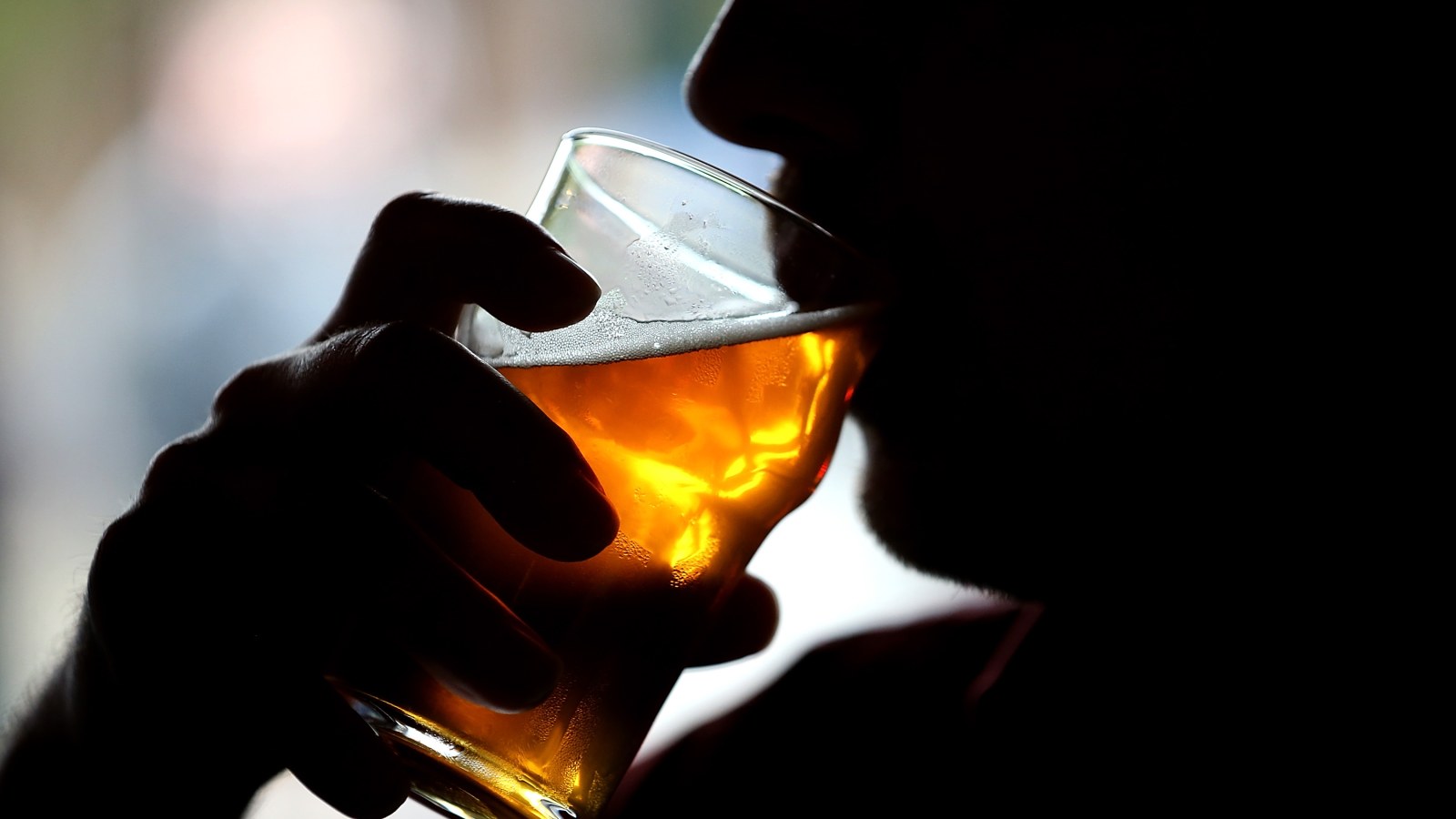
Researchers at theInstitute for Health Metrics and Evaluation (IHME)at the University of Washington have published what they describe as the most comprehensive and conservative analysis ever conducted of the relationship betweenalcohol consumptionand human health, and the findings reshape how clinicians, public health officials, and the general public should understand the risk of drinking. The study,published inNature Healthon June 1, 2026, analyzed 843 cohort and case-control studies published between 1961 and 2023 across 20 major health outcomes. The research team, led by senior author Dr. Christopher J. L. Murray and colleagues Xiangrui Dai, Sneha I. Nicholson, and collaborators at IHME and partner institutions, applied the"Burden of Proof"(BoP) meta-analytic framework — a methodologically conservative approach that calculates the smallest increase in risk that can be reliably inferred from all available evidence. The goal was to provide estimates that could not be disputed as overstated. The headline finding fromIHME's official announcement:alcohol's effects on health are not uniform — but at high levels, alcohol increases risk across all 20 outcomes examined. For cancers specifically, risk rises steadily with consumption at every level, including below one standard drink per day. The 20 Health Outcomes — and What Each One ShowsTheNature Healthstudyfound consistent, increasing risk across an extensive list of cancers: breast cancer, colorectal cancer, esophageal cancer, laryngeal cancer, lip and oral cavity cancers, pharyngeal cancer, liver cancer, stomach cancer, pancreatic cancer, and prostate cancer, ten cancer types in all. The study also found elevated risk for pancreatitis, cirrhosis, and other chronic liver diseases, lower respiratory infections, tuberculosis, and atrial fibrillation and flutter — all showing monotonically increasing risk with higher consumption. The picture was more nuanced for several cardiometabolic and neurological conditions. The study found J- or U-shaped dose-response relationships between alcohol and type 2 diabetes, Alzheimer's disease and other dementias, ischemic heart disease, ischemic stroke, and hemorrhagic stroke. This means low-to-moderate alcohol intake was associated in observational data with modestly lower risk for these conditions compared to abstinence, a finding that has historically been interpreted as a potential"protective effect"of moderate drinking. However, the study authors are explicit: even if these associations are real, they apply only at low-to-moderate levels, disappear entirely at high consumption, and do not change the cancer risk finding, meaningthere is no consumption level at which the cardiometabolic benefits, if real, outweigh the cancer risk for most individuals. As IHME stated directly:"Even consumption below one standard drink per day was associated with elevated risk for cancers of the pharynx, colorectum, esophagus, breast, liver, pancreas, and prostate. "The evidence does not support a single universal safe threshold. Alcohol and 20 Health Outcomes SummaryFindingCancers (10 types)Risk rises monotonically at ALL levels, including below 1 drink/dayPancreatitis; cirrhosis and chronic liver diseaseMonotonically increasing risk with consumptionLower respiratory infections; tuberculosisElevated risk with drinkingAtrial fibrillation and flutterElevated risk with drinkingType 2 diabetes; Alzheimer's disease; ischemic heart disease; strokeJ- or U-shaped: possible modest low-level benefit, disappears at high consumptionHigh consumptionUniformly harmful across ALL 20 outcomesSafe threshold for cancerNone identified at any levelEvidence base843 studies analyzed; 16 systematic reviewsContext: What Major Health Authorities Already Say — and Why This Study MattersThe IHMENature Healthstudy does not stand alone. It arrives in a public health environment where multiple major authorities have already moved toward the"no safe amount"position on alcohol:The World Health Organization stated in its landmark Lancet Public Health statement:"It doesn't matter how much you drink — the risk to the drinker's health starts from the first drop of any alcoholic beverage. "Alcohol is classified as a Group 1 carcinogen by the International Agency for Research on Cancer — the same category as asbestos, radiation, and tobacco — and is causally linked to at least seven types of cancer. The U. S. Surgeon General's January 2025 Advisory Report on Alcohol and Cancer, issued by then-Surgeon General Vivek Murthy, stated that even low levels of alcohol intake increase the risk of at least seven types of cancer, estimating that alcohol accounts for over 100,000 cancer cases and 20,000 cancer deaths annually in the United States. The Advisory called for enhanced public awareness and updated warning labels on alcoholic beverages — labels that have not yet been updated since the current label text was set in 1988. A separate June 2026 study, published June 8, 2026, in theJournal of Studies on Alcohol and Drugsand led by Columbia University Mailman School of Public Health researcher Katherine Keyes, concluded that"even one drink a day increases health risks"and that"no amount of alcohol can protect against premature death. "Study co-author Keyes stated the research provides"the most comprehensive U. S. estimates to date of lifetime risks of alcohol-attributable mortality and morbidity, showing that even moderate levels of consumption increase the risk of premature death and disability. "Despite this convergent evidence, public health messaging about alcohol has remained far weaker than anti-tobacco campaigns. Warning labels on alcohol in the United States have not been updated since 1988. Healthline reporting on the IHME studynoted that while the CDC defines moderate drinking as two drinks per day for males and one drink per day for females, the WHO states that no safe amount of alcohol is safe for health — a contradiction that leaves consumers with conflicting signals from the federal government itself. Frequently Asked QuestionsWhat did the Nature Health alcohol study find?AJune 2026 study inNature Healthby IHME analyzed 843 studies across 20 health outcomes using a conservative Burden of Proof framework. It found that alcohol raises cancer risk at every level of consumption, including below one drink per day, and is uniformly harmful across all 20 outcomes at high consumption levels. For several cardiometabolic conditions, low-to-moderate drinking shows possible modest benefit in observational data, but not enough to outweigh cancer risk. Which cancers are linked to any amount of alcohol?The study identified elevated cancer risk at even low consumption levelsfor cancers of the pharynx, colorectum, esophagus, breast, liver, pancreas, and prostate. At higher consumption, risk rises for these, plus laryngeal, oral cavity, stomach, and other cancers. Does moderate alcohol have heart health benefits?TheNature Healthstudy found J- or U-shaped relationships between low-to-moderate alcohol and ischemic heart disease, type 2 diabetes, Alzheimer's disease, and stroke in observational data, suggesting possible modest benefits at low consumption. However, these associations do not offset cancer risk, disappear at higher consumption, and may reflect confounding in observational studies rather than a true causal benefit. What does the Surgeon General say about alcohol and cancer?The January 2025 U. S. Surgeon General's Advisory stated that alcohol increases the risk of at least seven types of cancer and accounts for over 100,000 cancer cases and 20,000 cancer deaths annually in the U. S. The Advisory called for updated warning labels on alcoholic beverages. How should I change my drinking based on this research?The evidence consistently shows that less is better from a cancer risk standpoint, and that high consumption is harmful across virtually all health outcomes. Decisions about drinking should be made in consultation with a physician who can weigh individual risk factors. TheWHO recommendsavoiding alcohol entirely for optimal health outcomes.