Another African nation set to receive United States deportees
A controversial bilateral agreement will see up to 1 200 third-country deportees from the United States resettled in Liberia within a year, with the first batch of 20 individuals scheduled to land on. . .
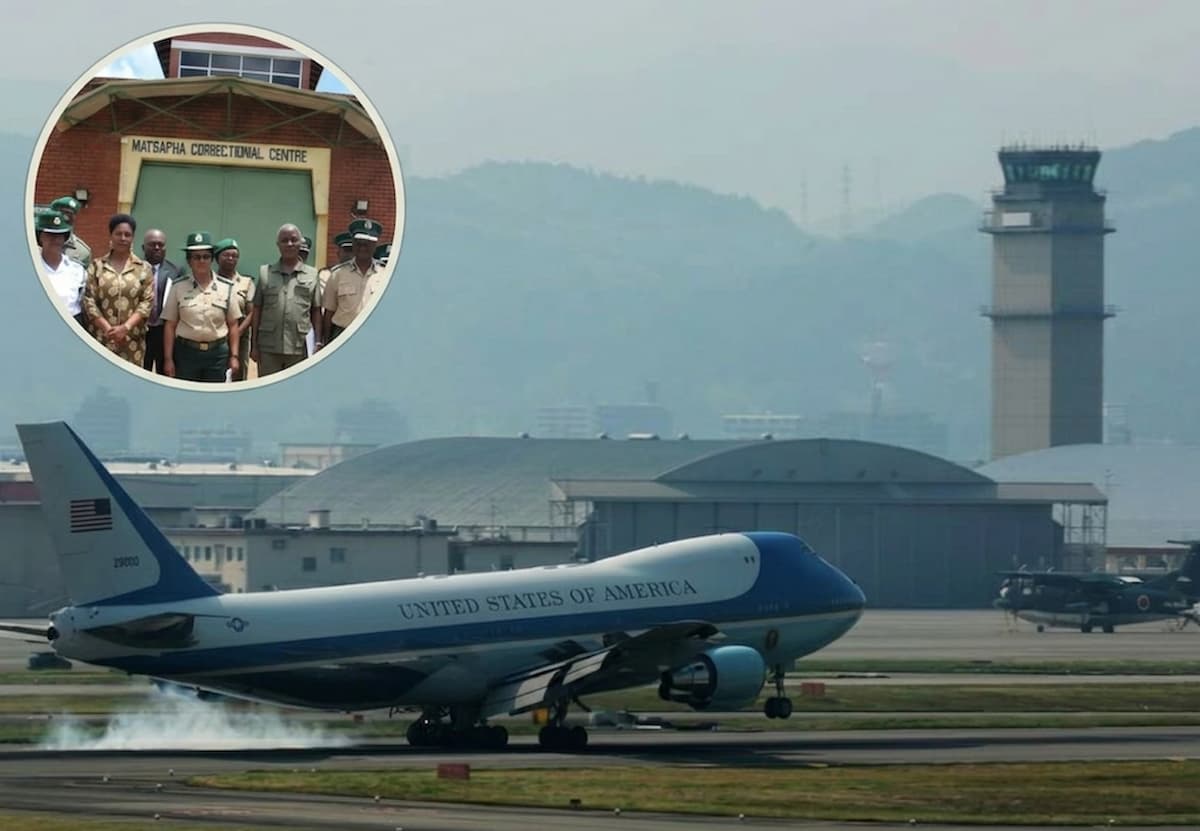
A controversial bilateral agreement will see up to 1 200 third-country deportees from the United States resettled in Liberia within a year, with the first batch of 20 individuals scheduled to land on Thursday, 20 August 2026 at Roberts International Airport. This transfer, which includes citizens from African and Western hemisphere nations, is one of the largest offshore deals executed under the Donald Trump administration’s global migration crackdown. Liberia’s Information Minister Jerolinmek Piah announced the arrivals in Monrovia on Tuesday, 18 August 2026. The Government of Liberia has announced that the first group of individuals transferred from the United States under a new humanitarian arrangement is scheduled to arrive this Thursday, August 20, 2026pic. twitter. com/WMDrjFrxJM— FrontPageAfrica (@FPAfrica)August 18, 2026“The government wants to emphasise that those being brought to Liberia are not criminals and are not being prosecuted in any manner under United States or Liberian law,” the Liberian government said in a statement. Liberia deal with United StatesThe bilateral deal, kept quiet since its signing in September 2025, has drawn immediate attention. Under the arrangement, Liberia will receive support from the United States to manage the programme, with deportees medically authorised to travel and free to seek asylum upon arrival. The United States has sent approximately 22 000 people to 26 countries they did not originate from as of early August 2026, under 35 similar third-country arrangements. Defending the deal’s humanitarian framing, Piah explained: “Those being brought to Liberia are being received as guests of the Republic… and shall remain free to depart the country when they so desire. ”Despite Monrovia’s welcoming tone, the programme faces fierce resistance and legal challenges in the United States. Many deportees hold legal protection orders from American courts preventing their return to home countries due to credible fears of persecution. Activists argue the United States uses these agreements as a legal loophole to bypass domestic deportation barriers. Speaking toAP News, American attorney Erica Reilly – who represents a deported Nigerian man – criticised the policy. “Our government is just saying, ‘What happens to them after they leave the United States is not our problem’,” Reilly said. Similar arrangements exist with other African nations, including Sierra Leone, which received a US government grant of $1. 5 million (R25. 4 million). While Liberian officials deny receiving direct compensation, the country signed a landmark five-year $124 million (R2. 1 billion) healthcare cooperation agreement with Washington in December 2025. This funding was closely linked to Liberia’s agreement to accept Kilmar Abrego Garcia, an El Salvador native whose high-profile deportation case sparked national outrage. Congo also signed a similar deal in April 2026 to accept third-country deportees. South Africa concerned after Eswatini dealThis trend has sparked majorsecurity anxietiescloser to home in Southern Africa. Under a secretive $5. 1 million (R86. 2 million) agreement, South Africa’s landlocked neighbour, Eswatini, has accepted at least 29 deportees. The US Department of Homeland Security previously described some of these individuals as “uniquely barbaric” criminals convicted of severe offences, including child rape and murder, currently held atMatsapha Correctional Centre. South Africa’s Department of International Relations and Cooperation expressed deep concern over the security threat, warning that Eswatini’s porous borders could allow high-risk individuals to cross illegally into South Africa. Opposition party Pudemo branded Eswatini’s deal as “human trafficking disguised as a deportation deal”, while acting Eswatini spokesperson Thabile Mdluli defended the programme, though the kingdom has alreadyrepatriated four deportees, including Mauritanian and Congolese nationals. Historically founded in 1847 as a safe haven for freed slaves from the United States, Liberiadefendedits decision as an extension of its proud humanitarian tradition.