Aucamp: Red meat industry could unlock R2bn for emerging farmers - Inside Politics
By Lebone Rodah Mosima Agriculture Minister Willie Aucamp says the red meat industry could generate more than R2 billion in additional income for emerging farmers if the sector is fully commercialised and its sales rate increased. Aucamp was delivering the opening keynote address at the Red Meat Producers Organisation (RPO) Conference at The Capital Menlyn […]
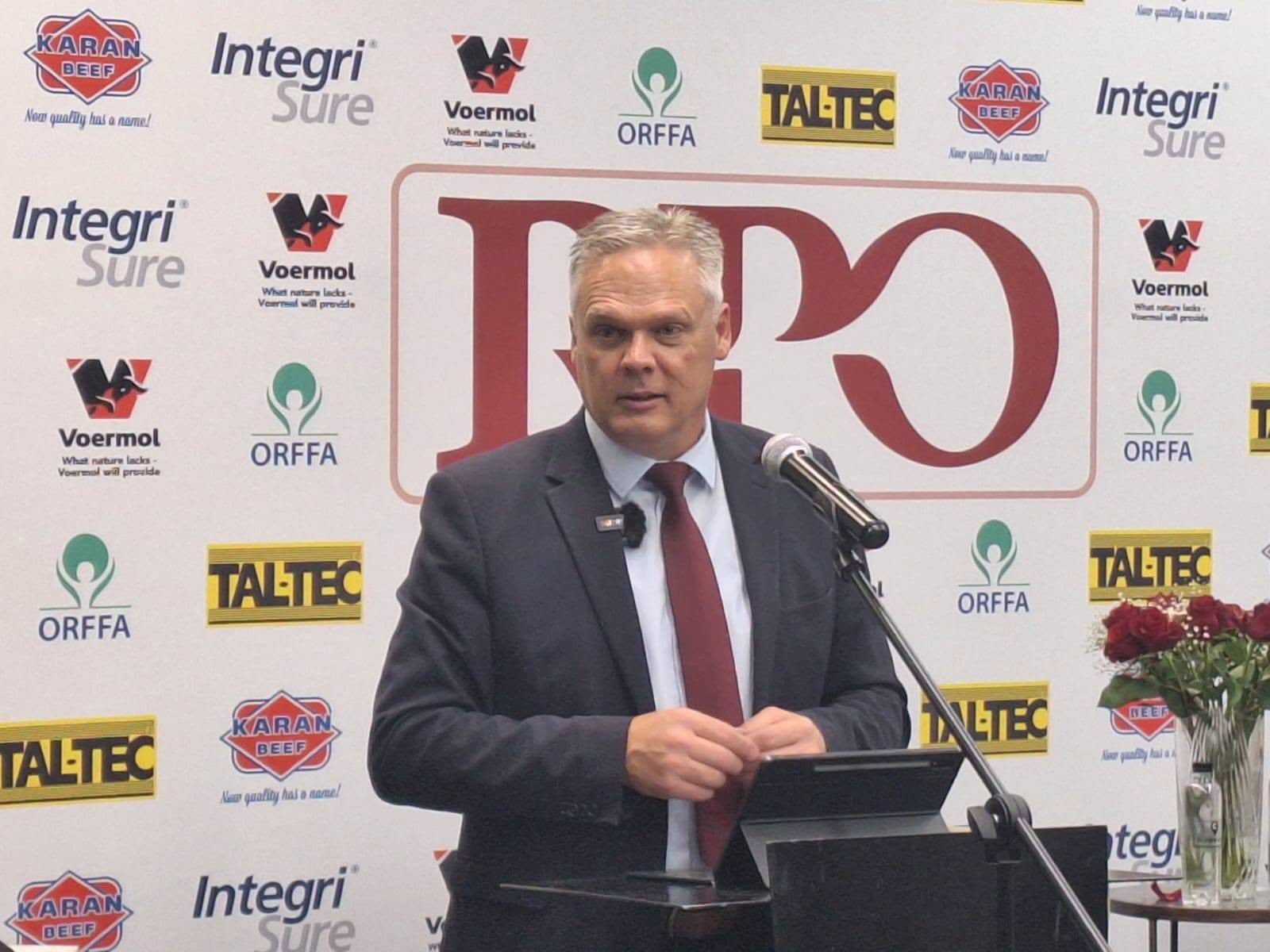
R2 billion in additional income for emerging farmers if the sector is fully commercialised and its sales rate increased. Aucamp was delivering the opening keynote address at the Red Meat Producers Organisation (RPO) Conference at The Capital Menlyn Maine in Pretoria on Thursday. “When I look around this room today, I do not only see farmers and businessmen. I see the backbone of South Africa’s food security,” Aucamp said. “I see people who get up every day to ensure that there is food on our tables, despite each challenge nature or the economy throws your way. ”Speaking under the conference theme, “Future-proof your business”, Aucamp said the message aligned with a Bureau for Food and Agricultural Policy report presented a day earlier. He said the report focuses on long-term strategy up to 2050, including balancing export growth with sustainable food security. Aucamp said the sector could not afford to be reactive if it wanted to survive and grow, commending the RPO for leading efforts to build resilience against future challenges. He said the organisation’s leadership was of “immeasurable value” to the agricultural sector. Aucamp said animal production contributes about 42% to the gross value of South Africa’s agricultural output, the highest of all agricultural subsectors. “The red meat industry is the main driving force within this massive share,” he said. “Your work is not only important for the economy; it is crucial for the survival and wellbeing of our total population. Just think of all the job opportunities you create. ”He said the Department of Agriculture was committed to working with farmers to create a regulatory environment that enabled them to run their businesses effectively. Aucamp said regulations were often viewed as red tape or government measures designed to hinder farmers, but his department viewed them differently. “We see things differently in my department. Regulations are there to protect you. They are there to ensure a productive environment in which you can do business safely,” he said. “We are talking about critical matters here such as land tenure security and of course also biosecurity. ”He said the department’s regulatory framework was designed to ensure farmers had access to safe veterinary medicines and could effectively manage diseases, pests and pesticides to improve productivity. Aucamp said regulations were also necessary to prevent farmers who neglected their responsibilities from putting neighbouring farmers’ livelihoods at risk through uncontrolled disease and vermin outbreaks. He said emerging farmers owned more than 40% of South Africa’s livestock, according to the RPO. However, cattle were often viewed as a “bank” in communal and emerging farming sectors — a store of wealth rather than an active source of income. “The average annual sales rate in the commercial sector is between 25% and 30%. However, for the communal sector, it is currently only between 2% and 5%,” he said. “Just think what that could mean for rural development and transformation!”Aucamp said farmers also needed to be realistic about the challenges facing emerging producers, citing research showing that 40% of emerging red meat farmers lacked access to technical services. He said 78% had never used credit facilities, while only half of respondents had completed primary education. “This is precisely where my Office and the department must intervene. We must ensure that the emerging sector receive the necessary technical and regulatory support,” he said. “We cannot build a future-proof industry if half of our farmers are left behind. We protect and strengthen the whole red meat ecosystem by uplifting them. ”On market access, Aucamp said future-proofing the industry also required diversifying export markets. He said the department continued to open new markets and maintain existing ones for South African red meat through negotiations on export protocols. “I know these protocols can sometimes be extremely strict and challenging, but this is the price of access to the global stage,” he said. “These protocols give importing countries the minimum assurance that our produce are of the highest quality and disease-free. It builds trust in the ‘Brand South Africa’ when it comes to red meat. ”Despite challenges including biosecurity, infrastructure and economic pressures, Aucamp said the industry could overcome them through collaboration between commercial farmers, emerging farmers, the RPO and the Department of Agriculture. He said establishing the right regulatory environment, expanding technical services and opening new markets would help future-proof the red meat industry and secure its growth for generations to come. INSIDE POLITICS