Australia Reports Significant Shift in Plant Flowering Times Due to Climate Change
Australia is witnessing a significant shift in plant flowering times, with many species blooming earlier than in previous decades. This change is attributed to rising temperatures and changing weather. . .
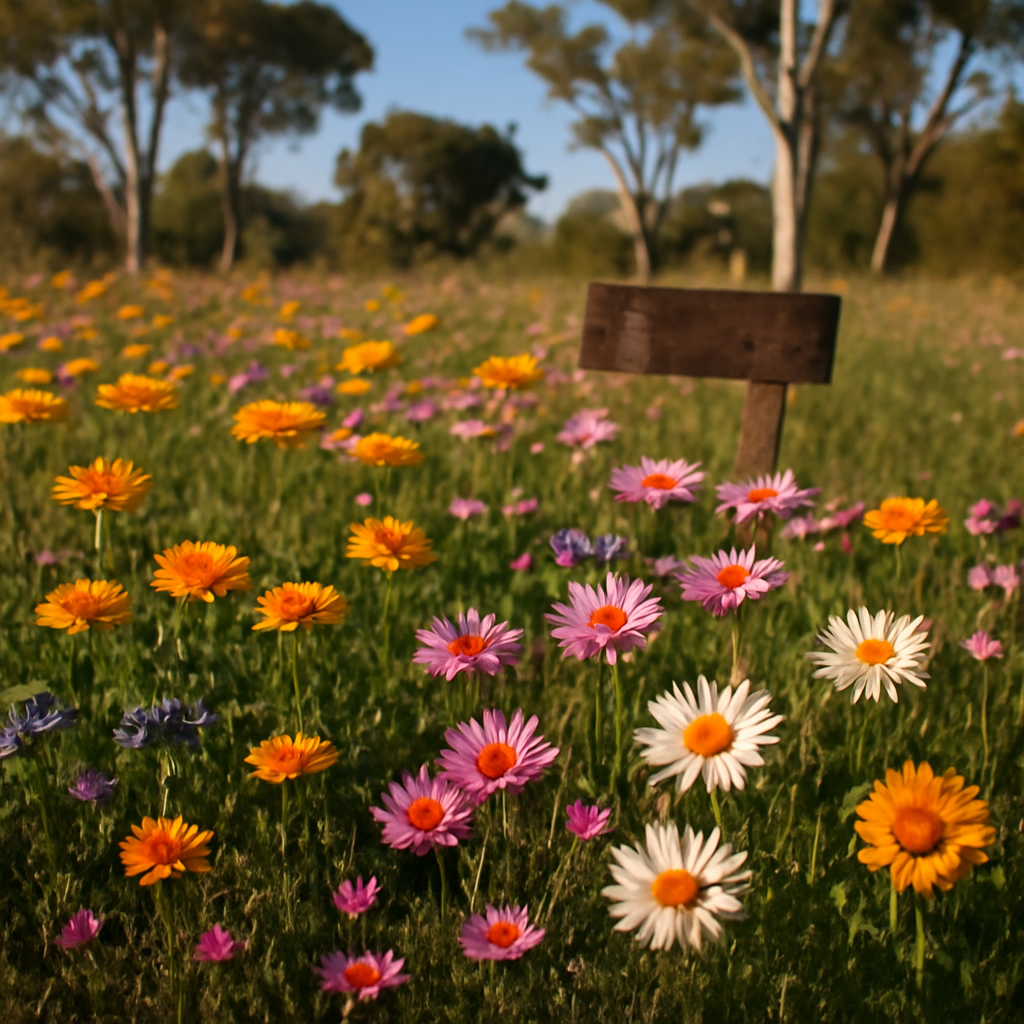
Australia is witnessing a significant shift in plant flowering times, with many species blooming earlier than in previous decades. This change is attributed to rising temperatures and changing weather patterns caused by climate change. The implications of these shifts are profound, affecting ecosystems and agricultural practices across the continent. Context of Flowering Time ShiftsHistorically, flowering times have been closely linked to seasonal changes. For many plants, the timing of flowering is crucial for pollination and fruiting, which in turn impacts local wildlife and agricultural yields. According to astudy published in Nature, flowering times in Australia have advanced by an average of 1. 7 days per decade over the past century. The rise in average temperatures has accelerated this trend, with plants responding to warmer winters and earlier springs. Such changes can disrupt the synchrony between plants and their pollinators, posing risks to biodiversity. shifts in flowering can affect local agriculture, as crop timings may no longer align with optimal growing conditions. New Findings on Plant BehaviorRecent research indicates that more than 60% of Australian native plants are now flowering earlier than they did in the 20th century. Notable species like theEucalyptusandAcaciaare showing significant changes, as reported byCarbon Brief. This shift poses challenges for pollinators like bees, which may not be able to adapt quickly enough to the changing availability of flowers. In urban areas, gardens and public parks are also reflecting these changes, with flowering species blooming out of sync with traditional seasonal patterns. This dissonance could lead to reduced pollinator populations, further impacting food production and local ecosystems. Broader Implications for Ecosystems and AgricultureThe shift in flowering times signals broader ecological changes that could have cascading effects across ecosystems. As species adapt to new conditions, some may thrive while others may struggle or decline. This can lead to changes in species composition and interactions within ecosystems. For agriculture, altered flowering times can disrupt crop cycles, potentially leading to reduced yields and increased pest pressures. Farmers may need to adjust planting and harvesting schedules, which could have economic implications and affect food security. What to Watch for NextMoving forward, researchers will be closely monitoring these trends to understand their long-term impacts. Key questions include how different plant species will adapt to these changes and what measures can be taken to mitigate negative effects on ecosystems and agriculture. Policy responses will be critical as well. Increased focus on climate adaptation strategies may be necessary to support both natural ecosystems and farming communities facing these unprecedented shifts. Frequently asked questionsWhat are the main findings about plant flowering times in Australia?Plants in Australia are flowering earlier due to rising temperatures, with over 60% of native species showing this trend. How does climate change affect flowering times?Climate change leads to warmer winters and earlier springs, prompting plants to bloom ahead of their traditional schedules. What are the implications for agriculture?Altered flowering times can disrupt crop cycles, affecting yields and food security as farmers may need to adjust planting schedules. Why is this trend significant?The shift in flowering times impacts pollinators and ecosystems, potentially leading to biodiversity loss and altered agricultural practices. Dr. Emily Greenfield is a highly accomplished environmentalist with over 30 years of experience in writing, reviewing, and publishing content on various environmental topics. Hailing from the United States, she has dedicated her career to raising awareness about environmental issues and promoting sustainable practices. View all posts