Australia’s Seagrass Meadows Face Climate Change Threats Amid Heat
Australia’s seagrass meadows are rapidly declining under the pressure of climate change, with rising temperatures threatening these crucial ecosystems. This article explores the current state of seagrasses,. . .
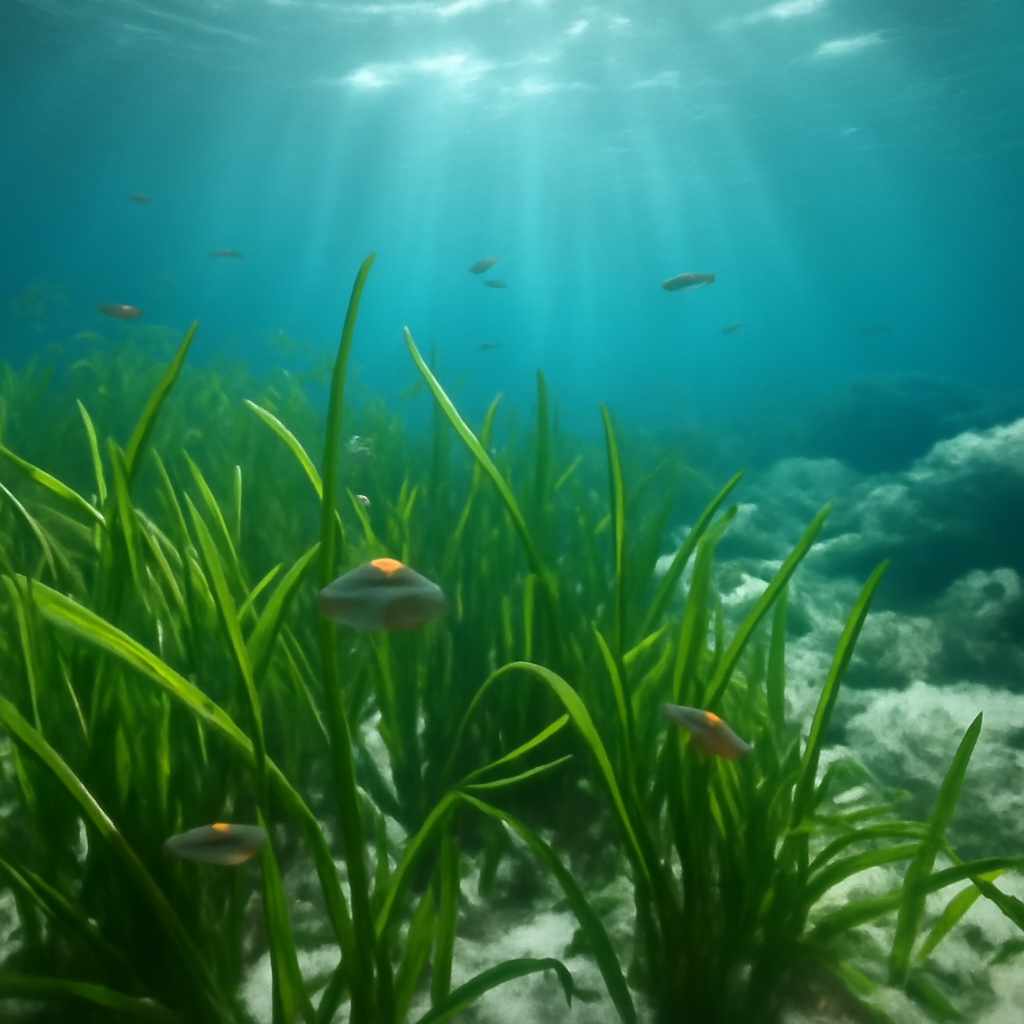
Australia’s seagrass meadows are rapidly declining under the pressure of climate change, with rising temperatures threatening these crucial ecosystems. This article explores the current state of seagrasses, their ecological importance, and the urgent need for conservation efforts. The Hidden Importance of Seagrass MeadowsWhile Australia is famous for the Great Barrier Reef, its vast seagrass meadows often go unnoticed. These underwater plants play a critical role in carbon sequestration, habitat provision for marine life, and coastal erosion prevention. According to theIUCN, seagrasses can sequester carbon at rates higher than most terrestrial forests, making their preservation vital in the fight against climate change. Seagrasses are also essential for marine species, serving as nurseries for fish and providing food for various organisms. Emma Jackson, director of the Coastal Marine Ecosystems Research Centre at Central Queensland University, emphasizes that the lack of public awareness about seagrass leads to insufficient conservation efforts. Climate Change Impacts on Seagrass SurvivalRecent research indicates that rising sea temperatures are having a devastating effect on Australia’s seagrass meadows. As reported bynews. mongabay. com, scientists have observed significant declines in seagrass coverage, with some areas losing up to 50% of their biomass in recent years. This decline is not only a loss of biodiversity but also diminishes the meadows’ capacity to capture carbon. Warming waters have led to increased stress on these ecosystems, making them more susceptible to diseases and invasive species. Jackson noted that without immediate action, these vital habitats may face irreversible damage. Broader Implications of Seagrass DeclineThe decline of seagrass meadows signals broader environmental issues that affect coastal resilience and marine biodiversity. As these ecosystems deteriorate, the associated loss of biodiversity can disrupt marine food webs, leading to declines in fish populations that many communities rely on. Additionally, the reduction in seagrass coverage increases coastal erosion, putting shorelines at greater risk from storms and rising sea levels. This situation highlights the urgent need for policy frameworks that prioritize marine conservation and climate action. Effective management strategies are essential to protect these habitats, emphasizing the importance of integrating seagrass conservation into broader environmental policies. Future Directions for Conservation EffortsLooking ahead, it will be crucial to monitor the health of seagrass meadows and implement conservation measures. Governments and organizations must collaborate on restoration projects and effective management practices to safeguard these ecosystems. Upcoming initiatives may include planting new seagrass and establishing protected areas that can help buffer against climate impacts. As climate change continues to pose threats, the survival of Australia’s seagrass meadows will depend on immediate and sustained conservation efforts. Frequently asked questionsWhat are seagrass meadows?Seagrass meadows are underwater ecosystems formed by flowering plants that grow in marine environments. They provide critical habitats for marine life and help with carbon sequestration. Why are seagrass meadows important?Seagrass meadows are vital for biodiversity, serving as nurseries for fish and providing food for various marine species. They also help protect coastlines from erosion and mitigate climate change by sequestering carbon. What threatens seagrass meadows in Australia?Rising sea temperatures due to climate change, as well as increased nutrient runoff and pollution, are major threats to seagrass meadows in Australia. What can be done to protect seagrass meadows?Conservation efforts should focus on restoring damaged meadows, implementing protective policies, and reducing pollution and nutrient runoff to enhance the resilience of seagrass ecosystems. Dr. Emily Greenfield is a highly accomplished environmentalist with over 30 years of experience in writing, reviewing, and publishing content on various environmental topics. Hailing from the United States, she has dedicated her career to raising awareness about environmental issues and promoting sustainable practices. View all posts