Burnham under pressure to 'end the madness' and approve North Sea gas - London Business News | Londonlovesbusiness. com
Andy Burnham is facing an early test of his energy strategy as ministers consider whether to allow development of two North Sea fields, forcing the government to reconcile its net zero commitments with. . .
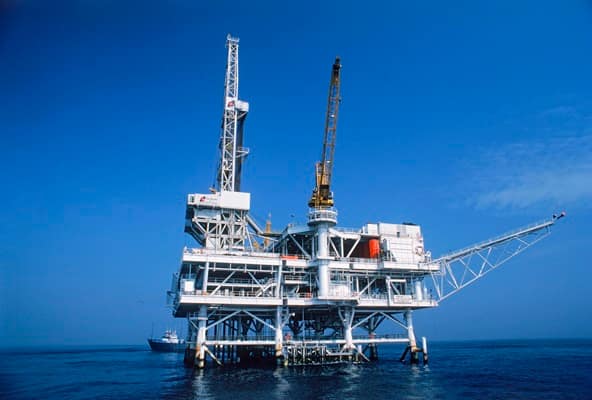
Andy Burnham is facing an early test of his energy strategy as ministers consider whether to allow development of two North Sea fields, forcing the government to reconcile its net zero commitments with concerns over energy security, jobs and the cost of imported gas. The consultation on the Jackdaw gasfield, about 150 miles east of Aberdeen, closes on Monday. A separate consultation on Rosebank, the UK’s largest untapped oilfield, closes next week. Both projects were approved beforeLabour took office and imposed a banon new oil and gas exploration licences, but work has been suspended following legal challenges centred on their climate impact. Supporters argue Jackdaw could supply more than 6 per cent of UKgas demandat peak production, equivalent to the annual heating needs of about 1. 4mn homes. They say declining domestic output means rejecting the project would simply increase Britain’s dependence on imported gas. Russell Borthwick, chief executive of Aberdeen & Grampian Chamber of Commerce, described the case for approval as “overwhelming”, arguing that domestic production would support employment andinvestment in Scotland’s offshore economywhile providing additional revenue for the Treasury. David Whitehouse, chief executive of Offshore Energies UK, has also argued that producing gas domestically can have a lower emissions footprint than importing liquefied natural gas. Jackdaw, he said, would be among the lowest-emission fields globally. The argument has gained political backing from unions, opposition politicians andDonald Trump, who has pressed Britain to make greater use of its North Sea resources. But the projects have exposed tensions within Labour. Environmental campaigners argue that approving new fossil fuel developments would undermine the government’s climate commitments and divert investment fromrenewable energy. Green party leaderZack Polanskicalled approval of Jackdaw and Rosebank a “dereliction of duty”. Burnham has attempted to avoid a binary position. He has pledged a “pragmatic approach” toNorth Sea oil and gas, arguing that Britain cannot ignore domestic resources while households remain under pressure. Energy secretary Miatta Fahnbuller has adopted similar language after visiting Aberdeen, where the industryremains economicallysignificant. The decisions will therefore carry implications beyond two individual fields. Approval would signal that Labour is prepared to retain a role for domestic hydrocarbons during the energy transition. Rejection would reinforce the government’s shift towards a predominantly low-carbon system, but potentially deepen concerns over supply,industrial jobsand import dependence. For Burnham, the question is no longer simply whether Britain should drill. It is whetherLabour can convince voters that its energytransition can deliver security and affordability without sacrificing its climate ambitions. Leave a Comment