Businesses brace for prolonged unrest in South Africa
Xenophobic unrest in South Africa has become a painful cost of doing business, executives warned, signalling that companies are bracing for prolonged instability in a country eager to draw fresh. . .
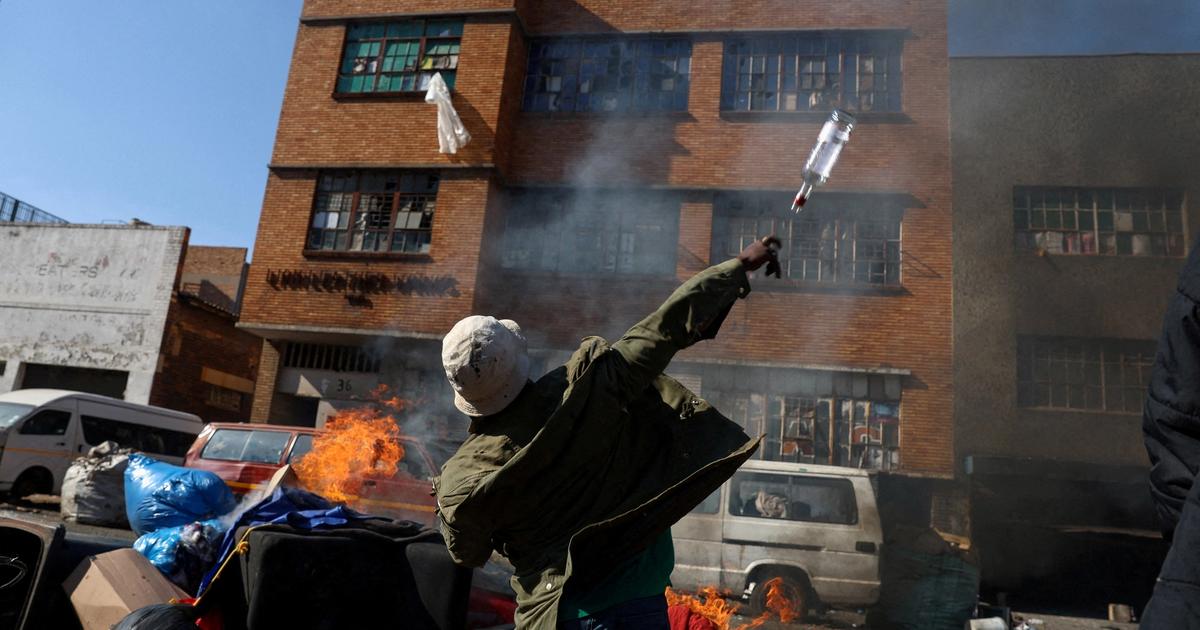
Xenophobic unrest in South Africa has become a painful cost of doing business, executives warned, signalling that companies are bracing for prolonged instability in a country eager to draw fresh investment. Just over a week aftermass protestsfroze parts of Johannesburg, Durban and Pretoria — shuttering retail districts and triggering emergency security protocols — executives say the threat of renewed disruption has soured boardroom sentiment in an economy already grappling with the world’s highest unemployment rate, collapsing municipal services, and intensifying political agitation. Economists say an exodus of foreign workers, which anti-migrant protesters are demanding, will triggerlabor shortages and economic blowback, ultimately harming local businesses and informal markets that activists say they want to protect. Sim Tshabalala, chief executive of Standard Bank Group, linked the instability to institutional failures, warning that xenophobia is an economic and geopolitical liability. Stronger border management and a rational migration system would have delivered “significantly faster growth and much lower unemployment,” Tshabalala told reporters last week. “Our collective folly and ineptitude on migration have lost us the moral high ground in Africa, making it harder for South African businesses to trade in the rest of our continent,” he said. For companies that move goods along the N3 corridor — the Durban port to Gauteng industrial belt that carries hundreds of millions of dollars in exports and domestic freight each day — contingency planning is already adding millions of dollars to operating budgets and shaving margins in an economy still struggling to regain momentum. “We are pricing for the possibility that some days will be constrained,” said a senior logistics executive who declined to be named because of contractual sensitivities. “That changes how we run the business. ”Gavin Kelly, chief executive of the Road Freight Association, warned that apromise from organizersto hold weekly marches until their demands are met has left the sector bracing for further disruption. “That is of concern as this can only lead to a heightened risk of violence should the demands/expectations not be met,” he said. Since last week’s rallies, organizers have begun acting asvigilante labor inspectors— entering factories to check for foreign workers, forcing meetings with managers and shutting down spaza shops, or informal convenience stores, they claim employ migrants. Iqbal Ismail, chairperson of the eThekwini Clothing and Leather Association, said that clothing factories in the garment manufacturing hub of Newcastle are alreadyshutting down operations. “Our sector will 100% collapse if migrants suddenly disappear from our factories,” said Ismail, who employs 150 workers, only 30 of whom are South African.