China conducts long-range missile test in Pacific Ocean, U. S. official expresses concern
Skip to ContentSubscribeOur OffersMy AccountManage My SubscriptionsFAQNewslettersCanadaCanadian True CrimeCanadian PoliticsHealthWorldIsrael & Middle EastFinancial PostNP. . .
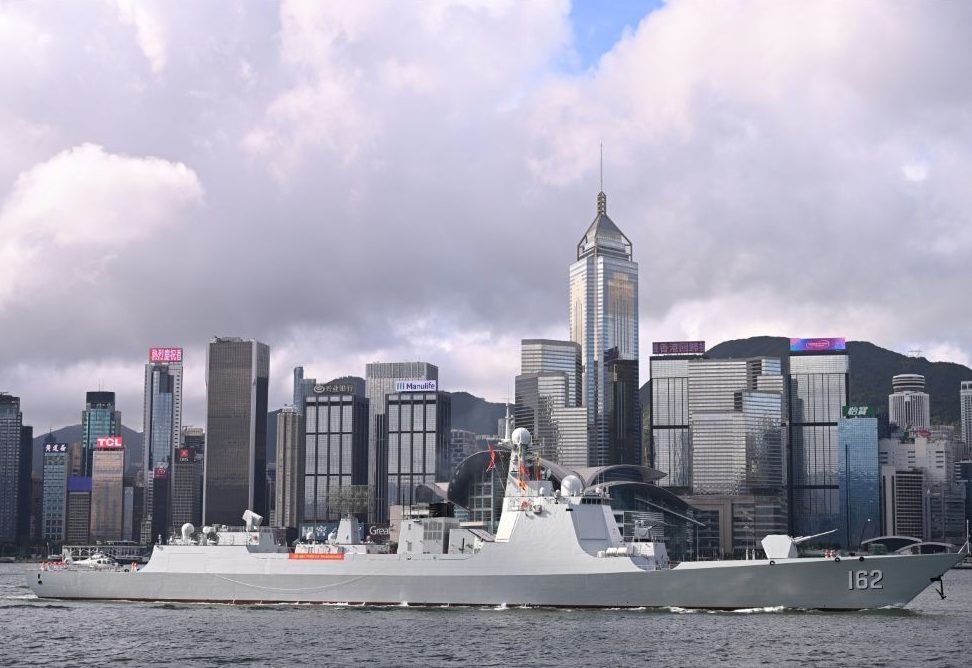
Skip to ContentSubscribeOur OffersMy AccountManage My SubscriptionsFAQNewslettersCanadaCanadian True CrimeCanadian PoliticsHealthWorldIsrael & Middle EastFinancial PostNP CommentLongreadsPuzzmoDiversionsComicsNP News QuizNew York Times CrosswordHoroscopesLifeEating & DrinkingStyleSponsoredPlay for OntarioTravelTravel CanadaTravel USATravel InternationalCruisesTravel EssentialsCultureBooksCelebrityMoviesMusicTheatreTelevisionBusiness EssentialsAdviceLives ToldTails ToldShoppingBuy CanadianHome LivingOutdoor LivingKitchen & DiningTechStyle & BeautyPersonal CareEntertainment & HobbiesGift GuideTravel GuideAmazon Prime DayDealsSavingsNational Post StoreMoreSportsHockeyBaseballBasketballFootballSoccerGolfTennisDrivingVehicle ResearchReviewsNewsGear GuideObituariesPlace an ObituaryPlace an In MemoriamClassifiedsPlace an AdCelebrationsWorkingBusiness AdsArchivesHealthingEpaperManage Print SubscriptionProfileSettingsMy SubscriptionsSaved ArticlesMy OffersNewslettersCustomer ServiceFAQNewslettersCanadaWorldFinancial PostNP CommentLongreadsPuzzmoDiversionsLifeShoppingEpaperManage Print SubscriptionHomeNewsWorldChina conducts long-range missile test in Pacific Ocean, U. S. official expresses concernChinese navy spokesperson said in a statement that the test launch was 'a routine arrangement of China's annual military training,' and that 'relevant countries were informed in advance'Author of the article:Last updated 0 minutes agoYou can save this article by registering for freehere. Orsign-inif you have an account. The Chinese People's Liberation Army Navy guided-missile destroyer Nanning (162) sails through Victoria Harbour during its arrival in Hong Kong for a five-day visit on July 2, 2026. Photo by Peter PARKS/AFP/FileThe United States voiced alarm Monday over Beijing’s nuclear program after China test-fired a dummy warhead into the Pacific Ocean, the latest move in its rapid military modernization. Enjoy the latest local, national and international news. Exclusive articles by Conrad Black, Barbara Kay and others. Plus, special edition NP Platformed and First Reading newsletters and virtual events. Unlimited online access to National Post. National Post ePaper, an electronic replica of the print edition to view on any device, share and comment on. Daily puzzles including the New York Times Crossword. Support local journalism. Enjoy the latest local, national and international news. Exclusive articles by Conrad Black, Barbara Kay and others. Plus, special edition NP Platformed and First Reading newsletters and virtual events. Unlimited online access to National Post. National Post ePaper, an electronic replica of the print edition to view on any device, share and comment on. Daily puzzles including the New York Times Crossword. Support local journalism. Create an account or sign in to continue with your reading experience. Access articles from across Canada with one account. Share your thoughts and join the conversation in the comments. Enjoy additional articles per month. Get email updates from your favourite authors. Create an account or sign in to continue with your reading experience. Access articles from across Canada with one accountShare your thoughts and join the conversation in the commentsEnjoy additional articles per monthGet email updates from your favourite authorsSign In or Create an AccountorMonday’s test came two years after China fired an intercontinental ballistic missile into the waters near French Polynesia, in what had been the first launch of such a missile over international waters in more than 40 years. Analysts said that the test demonstrated growing Chinese capacity to strike the mainland of the United States, which sees the Asian power as its top adversary despite a reconciliation drive under President Donald Trump. Get a dash of perspective along with the trending news of the day in a very readable format. By signing up you consent to receive the above newsletter from Postmedia Network Inc. A welcome email is on its way. If you don't see it, please check your junk folder. The next issue of NP Posted will soon be in your inbox. We encountered an issue signing you up. Please try again“At a time when the United States is working harder than ever to prevent nuclear proliferation, China is doing the opposite,” State Department spokesman Tommy Pigott said. “Beijing’s rapid and opaque nuclear weapons buildup is of great concern to the region and the world,” he said in a statement. The United States in February allowed the expiration of New START, the last major arms control pact with Russia, as it insisted on a new agreement that also includes China. The overtures have been rebuffed by China, whose nuclear arsenal is much smaller than Russia’s but has been rapidly growing. The State Department urged China to “engage in meaningful arms control discussions and commit to a regularized notification arrangement for all intercontinental-range ballistic missile and space launches. ”New Zealand said that the test took place two hours after China informed Pacific nations of the missile launch, but it was unclear if China gave notice to the United States. Chinese navy spokesperson Wang Xuemeng said in a statement shared on WeChat that the test launch was “a routine arrangement of China’s annual military training,” and that “relevant countries were informed in advance. ”Power struggle in the PacificMonitors said that the rocket fired from a nuclear submarine appeared to land near the Solomon Islands, the South Pacific nation that forged a secretive security deal with China in 2022, which a new government is reviewing. Lyle Morris, a senior fellow at the Asia Society Policy Institute, said that the missile demonstrated that China had growing options beyond firing from land. “A test of this length is a major development and would indicate that China is moving toward a significantly more survivable and longer-range sea-based nuclear deterrent capability,” he said. It shows that China’s navy “is capable of targeting the continental United States from bastions close to Chinese waters. ”The show of Chinese military might came the same day that Australia and Fiji signed a major defence treaty, part of U. S. ally Canberra’s efforts to regain the advantage against China following the controversial Solomon Islands treaty. Analysts, however, doubted a direct connection, saying that such tests are likely planned well in advance. Australian Foreign Minister Penny Wong said that the Chinese test was “destabilizing to the region. ”Japan, which said it was informed in advance of the launch, said it had strongly urged China to reconsider and voiced “serious concerns” over Beijing’s growing military activity. The relationship between Beijing and Tokyo has become more turbulent since Japanese Prime Minister Sanae Takaichi suggested in November that a potential future attack on Taiwan — the self-ruled island claimed by China — could warrant Japanese military involvement. Russia, a Chinese ally, defended Beijing’s test-firing as its “sovereign right” and said that China “is not threatening anyone in the world. ”Our website is the place for the latest breaking news, exclusive scoops, longreads and provocative commentary. Please bookmarknationalpost. comand sign up for our newslettershere. Join the ConversationThis website uses cookies to personalize your content (including ads), and allows us to analyze our traffic. Read more aboutcookies here. By continuing to use our site, you agree to ourTerms of UseandPrivacy Policy.