China connected 120 giant magnetic spinning tops that float using magnetic levitation and release electricity simply by slowing down
China is showing how tostabilize grids without chemical batteriesusing magnetic spinning technology. Renewable energy capacity is rapidly expanding to meet growing electricity demand while keeping carbon. . .
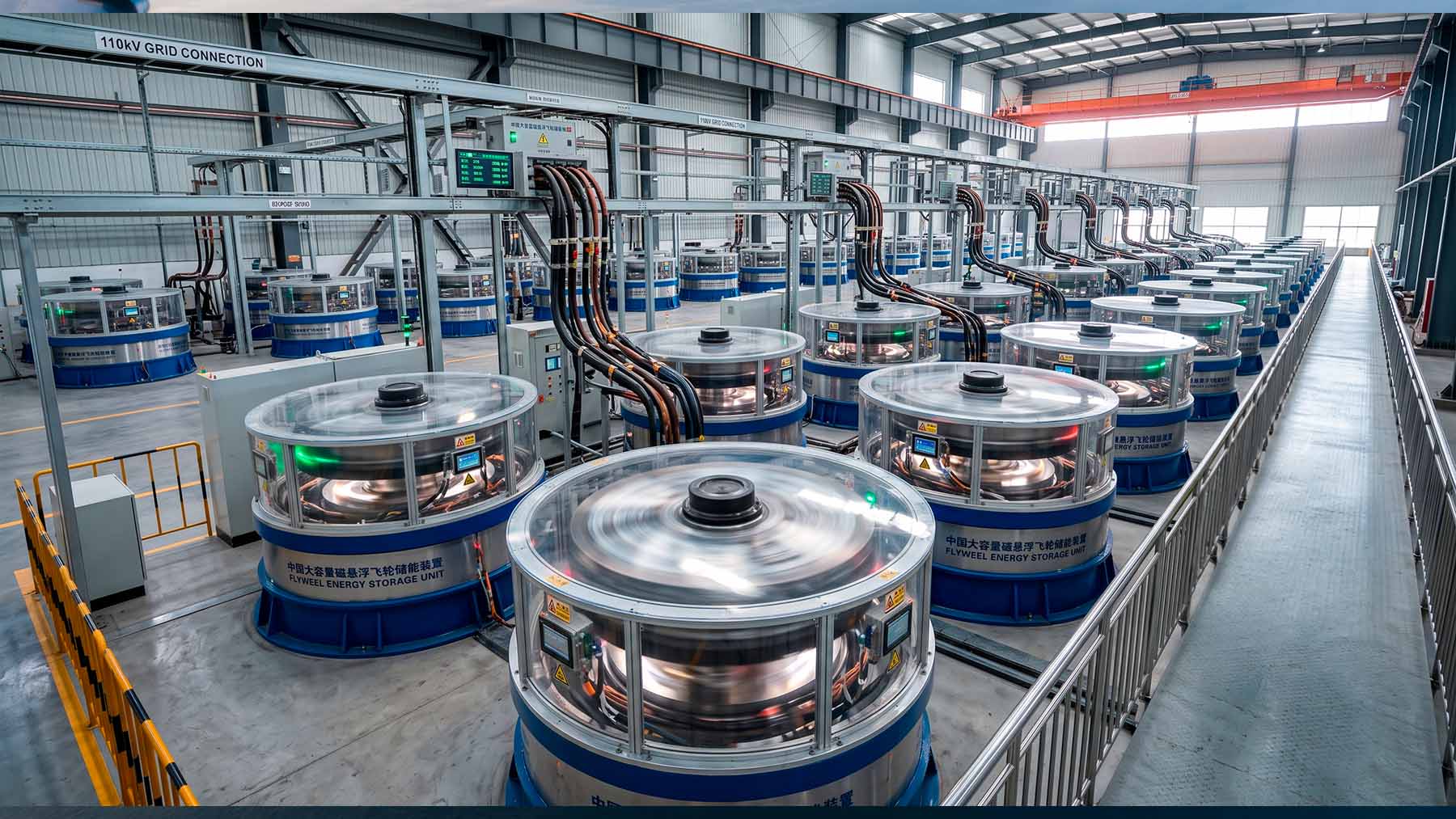
China is showing how tostabilize grids without chemical batteriesusing magnetic spinning technology. Renewable energy capacity is rapidly expanding to meet growing electricity demand while keeping carbon footprints low. Thisgreen infrastructure is inherently intermittent, generating variable outputs across utility networks. That is why the plant is partially underground to ensure safety while providing instant, degradation-free electricity stabilization. Batteries have long dominated as a solution to this intermittency, but mechanical alternatives are becoming more popular. Will magnetic spinning devices end upreplacing chemical energy storage systemsfor good?How renewable infrastructure has become central to a modern worldModern society revolves around fast-paced, highly evolved technologies and hyperconnectivity. Whilehumanity continues to strive toward further advancements, the climate is silently paying the price. Global climate goals require a significant shift away from fossil fuels. Yet,generative AI, cloud computing, and an increase in data centersare making this more complex. Together, they are driving an unprecedented surge in the world’s electricity consumption. Tomaintain grid integrity during peak demand periods, utilities often fire up fossil-fuel plants. Expanding renewable energy infrastructure will directly cut these carbon-intensive emissions. Now, nations are rushing to expand capacity tomeet both climate goals and energy needs. Global green capacity reached 5. 15 terawatts by the end of 2025, but more is still required. However, scaling variable sources createsmajor challenges for existing electrical grids. To overcome this, chemical battery storage systems were combined with renewable infrastructure. Unfortunately,these systems are also presenting obstacles. The losing battle between chemical batteries and grid fluctuationsVariable sources such aswind and solar often fail gridswhen forecasts are wrong. Power grids need precise,real-time balance between electricity generation and consumption. This is achieved by maintaining grid frequency at a precise baseline – typically either 50 or 60 Hertz. This balance isimmediately disrupted during times of intermittency, as voltage drops and frequency spikes. These are known as rapid micro-fluctuations, which damage fragile electronic equipment. They also triggerautomated safety cuts and widespread blackouts. Initially,lithium-ion batteries were integratedto manage these sudden shifts. However, thesechemical storage systems face operational challenges. Chemical batteries have limited lifespan due to frequent micro-adjustments. Furthermore, these systems can experiencea response lag when ramping up power output. Battery production and recycling also have a significant environmental footprint. That is why engineers are seekingalternative fast-frequency response systems. China is now showing what magnetic spinning technology has to offer. Magnetic spinning tops to stabilize gridsChina is known topush the limits of unconventional energy storage systems. In Shanxi Province, the nation connectedthe world’s biggest flywheel energy storage systemto the national grid. The $48. 1 million Dinglun facility is located in Changzhi City and has a total capacity of 30 megawatts. The facility consists of 120 high-speed flywheel units. They aregrouped into 10 to 12 frequency-regulating units, feeding power to the 110-kV grid. The magnetic spinning tops carry immense kinetic force. That is why the plant is partially underground toensure safety while providing instant, degradation-free electricity stabilization. Magnetic spinning to store power as physical movementExcess grid power drives an electric motor, spinning giant cylinders up to high speeds. Heavy rotors hover on magnetic levitation bearingsinside vacuum chambers. Mechanical friction is eliminated and energy loss prevented. As voltage drops, the magnetic spinning motion drives a generator. Kinetic energy is converted into electricityin milliseconds by slowing down. Chemical batteries remain crucial for long-duration storage. However, the magnetic spinning of flywheel technology proves thatmechanical systems are key to regulating split-second frequency. The global energy transition will continue to demand faster, greener grid support. The Dinglun plant provesfrictionless kinetic energy is a feasible, long-term solution. Ultimately,global grids could significantly benefitfrom this powerful, zero-degradation technology. Author ProfileAnke MareenStaff WriterAnke Maree is a writer with a clear and engaging editorial style. Her work focuses on making complex topics accessible, informative, and relevant for readers across different areas of interest. Anke MareenAnke Maree is a writer with a clear and engaging editorial style. Her work focuses on making complex topics accessible, informative, and relevant for readers across different areas of interest.