China seeks feedback on state-backed decentralized digital identity framework | Biometric Update
China’s Cyberspace Administration has published a draft of “Regulations on Promoting the Interoperability and Interrecognition of Distributed Digital Identity Applications” for public comment. As translated. . .
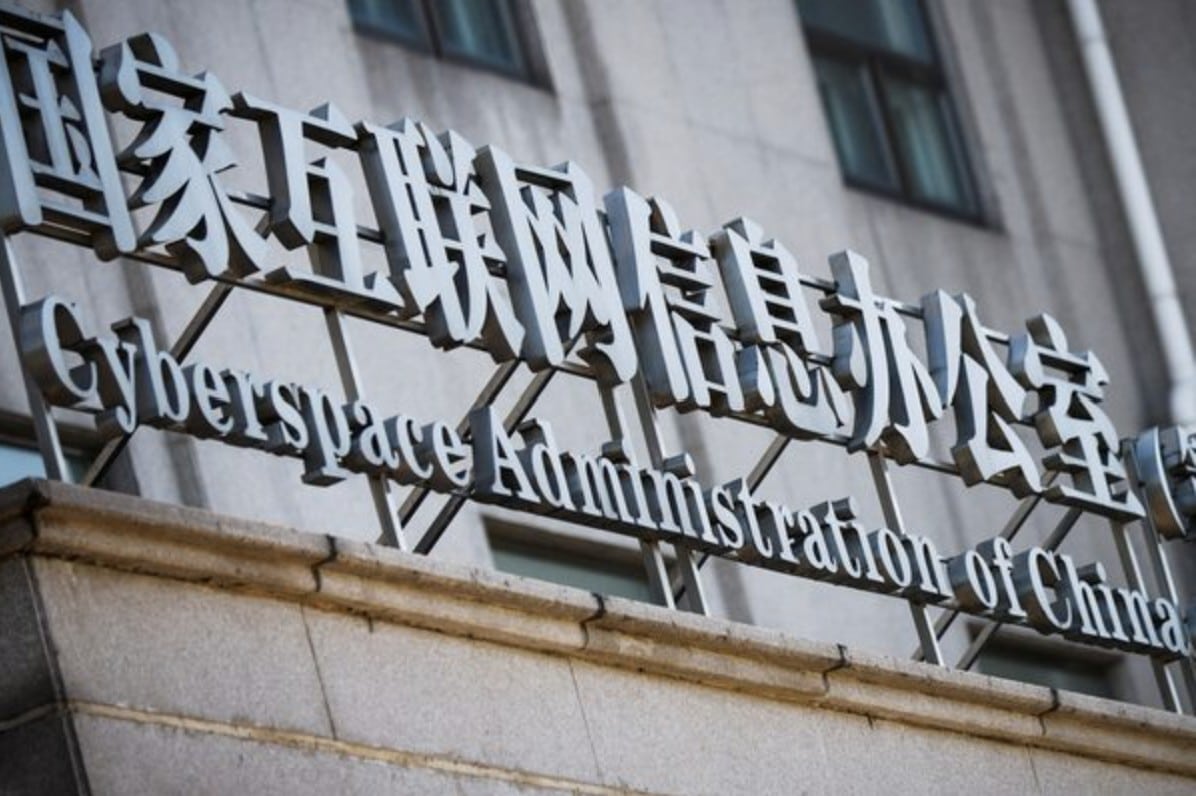
China’s Cyberspace Administration has published a draft of “Regulations on Promoting the Interoperability and Interrecognition of Distributed Digital Identity Applications” for public comment. As translated by Google, thedocumentstates that the goal is to “promote the innovative development and interoperability of distributed digital identities, establish and improve the public service system for distributed digital identities, and support the construction of the national blockchain network’s basic common service capabilities. ”“Distributed digital identities” are what the Chinese government callsdecentralized identitymodels – or, alternately, “a new type of digital identity based on distributed technologies such as blockchain, which supports users in managing their own identity information. ” The concepts described align with other decentralized ID models based on distributed ledger technology. Distributed digital identity, the draft says, “consists of an identifier, a key, averifiable credential, and a verifiable claim, and can be used in scenarios such as digital account management, login authentication and data authorization. ” Architecturally, it is to be built on China’s nationalblockchain network, “operated by an authorized unit of the State Internet Information Office, in cooperation with authoritative identity authentication institutions, distributed digital identity application service institutions, verifiable credential issuing institutions, and verifiable credential application institutions. ”“Authoritative identity authentication authorities provide authentication services for the registration of distributed digital identities through identity chains. ” Registered users will be assigned a dia distributed digital identity identifier – “a string that conforms to specific encoding rules and has the characteristics of uniqueness, permanence, and resolvability” – and a real-name identity certificate. China defines an “authoritative identity authentication authority as “an authoritative agency that verifies and reliably authenticates the identity information of individuals, government agencies, public institutions, legal persons and other organizations, industrial equipment and goods in accordance with legal procedures and industry standards, so as to ensure the consistency between digital identity and actual identity. ” In other words, certified third partydigital identity providers. Decentralized model raises sensitive political questionsIn pursuing decentralized digital ID, China is experimenting with a model that would seem to be philosophically at odds with its political system, whichprizes surveillanceand centralized control. While the system as described makes use of digital credentials and selective disclosure for minimizing shared data – but includes no mention of privacy, ostensibly the motivating factor for selective disclosure models. It encourages interoperability, but gives no indication how interoperable systems might navigate concerns about surveillance and national security. A general assessment of the proposal suggests China is hoping to build a digital identity system in keeping with its adaptive model – decentralized digital identity,according to government rules. In states that have maintained restrictive control over communications technology, there are serious questions to be asked by the digital identity community about what, exactly, digital identity systems are designed to achieve. Trustis already at a premium, and any visible use of digital identity to tighten social control will only erode it further. A decentralized system based on the principle of data sovereignty is arguably at odds with how China’s government operates. Mandated digital identity in the Xinjiang region, for instance, would surely be seen as an expansion of the state’stoolkitfor oppressing the Uyghur minority. Consider, if you will, the likelihood that this very article will be blocked by state censors charged withcracking downon online criticism of its digital ID plan. Regardless, the public is invited to provide feedback on the government’s draft until July 18, 2026. Article Topicsblockchain|China|Cyberspace Administration of China (CAC)|decentralized ID|digital identity|verifiable credentials