China's Top Metros Log Fourth Month of Home Price Gains - Mingtiandi
Signs are emerging of an end to China’s housing slide (Getty Images)Average prices for second-hand homes in China’s four largest cities rose for a fourth straight month in June, but an ongoing decline in. . .
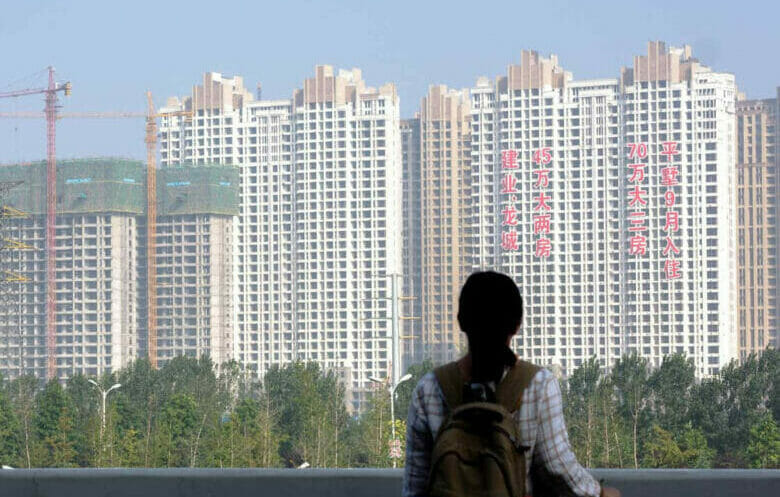
Signs are emerging of an end to China’s housing slide (Getty Images)Average prices for second-hand homes in China’s four largest cities rose for a fourth straight month in June, but an ongoing decline in smaller cities continued to drag down values for used housing nationwide, according to official data released on Wednesday. Second-hand home prices, which are less subject to government intervention and viewed as a core gauge of housing sentiment, rose 0. 3 percent in June compared to May, across Beijing, Shanghai, Guangzhou and Shenzhen following a 0. 4 percent month-on-month gain in the previous month,data from National Bureau of Statistics(NBS) showed. This sign of stabilisation in China’s four first tier cities came as second-hand prices across the country dipped 0. 32 percent in June – the steepest month-on-month decline in the past four months, with analysts fromEuropean bank INGpointing to continued improvement in China’s largest cities as potentially indicating a broader shift in the market. “If we do end up confirming a trough, this (home price stabilization in first-tier cities) could be a catalyst for gradual sentiment recovery,” Lynn Song, chief economist for Greater China at ING said in a research note. Smaller Cities Fall FasterWith first-tier cities accounting for about 10 to 15 percent of China’s national residential sales value, analysts fromFitchandJPMorgan Chase & Cohave shared views in recent weeks that the nascent recovery in the country’s largest markets remains insufficient to reverse a multi-year slide nationwide. Lynn Song, chief economist for Greater China at INGFitch last month downgraded its outlook for China’s housing market this year, predicting that new home sales will decline 11 to 13 percent from 2025 levels, after having forecast a 7 to 8 percent drop in December. City-specific datareleased by the NBS on Wednesday showed that second-hand home prices declined in all but 10 of 70 cities surveyed in June, down from 13 in May. Second-tier cities posted a 0. 3 percent decline in second-hand home prices, widening from 0. 2 percent in May, while prices in third-tier cities continued to decline at 0. 4 percent. New home prices, which are more responsive to government support measures, fell at a slower pace both on a monthly and an annual basis, demonstrating better performance than second-hand home prices. Despite the signs of market stabilisation, ING sees little hope for more activity from developers, or for a broader economic boost from the real estate sector. “Property investment, already down 18 percent year-on-year so far this year, will remain a major drag on growth for some time, as inventories remain high and prices have yet to really confirm a bottom,” said ING’s Song. Improvement ExpectedAnalysts who spoke with Mingtiandi expect China’s housing market will improve in the second half of 2026, with narrower declines in both home prices and new home sales. “The second half of 2026 will likely see further improvement in new home and existing home prices, likely narrower year-on-year declines versus the first half,” Jeff Zhang, an equity analyst at Morningstar, told Mingtiandi. “We expect housing inventory levels to decrease sequentially too, as local governments’ and homebuyers’ absorption persists. ”Lulu Shi, director of corporate ratings for Asia Pacific at Fitch Ratings, expects a 9 to 12 percent decline in China new home sales in the June to December period while forecasting a full-year decline of 11 to 13 percent. China’s new home sales declined 13. 7 percent in the first half of 2026, according to theNBS. While markets have been looking ahead to a Politburo meeting later this month as a likely window for more policy support, Morningstar’s Zhang does not expect the meeting to deliver major stimulus. “The government’s current approach is mainly aimed at preventing systemic risks, and the property sector is unlikely to serve as a major growth driver for the economy going forward, making large-scale policy stimulus unlikely,” said Zhang. Support will likely remain focused on city-specific measures and moves to make more financing available to home buyers through channels such as individual housing provident fund accounts, he added.