Climate alliance calls for health action plans to deal with future heatwaves
ByMichael McHale18th July 2026ESRI projects that, by 2030, more 200 people will die each year in Ireland due to excess heatThe country’s cities are not adequately prepared for the health impacts of extreme. . .
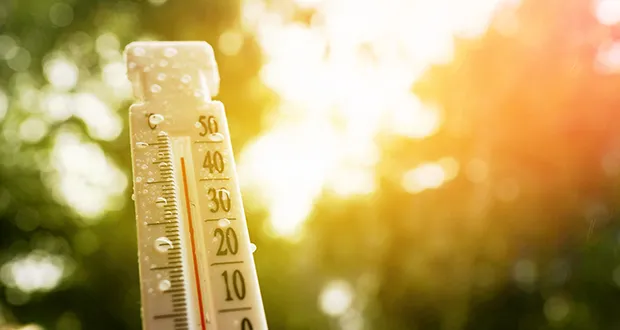
ByMichael McHale18th July 2026ESRI projects that, by 2030, more 200 people will die each year in Ireland due to excess heatThe country’s cities are not adequately prepared for the health impacts of extreme heat, a coalition of public health and advocacy organisations has warned. The Climate and Health Alliance has called on city councils to develop and implement Heat-Health Action Plans (HHAPs) to protect their residents, as evidence mounts that Ireland is increasingly at risk from extreme temperatures. According to the World Health Organization (WHO), over the past four years more than 200,000 people have died from extreme heat across Europe. Research by the Economic and Social Research Institute (ESRI) projects that by 2030, more than 200 people will die each year in Ireland due to excess heat, a figure that could rise significantly by the end of the century. Members of the Climate and Health Alliance include the Irish Heart Foundation, the Royal College of Surgeons Ireland, and the Irish Cancer Society. “Cities are literal hot spots,” said Dr Christie Godsmark of the School of Public Health, University College Cork, speaking on behalf of the alliance. “Extreme heat puts strain on health services and infrastructure and can have devastating physical and mental health consequences. The current heatwave is a reminder that extreme heat is now a local issue, and it requires an urgent response. ”Cities are particularly vulnerable due to the ‘urban heat island’ effect, where concentrations of heat-absorbing materials like concrete and asphalt, combined with a lack of green space, mean cities can be several degrees hotter than surrounding rural areas. Research in Cork has shown that commercial and industrial areas can be up to 15 degrees hotter than other parts of the city. This trapped heat affects everyone living in an urban area, but particularly impacts vulnerable groups such as older people, the very young, or those with chronic illnesses. Last month the WHO launched the second edition of its guidance on HHAPs, providing a framework of eight core elements for cities to protect their citizens, including:Reducing heat exposure through measures such as increasing green spaces, creating cooling centres, and improving building design;Protecting vulnerable populations by ensuring social services, schools, and community groups are trained to recognise and respond to heat-related illness; andStrengthening health services to ensure hospitals and primary care can cope with increased demand during extreme heat events. The Climate and Health Alliance is calling on the public to urge their local city councils to develop and adopt a WHO-aligned HHAP. “Europe is the fastest warming continent but with adequate heat-health planning and action, most deaths from heat can be prevented,” added Dr Godsmark. “The WHO has given us a clear, evidence-based framework. The next step is for our city councils to act on it, to ensure we are prepared for the heatwaves to come. ”Tagged with:Climate and Health Allianceclimate changeextreme temperaturesheat-absorbing materialsHeat-Health Action Plans (HHAPs)WHO