Climate Change Intensifies Food Crisis In Island States, Affecting 2. 7 Million - Sigma Earth
Home»Environmental News»Climate Change Intensifies Food Crisis In Island States, Affecting 2. 7 MillionClimate change intensifies food crisis in Island States as rising temperatures, prolonged droughts, and. . .
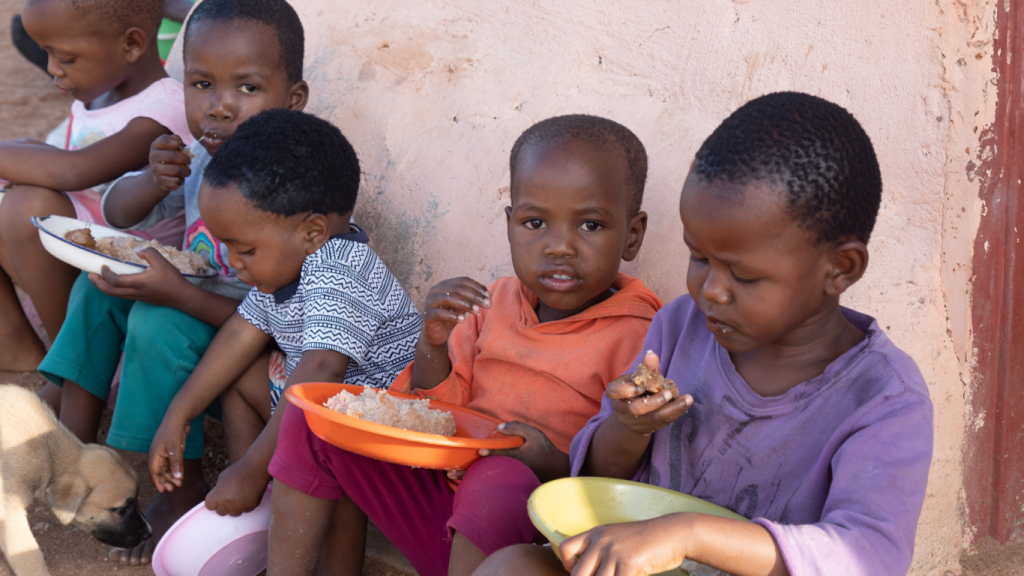
Home»Environmental News»Climate Change Intensifies Food Crisis In Island States, Affecting 2. 7 MillionClimate change intensifies food crisis in Island States as rising temperatures, prolonged droughts, and extreme weather continue to threaten the health and livelihoods of some of the world’s most climate-vulnerable communities. According to the2025 Lancet Countdown on Health and Climate Change in Small Island Developing States (SIDS)report, an estimated2. 7 million additional people across 26 island nationswere pushed into moderate to severe food insecurity in 2023 due to more frequent droughts and heatwaves. The report also found that4. 4 billion potential work hours were lost in 2024because of extreme heat-the highest annual loss since records began in 1990. Although Small Island Developing States contributeless than 1% of globalgreenhouse gas emissions, they continue to face some of the most severe consequences of climate change. Heatwaves and Droughts Worsen Food SecurityThe report highlights thatheatwavesincreased food insecurity by 5. 74 percentage points, whiledroughts contributed an additional 3. 53 percentage points. Lower-income households and island nations heavily dependent on imported food have been hit the hardest as climate extremes reduce agricultural productivity and disrupt food supply chains. Researchers warn that worsening climate conditions are making access to affordable and nutritious food increasingly difficult, leaving millions vulnerable to hunger and malnutrition. Also Read:Canada’s Wildfire Smoke Pushes US And Canada Air Quality To Dangerous LevelsExtreme Heat Is Becoming a Public Health EmergencyClimate change is not only affecting food systems but also creating serious health risks. Between2015 and 2024, infants experiencedseven times more heatwave days, while adults aged65 years and olderfacedfive times more heatwave exposurecompared to the period between 2000 and 2009. In 2024, people across SIDS experienced an average of3,000 hours of moderate heat stress riskduring light outdoor activity,41%higherthan the average recorded during the 1990s. Agriculture alone accounted formore than 1. 3 billion lost work hours, significantly affecting rural incomes and food production. Key FindingsDataAdditional People Facing Food Insecurity2. 7 millionSmall Island Developing States Covered26Work Hours Lost Due to Heat in 20244. 4 billionHeatwave Impact on Food Insecurity+5. 74 percentage pointsDrought Impact on Food Insecurity+3. 53 percentage pointsGlobal Emissions from SIDSLess than 1%Also Read:India’s First Hydrogen Train Set To Run On 89-Km Haryana Rail CorridorClimate Change Intensifies Food Crisis in Island States Beyond AgricultureThe report warns that climate change intensifies the food crisis in Island States through multiple interconnected impacts. Rising temperatures are increasing the transmission potential of mosquito-borne diseases such as dengue and chikungunya, as warmer conditions favour the spread ofAedes aegyptiandAedes albopictusmosquitoes. At the same time, ocean warming is threatening fisheries that millions rely on for food and income. Between2022 and 2024, sea surface temperatures around SIDS were 0. 61°C higher than the 1981-2010 average, placing additional pressure onmarine ecosystemsand fish stocks. Also Read:Faith Leaders Call On Andy Burnham To Prioritise Climate Change Across Greater ManchesterAdaptation Efforts Still Fall ShortDespite growing climate risks, adaptation remains inadequate. Only10 of the 58 Small Island Developing Stateshave dedicated national health and climate adaptation plans, while only25 countrieshave health systems actively engaged in climate monitoring. Limited institutional capacity, fragmented climate finance, and heavy reliance on loans continue to slow resilience-building efforts. However, the report also highlights encouraging progress. Since2020, solar photovoltaic capacity across SIDS has increased2. 3-fold, early warning systems have become more effective, and deaths from extreme weather events have declined. Experts say these achievements demonstrate that targeted investments can strengthen resilience, but greater international financial support is urgently needed to protect vulnerable island nations from escalating climate impacts. Also Read:Comparison of Sustainable Insulation Materials for BuildingsSarah Tancredi is an experienced journalist and news reporter specializing in environmental and climate crisis issues. With a deep passion for the planet and a commitment to raising awareness about pressing environmental challenges, Sarah has dedicated her career to informing the public and promoting sustainable solutions. She strives to inspire individuals, communities, and policymakers to take action to safeguard our planet for future generations. View all posts