Climate Change Is Transforming the Adriatic Sea - CorD Magazine
Rising sea temperatures are reshaping marine life in the Adriatic, with tropical species becoming increasingly common along Croatia’s coastline while native ecosystems face growing pressure. Marine scientists are observing significant changes in the Adriatic Sea as warming waters continue to alter the region’s biodiversity. Species once associated with much warmer parts of the Mediterranean are […]
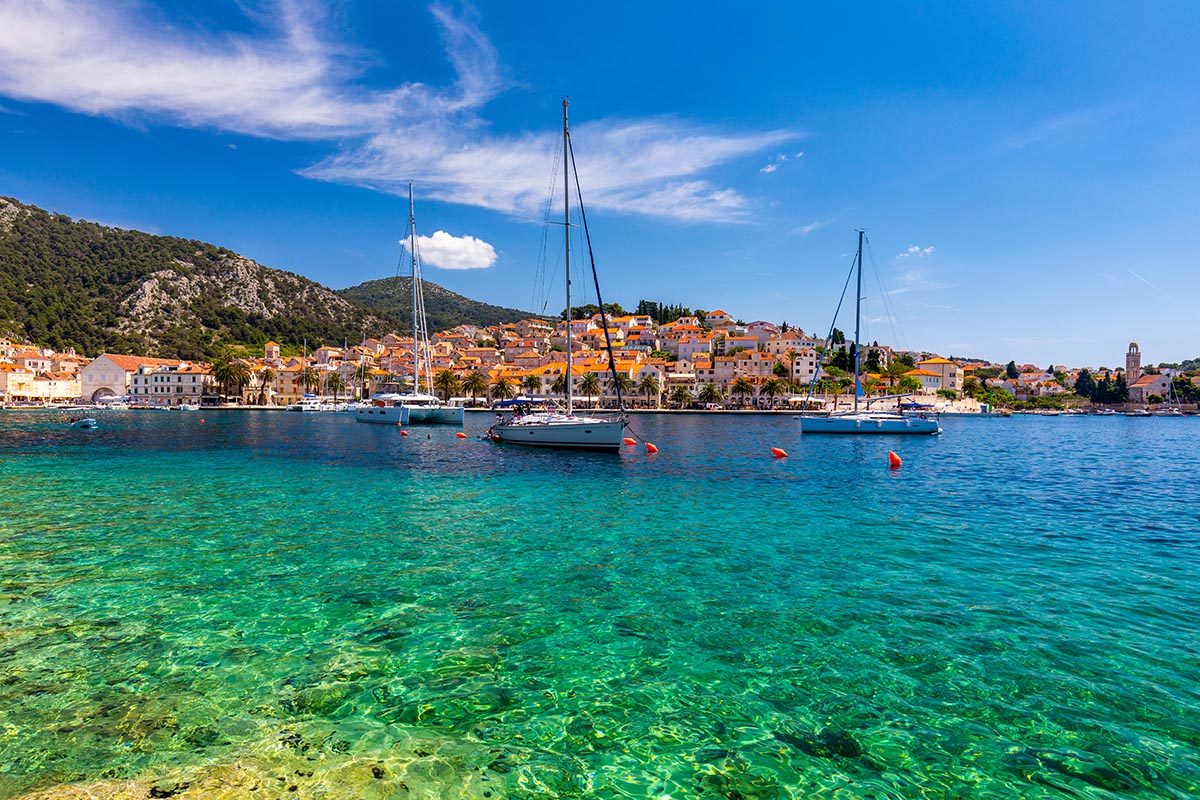
Rising sea temperatures are reshaping marine life in the Adriatic, with tropical species becoming increasingly common along Croatia’s coastline while native ecosystems face growing pressure. Marine scientists are observing significant changes in the Adriatic Sea as warming waters continue to alter the region’s biodiversity. Species once associated with much warmer parts of the Mediterranean are now appearing more frequently along the Croatian coast, reflecting the long-term effects of climate change on one of Europe’s most distinctive marine ecosystems. According to experts, the Adriatic is experiencing a gradual influx of thermophilic, or warm-water, species that have migrated north as sea temperatures continue to rise. While some newcomers pose little threat, others have the potential to disrupt local ecosystems by competing with native species for food and habitat. Researchers note that warmer conditions are also changing the seasonal behaviour, distribution and breeding patterns of marine organisms. Some fish species are expanding their range, while others traditionally found in the Adriatic are becoming less abundant as environmental conditions evolve. The phenomenon mirrors trends being observed across the Mediterranean, where climate change is accelerating ecological shifts and increasing biodiversity challenges. Scientists stress that these changes are expected to continue if average sea temperatures keep rising over the coming decades. Croatia’s Adriatic coast, one of the country’s most valuable natural and economic assets, supports tourism, fisheries and a wide variety of marine habitats. As a result, understanding how climate change affects the sea has become increasingly important for environmental protection and sustainable resource management. Experts emphasize that monitoring marine biodiversity will be essential in the years ahead, allowing scientists to identify invasive or non-native species early and assess their impact on local ecosystems. They also underline the importance of protecting sensitive coastal habitats, which can help native species adapt to changing environmental conditions. While visitors may notice a greater variety of marine life during the summer months, researchers caution that these new arrivals are also a reminder of a much broader environmental trend. The changing Adriatic is becoming one of the clearest regional indicators of how climate change is already reshaping Europe’s natural ecosystems.