Climate change makes marine animals shrink
International study identifies an ancient pattern as a warning sign for the consequences of today’s global warmingWhether mussels, crustaceans or fish: Marine animals have been responding to environmental. . .
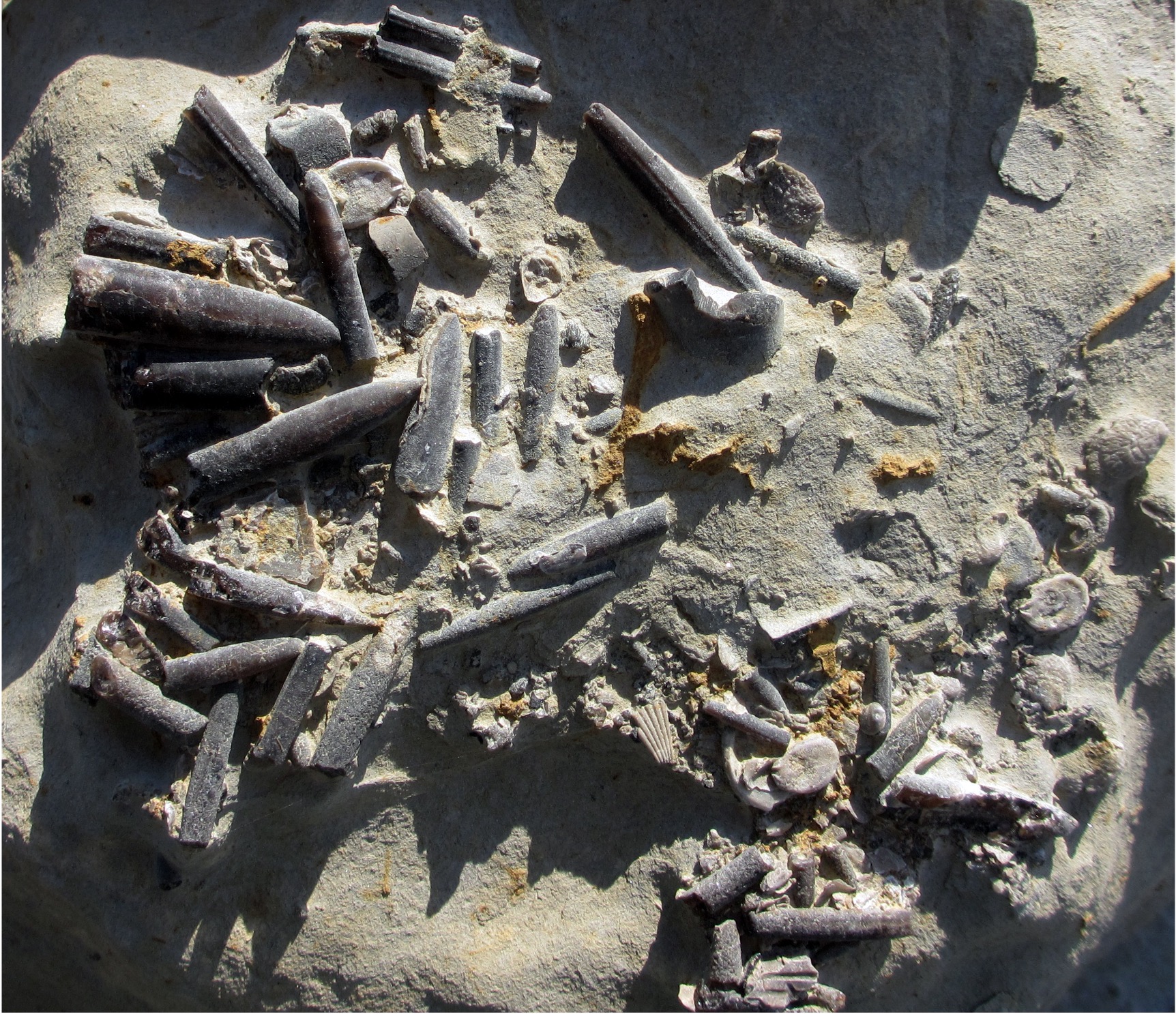
International study identifies an ancient pattern as a warning sign for the consequences of today’s global warmingWhether mussels, crustaceans or fish: Marine animals have been responding to environmental crises with a reduction in their body size for hundreds of millions of years. A new study by Friedrich‑Alexander Universität Erlangen-Nürnberg (FAU) in conjunction with the Universities of Warsaw and Lille now shows that this phenomenon, known as the “Lilliput effect”, is especially pronounced during phases of strong global warming. The researchers see it as a warning signal regarding changes to today’s climate. The results suggest that the current warming will cause marine organisms to shrink. For the study, the research team analyzed almost 9,000 size changes from fossil, historical and modern analyses. This allowed changes in body size in marine animals over a span of roughly 450 million years to be compared. How marine animals respond to environmental crises“Our data show that the decrease in body size is a general response of marine animals to environmental crises,”saysDr. Paulina Nätscher, former researcher at the Chair of Paleoenvironmental Analysis at FAU and lead author of the study. “We observed this phenomenon in very different animal groups, from dwarfism in individual species to a dominance of smaller species across entire communities. It is aclear sign that ecosystems are under stress. ”The changes were particularly prominent during warming phases. “In all environmental crises, whether caused by warming or not, a reduction in body size occurs within communities,” explains her colleague Dr. Kenneth De Baets from the University of Warsaw. “However, what is particularly notable is that crises withpronounced warminglead to markedly stronger and more variable changes directly within species; that is,to genuine dwarfing. On average, theseeffects are about twice as strong during warmingthan they are with other crises. ”The link with the rise in temperature is also clearly evident, saysProfessor Wolfgang Kießling,Chair of Paleoenvironmental Analysis at FAU:“The stronger the temperature rises, the more pronounced the reduction in body size. Earth’s history thus provides aclear warning signfor the future of the oceans. ”Implications for marine ecosystemsThe study suggests that the currently observed trend toward smaller fish and invertebrate marine animals is not a short‑term phenomenon, but follows a long‑term pattern. If global warming continues, smaller body sizes in the world’s oceans could increasingly become the norm – with far‑reaching consequences for food chains and fisheries. Further information:Link to original publication:Unique fingerprint of marine ectotherm body size change during hyperthermal crisesDOI:doi 10. 1073/pnas. 2505564123FAU research on climate change:Energy and climateDr. Paulina S. NätscherPhone: +33 3 20 43 41 33paulina. naetscher@fau. de