Corporate Headshots vs Personal Branding Photography: Which Does Your Business Need? 😀
The Direct Answer: Headshots Standardise; Branding Photography Tells a StoryA corporate headshot is a consistent, tightly framed portrait designed to identify a person professionally. Personal branding. . .
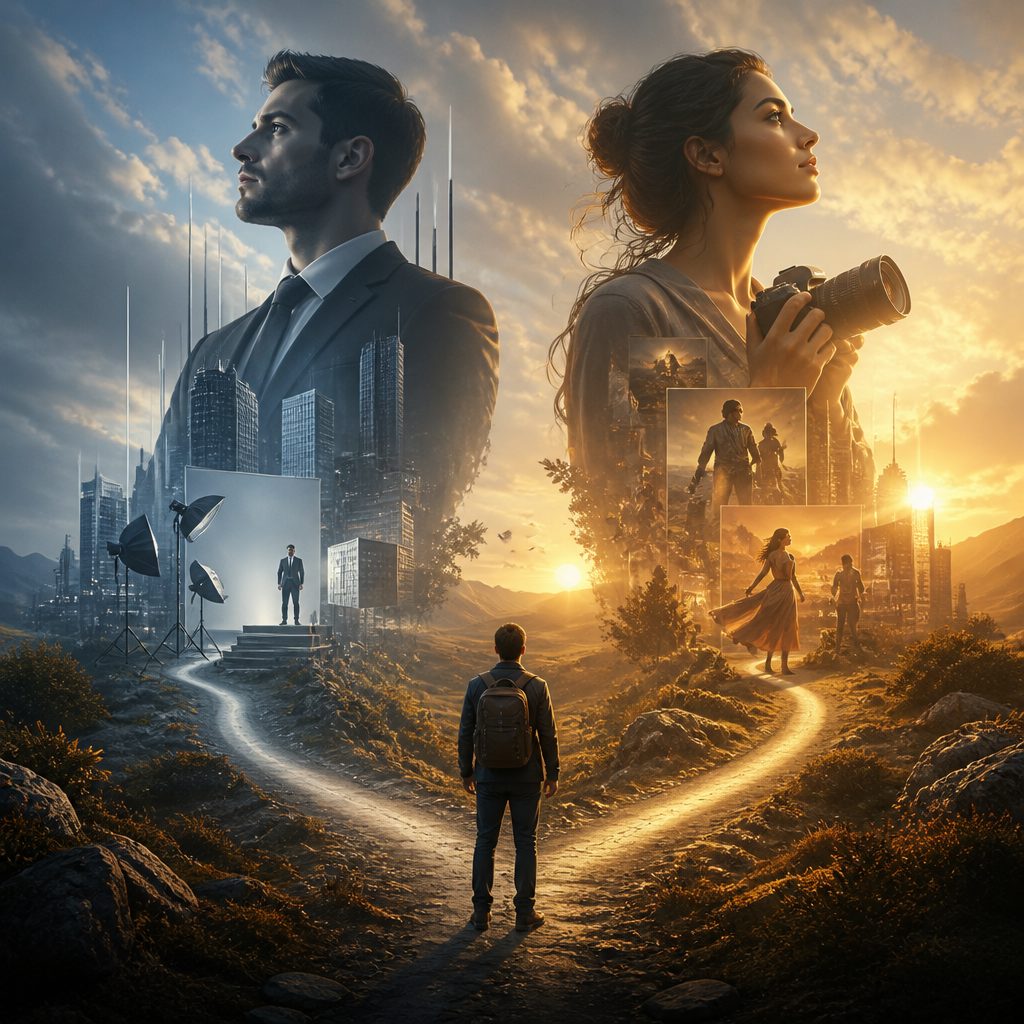
The Direct Answer: Headshots Standardise; Branding Photography Tells a StoryA corporate headshot is a consistent, tightly framed portrait designed to identify a person professionally. Personal branding photography is a broader collection of images that communicates someone’s expertise, personality, working style, and business story. Choose headshots when your priority is uniform team presentation. Choose personal branding photography when an individual’s visibility, ideas, or reputation actively drives trust and sales. Many businesses need both. The deciding question is not which format looks more creative. It is what job the photographs must perform, where they will appear, and whether the subject represents a role, a team, or a distinctive public voice. Clarifying those points before production prevents an attractive but incomplete image library. A polished portrait should match its intended business purpose. What Corporate Headshots Are Designed to DoCorporate headshots create a recognisable visual system across an organisation. They usually use similar framing, lighting, backgrounds, colour treatment, and expression, even when employees are photographed on different days. The result makes leadership pages, proposals, email signatures, speaker profiles, annual reports, and professional networks feel orderly and credible. Headshots work best when you needFast visual identification of employees, executives, or board membersA cohesive look across a growing or geographically dispersed teamAn efficient photography day with predictable shot requirementsEasy replacement images when people join, leave, or change rolesConsistency does not mean every person must look identical. Subtle adjustments to posing, accessibility needs, glasses, skin tone, clothing, and seniority help each subject look natural while preserving the shared style. A good brief defines what must remain fixed and where the photographer can adapt. Consistent framing helps a team appear connected and professional. What Personal Branding Photography AddsPersonal branding sessions produce a versatile image bank rather than one definitive portrait. Alongside head-and-shoulders photographs, the session may capture a founder presenting, consulting, designing, visiting a site, using a product, or interacting with clients. Environmental details, wardrobe changes, wider compositions, and candid moments provide context about how that person creates value. This approach suits consultants, authors, speakers, creatives, real estate agents, advisers, health practitioners, and owner-led businesses where customers want to understand the person behind the offer. It also supports repeated content publishing because crops, orientations, settings, and expressions can be matched to website banners, social posts, media features, presentations, and campaigns. Practical distinction:Fundamentally, a headshot answers “Who is this?” Personal branding images also answer “What do they do, how do they work, and what makes their perspective distinctive?”Branding imagery adds environment, action, and personality to professional portraits. Corporate Headshots Versus Personal Branding PhotographyDecision factorCorporate headshotsPersonal branding photographyPrimary purposeIdentify people consistentlyBuild recognition and communicate expertiseTypical varietyOne or several closely related portraitsMultiple settings, actions, outfits, and cropsBest subjectsTeams, executives, boards, and employeesFounders, experts, spokespeople, and client-facing specialistsProduction focusRepeatability, efficiency, and brand alignmentNarrative, versatility, personality, and content planningCommon usesDirectories, profiles, proposals, signatures, and reportsWebsites, campaigns, social media, PR, and thought leadershipNeither option is inherently more professional. A tightly controlled headshot can feel premium, while an elaborate branding session can still miss the mark without a content plan. The better choice is the smallest shoot scope that supplies every required image, at suitable resolutions and orientations, without producing assets your business has no realistic way to use. How to Choose the Right Photography ApproachUse the following questions as a practical brief. Your answers will reveal whether you need standardisation, storytelling, or a planned combination of both. 1. Who needs to be photographed?If many employees require matching portraits for a directory, begin with headshots. If the priority is one founder, principal, or spokesperson whose identity shapes the brand, branding photography offers greater value. For a leadership team, use consistent hero portraits and reserve additional lifestyle scenes for selected public-facing people. 2. Where will the images appear?List placements before discussing locations or outfits. Staff pages often need square or vertical crops with clean backgrounds. Website headers need horizontal space for copy. Editorial coverage may require natural environmental portraits, while social channels benefit from variety. Designing backwards from placements gives each composition a clear function. 3. How controlled must the brand look?Regulated, technical, or large organisations may favour repeatable lighting and restrained backgrounds. Relationship-led brands can often show more warmth, movement, and surroundings. The answer is not based on industry alone: a law firm promoting an innovative partner may need branding images, while a creative agency directory may still need uniform headshots. 4. How often will content be published?A quarterly profile update needs fewer assets than a weekly content program. If your team lacks time to publish regularly, prioritise durable portraits. If marketing has mapped upcoming articles, launches, speaking engagements, and campaigns, a broader branding library can reduce future scrambling and keep visuals coherent. Planning for real placements creates a more useful image library. When Your Business Should Combine BothA hybrid session is often the most efficient answer. Photograph every team member using one repeatable headshot setup, then allocate extra time to executives, subject-matter experts, recruiters, or sales leaders. Those selected people can move into environmental scenes, working interactions, and campaign-specific compositions after their core portraits are complete. For example, a construction company might need consistent office and site-team profiles, plus a richer series showing its managing director reviewing plans, discussing safety, and walking an active project. A professional services firm might pair partner headshots with collaborative meeting images for recruitment and thought-leadership content. One production plan can deliver both. Efficient approach:First, establish the mandatory headshot list first. Then rank optional branding scenes by marketing priority, location, people involved, and setup time. If time tightens, the essential deliverables remain protected. Plan the Shoot Around Business UseBefore shoot day, create an asset checklist rather than asking for “a few good photos. ” Record each channel, crop, background preference, wardrobe requirement, deadline, and responsible approver. Confirm whether images must leave room for text, whether office signage should appear, and whether locations contain confidential information or identifiable clients. Also plan practical constraints: staff availability, travel between sites, hair and makeup, weather alternatives, accessibility, safety inductions, and release permissions. For remote teams, specify the visual rules that another session must reproduce later. Consistent camera height, lighting direction, backdrop tone, crop, and colour treatment matter more than using the exact same room. What to ask a photographerCan you maintain a consistent style for future starters?How will you capture horizontal, vertical, and square uses?Can selected subjects receive both headshots and environmental portraits?What preparation guidance will employees receive before the session?How are final selections, retouching, usage rights, and delivery handled?Clear answers make quotes easier to compare. Price alone can conceal differences in planning, image volume, retouching, licensing, travel, and future consistency. Ask for relevant examples that resemble your team size, locations, and intended applications. The Bottom Line for Your BusinessChoose corporate headshots when consistency, speed, and straightforward identification matter most. Choose personal branding photography when customers need to see expertise, personality, process, and context. Combine them when your organisation needs a unified team presence but relies on particular leaders or specialists to communicate publicly. The right brief starts with actual placements, not poses, and converts each required use into a deliberate shot. Purpose should guide production. Ready to Plan a More Useful Photography Session?Define who must be photographed, where the images will appear, and how much variety your marketing calendar genuinely requires. Then brief Visionair with your essential headshots, priority branding scenes, locations, deadlines, and future update needs. A focused conversation can shape an efficient production plan that gives your business consistent portraits today and adaptable visual content for the campaigns, profiles, and opportunities ahead. Start planning a corporate headshot or personal branding photography session with VisionairAbout The AuthorJim MoustakasJim Moustakas is a seasoned professional in the realm of video production and commercial photography, born in the vibrant city of Frankfurt, Germany, in 1973 and then migrated to Australia in 1981. Jim’s passion for content creation ignited at the tender age of 15, a flame that has only grown brighter with time. In 1988, while still at Randwick Boys High School in Year 9, Jim embraced the role of the resident school photographer together with other school mates, cultivating his skills in the magic of the dark room which he ran at his school. This early exposure to the art form laid the foundation for his future endeavors. Between 1992 and 2000, Jim honed his craft in the wedding photography business, capturing countless moments of joy and celebration. The turn of the millennium marked a new chapter in Jim’s career as he embarked on a decade-long adventure from 2000 to 2011, traversing the diverse landscapes of Australia. As a national school photographer, Jim not only chronicled the academic journeys of countless students but also extended his services to Indigenous children in remote communities. His commitment to ensuring these students were not deprived of cherished school memories due to their geographical isolation speaks volumes of his character. During this period, Jim also collaborated with Australian Geographic as a freelance shooter, skillfully documenting various assignments that aligned with his travels across Australia. After a brief interlude from the industry, Jim’s entrepreneurial spirit led to the inception of Visionair Media in 2012. Under his leadership, Visionair Media has flourished into a reputable commercial photography and video production agency. The company prides itself on delivering top-tier photography and video production services to both the commercial and government sectors, showcasing Jim’s unwavering dedication to his craft and his ability to adapt and evolve within the ever-changing landscape of visual media.