Digital Health Solutions for Smarter Healthcare - Ezovion
Healthcare leaders face unprecedented pressure. Rising patient expectations, workforce shortages, increasing operational costs, and growing regulatory demands continue to challenge hospitals and healthcare. . .
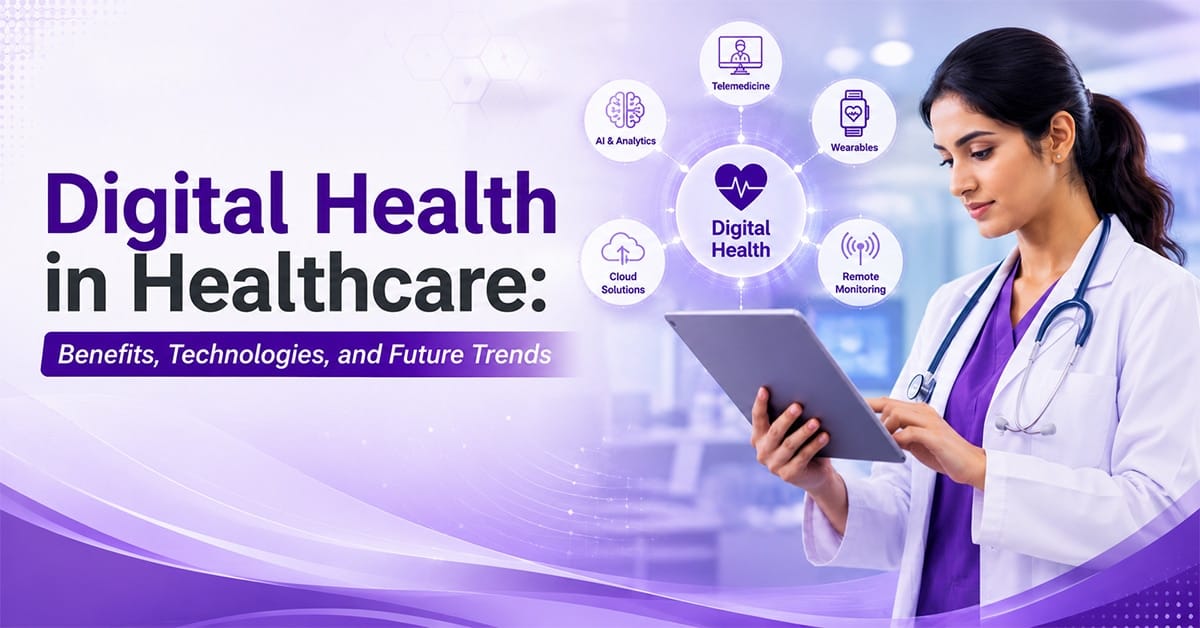
Healthcare leaders face unprecedented pressure. Rising patient expectations, workforce shortages, increasing operational costs, and growing regulatory demands continue to challenge hospitals and healthcare systems worldwide. At the same time, patients expect the same seamless digital experiences from healthcare providers that they receive from banks, retailers, and airlines. These challenges have accelerated the adoption of digital health initiatives across the healthcare sector. Organisations now invest heavily in healthcare digital transformation programmes to improve care quality, increase operational efficiency, and strengthen financial performance. Today’s healthcare leaders no longer view technology as a support function. They recognise digital transformation in healthcare as a strategic business priority that directly influences patient outcomes, organisational resilience, and long-term competitiveness. The Growing Urgency for Healthcare Digital TransformationSeveral global trends continue to drive healthcare digital transformation across hospitals and healthcare networks. Healthcare providers now manage larger volumes of patient data than ever before. Clinicians require immediate access to accurate information to make informed decisions. Patients expect digital appointment booking, virtual consultations, online prescriptions, and personalised care experiences. Simultaneously, healthcare organisations must address staff shortages, rising operational expenses, and increasing compliance requirements. These factors create a strong business case for healthcare technology solutions that streamline workflows and improve productivity. Forward-thinking healthcare organisations increasingly collaborate with leading digital health companies to modernise clinical and administrative operations. These partnerships help providers create sustainable and scalable models of care. Understanding Digital Health Beyond TelemedicineMany people associate digital health solely with telemedicine. However, modern digital health encompasses a much broader ecosystem of technologies that support care delivery, clinical decision-making, and organisational management. Key components include:Electronic Medical Records (EMR)Electronic Health Records (EHR)Telemedicine platformsRemote patient monitoringArtificial intelligence toolsClinical analytics systemsWearable health devicesMobile health applicationsInteroperability frameworksTogether, these technologies create integrated digital health platforms that support connected, patient-centred care. Healthcare organisations that embrace digitalisation in healthcaregain greater visibility across clinical operations while improving coordination between departments, physicians, and patients. Also Read –How Digital Health Technologies Are Redefining Patient Care Worldwide – Ezovion. Why Digital Health Matters for Healthcare Leaders• Better Clinical Outcomes Through Data-Driven CareOne of the greatest advantages of digital health lies in its ability to provide clinicians with real-time access to patient information. Integrated records reduce duplication, improve diagnostic accuracy, and support faster clinical decisions. When healthcare teams access a unified patient history, they can deliver more personalised and effective treatment plans. The adoption of connected healthcare systems enables providers to share critical information across departments and care settings, creating a more coordinated patient experience. • Improved Operational EfficiencyHealthcare organisations often struggle with fragmented workflows and administrative bottlenecks. Modern healthcare technology solutions automate routine processes such as scheduling, billing, claims management, documentation, and patient communication. These improvements allow healthcare professionals to focus more time on patient care. Hospitals that invest in digital transformation in healthcare consistently report shorter waiting times, reduced administrative burdens, and improved staff productivity. • Enhanced Financial PerformanceHospital executives increasingly evaluate technology investments through measurable business outcomes. The following table illustrates the financial impact commonly achieved through healthcare digitisation initiatives. Operational MetricBefore Digital TransformationAfter Digital TransformationImprovementAppointment No-Show Rate18%9%50% ReductionBilling Accuracy85%97%14% IncreaseAverage Patient Wait Time42 Minutes21 Minutes50% ReductionClaims Processing Time14 Days6 Days57% ReductionStaff Productivity Index10012828% IncreaseThese improvements demonstrate why healthcare executives continue to prioritise healthcare digital transformation initiatives. The Technologies Reshaping Digital Health in 2026Artificial Intelligence and AI Healthcare SolutionsArtificial intelligence now sits at the centre of healthcare innovation. Modern AI healthcare solutions help organisations analyse large volumes of clinical data, identify trends, predict risks, and support clinical decision-making. Healthcare providers increasingly deploy AI in healthcare to improve:Clinical documentationDiagnostic supportPopulation health managementPatient triageRevenue cycle managementPredictive care planningAs adoption accelerates, AI healthcare solutions continue to deliver measurable improvements in efficiency and care quality. Cloud-Based Healthcare Technology SolutionsCloud technology has transformed how healthcare organisations deploy and manage digital infrastructure. Modern healthcare technology solutions built on cloud platforms offer:Greater scalabilityEnhanced securityLower infrastructure costsFaster deploymentImproved disaster recoveryCloud-native architectures also support seamless integration between multiple systems, creating highly efficient connected healthcare environments. Interoperability and Connected HealthcareHealthcare organisations often struggle with data silos. Interoperability enables systems to exchange information securely and accurately across departments, facilities, and care networks. Successful digitising healthcare initiatives depend heavily on interoperability because connected systems improve care coordination, reduce duplicate testing, and enhance patient experiences. Many leading digital health companies now prioritise interoperability as a core feature of their solutions. Also Read –Wearable Wonders And Virtual Care: The Dawn Of Digital Health – Ezovion. Measuring the Impact of Digital Health TechnologiesThe clinical and operational benefits of healthcare technology continue to grow. Digital Health TechnologyTypical Adoption Rate (2025)Expected Adoption Rate (2028)Telemedicine Platforms68%82%AI Clinical Tools34%71%Remote Patient Monitoring29%64%Cloud-Based EHR Systems57%85%Predictive Analytics Platforms31%69%These figures highlight the rapid pace of digitalisation in healthcare and the increasing role of intelligent technologies in modern care delivery. The healthcare industry now views technology not simply as an operational enabler but as a strategic driver of growth and innovation. How Digital Health Is Transforming the Entire Patient JourneyHealthcare organisations now recognise that exceptional care extends far beyond the hospital walls. Every interaction, from appointment scheduling to post-discharge follow-up, influences patient satisfaction and clinical outcomes. • Before the Consultation: Digital EngagementPatients increasingly expect digital convenience throughout their healthcare journey. Online appointment booking, digital registration, automated reminders, and secure patient portals improve accessibility while reducing administrative workloads. These capabilities also strengthen patient engagement and increase attendance rates. • During Clinical Care: Intelligent Decision SupportModern clinicians rely on integrated data to make timely and informed decisions. By combining digital health systems with AI healthcare solutions, hospitals gain real-time clinical insights that improve diagnosis, treatment planning, and care coordination. These technologies also reduce documentation time and allow clinicians to spend more time with patients. • After Discharge: Continuous Connected CareThe patient journey does not end at discharge. Remote patient monitoring, virtual follow-up consultations, and personalised care plans help providers monitor recovery, reduce readmissions, and improve long-term outcomes. These capabilities demonstrate how digital in healthcare continues to reshape patient-centred care beyond traditional hospital settings. Also Read –How Digital Platforms Are Reshaping Surgical Operations – Ezovion. The Challenges Slowing Digital Transformation in HealthcareAlthough the benefits remain compelling, many organisations still encounter barriers during implementation. • Legacy SystemsOutdated applications often prevent seamless data sharing across departments. Hospitals must replace fragmented systems with interoperable digital health platforms that support enterprise-wide collaboration. • Cybersecurity and ComplianceHealthcare organisations manage highly sensitive patient information. Strong governance, encryption, identity management, and continuous monitoring protect clinical data while ensuring regulatory compliance. • Workforce ReadinessSuccessful digitising healthcare requires more than technology investment. Healthcare leaders must build digital capabilities, provide continuous staff training, and encourage organisational change. • Budget and Return on InvestmentExecutives expect measurable outcomes from every investment. Organisations that adopt phased implementation strategies often achieve faster returns while minimising operational disruption. Future Trends Shaping Digital HealthThe next generation of digital health will extend far beyond digital record keeping. AI Agents Supporting Clinical TeamsAI-powered virtual assistants will automate appointment scheduling, clinical documentation, coding, patient communication, and administrative workflows, allowing healthcare professionals to focus on higher-value clinical activities. Ambient Clinical IntelligenceVoice-enabled technologies will capture consultations automatically, generate structured clinical notes, and reduce physician documentation burden. Predictive Population HealthAdvanced analytics will identify high-risk patients before complications arise, enabling preventive interventions that improve outcomes while reducing costs. Virtual Care EcosystemsHealthcare providers will combine physical services with digital consultations, remote monitoring, and personalised treatment plans to deliver continuous care. Sustainable Smart HospitalsFuture smart hospitals will optimise energy consumption, automate asset management, and improve resource utilisation through intelligent infrastructure and predictive analytics. These innovations demonstrate how AI in healthcare and intelligent automation will continue transforming healthcare delivery over the coming decade. Conclusion: Digital Health Is Shaping the Future of HealthcareHealthcare leaders no longer question whether they should invest in digital health. The real question focuses on how quickly they can implement the right strategy. Successful healthcare digital transformation empowers organisations to improve clinical outcomes, optimise operational efficiency, strengthen financial performance, and deliver exceptional patient experiences. Organisations that embrace digital transformation in healthcare today will lead tomorrow’s healthcare landscape. They will create connected, intelligent, and patient-centric ecosystems powered by advanced healthcare technology solutions and innovative AI healthcare solutions. The future belongs to healthcare providers that invest in innovation, empower clinicians with intelligent technologies, and place patients at the centre of every digital initiative. References:Digital Transformation Of Healthcare Sector. What Is Impeding Adoption And Continued Usage Of Technology-driven Innovations By End-users?–Science DirectThe Role of Artificial Intelligence in Modern Healthcare: Advances, Challenges, and Future Prospects–European Journal of Cardiovascular MedicineArtificial Intelligence In Healthcare And Medicine: Clinical Applications, Therapeutic Advances, And Future Perspectives–PubMedArtificial Intelligence for Clinical Prediction: Exploring Key Domains and Essential Functions–Science DirectRevolutionizing Healthcare: The Role Of Artificial Intelligence In Clinical Practice–Springer Nature