Do Dual Citizens Need Private Health Insurance in Italy?
Posted on August 9th, 2026byMontana FarmerDo Dual Citizens Need Private Health Insurance in Italy?A few days ago, a member of our community asked a deceptively simple question:“Do dual citizens need private. . .
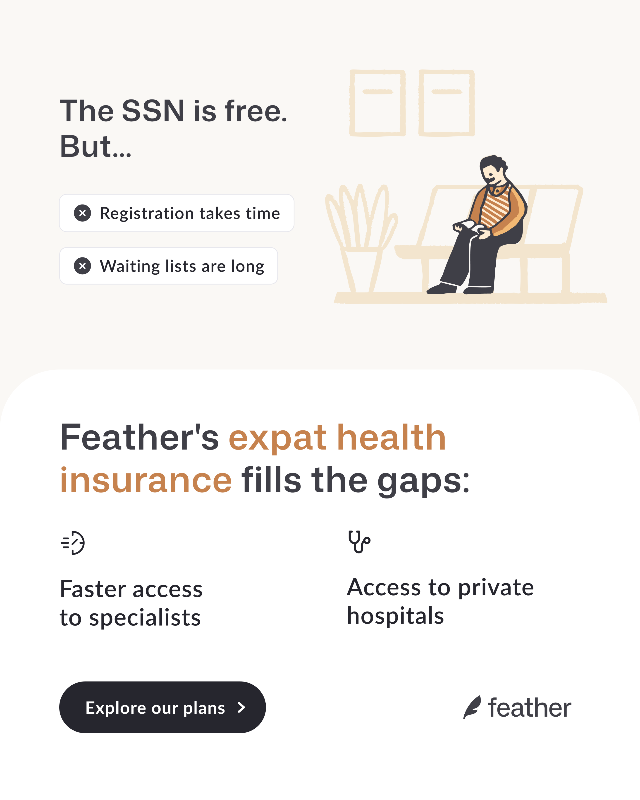
Posted on August 9th, 2026byMontana FarmerDo Dual Citizens Need Private Health Insurance in Italy?A few days ago, a member of our community asked a deceptively simple question:“Do dual citizens need private health insurance in Italy?”The short answer is no—but the reality is more nuanced. Whether you hold Italian citizenship by birth, throughjure sanguinis (by descent), or by naturalization, understanding how the Italian healthcare system works and where private insurance fits in can save you time, money, and frustration. What the Law Actually SaysUnder Italian law, all citizens who are residents in Italy have the right to enroll in the Servizio Sanitario Nazionale (SSN), the country’s public healthcare system. Healthcare in Italy is considered a constitutional right, and the SSN is designed to provide comprehensive medical coverage to all Italian citizens and legal residents. If you are an Italian citizen with established residency—meaning you hold acertificato di residenzafrom your local municipality orcomune—you are entitled to register with your local health authority, known as the ASL (Azienda Sanitaria Locale). Once registered, you are assigned a general practitioner (medico di base) and receive a health card (tessera sanitaria). Registration for citizens is free, and the SSN covers general practitioner visits, specialist referrals, hospitalization, emergency care, and prescription medications. In other words, as a resident Italian citizen, you are not legally required to carry private health insurance in Italy. The SSN Registration ProcessTo enroll in the SSN as a citizen, you will typically need yourcodice fiscale(Italian tax code), proof of identity such as a passport orcarta d’identità, and your officialcertificato di residenza. For dual citizens who recently relocated, obtaining residency can take time. You must first register with theAnagrafe(registry office) at your local town hall, which typically requires certified documents, proof of housing such as a rental contract or property deed, proof of financial self-sufficiency, and identity documents. If you need assistance gathering or certifying your paperwork, explore ourDocument Review & Immigration Servicesbefore you make the move. Need Help Navigating Italian Citizenship Documents or Residency?We specialize in helping dual citizens organize their legal paperwork, apostilles, and municipal registrations effortlessly. Get a Free ConsultationWhy Dual Citizens Still Buy Private Health Insurance in ItalyIf the SSN is free and comprehensive, why do so many dual citizens still consider—or keep—private health insurance in Italy? The answer comes down to practicality, timing, and lifestyle. First, there is the transition gap. SSN registration is not instantaneous. Between arriving in Italy, securing housing, registering residency at thecomune, obtaining yourcodice fiscale, and finally visiting the ASL, weeks or even months can pass. During this period, you are uninsured unless you hold a private policy. Second, wait times and language access play a major role. While the SSN provides excellent care, non-urgent specialist appointments and diagnostic imaging can involve public waitlists stretching from weeks to months. Private insurance allows you to bypass queues and access private clinics quickly. Additionally, not every public hospital or ASL office has English-speaking staff, whereas private insurers marketed to expats provide English customer support, digital portals, and networks of English-speaking doctors. Finally, coverage scope and international travel matter. Dental care, routine vision care, and elective treatments are generally excluded or only partially subsidized under public healthcare. Furthermore, many dual citizens split time between countries without year-round residency, meaning they cannot access free SSN care. For tailored guidance on structuring your move, consult ourRelocation Consultation Services. When Private Health Insurance in Italy Makes the Most SensePrivate coverage is most valuable for dual citizens during in-transit relocations while waiting for formal residency approval, or for part-time residents who split their time internationally and lack official year-round Italian residency. It is also ideal for those who prefer immediate specialist access, English-language digital management, or comprehensive coverage for dental, vision, and global travel needs. The Bottom LineAs an Italian citizen, you are not legally required to purchase private health insurance in Italy once residency is established. However, carrying private coverage—whether as a temporary bridge during relocation or a long-term supplement—provides peace of mind and flexibility that the public system alone cannot match. Recommended PartnerBridging the Healthcare Gap? We Trust FeatherNavigating public healthcare bureaucracy during a move can take months. We recommendFeatherbecause they provide 100% digital, visa-compliant health insurance with full English support—giving you instant peace of mind while you wait for your official SSN registration.