Europe Intelligence Brief — Wednesday, July 1, 2026
Europe Intelligence Brief for Wednesday: the second half opened with governing turning from debate to delivery. Germany's reforms took effect as its coalition met on tax and pensions, Poland's inflation fell back to target on cheaper fuel, and Spain's prices stayed stuck.
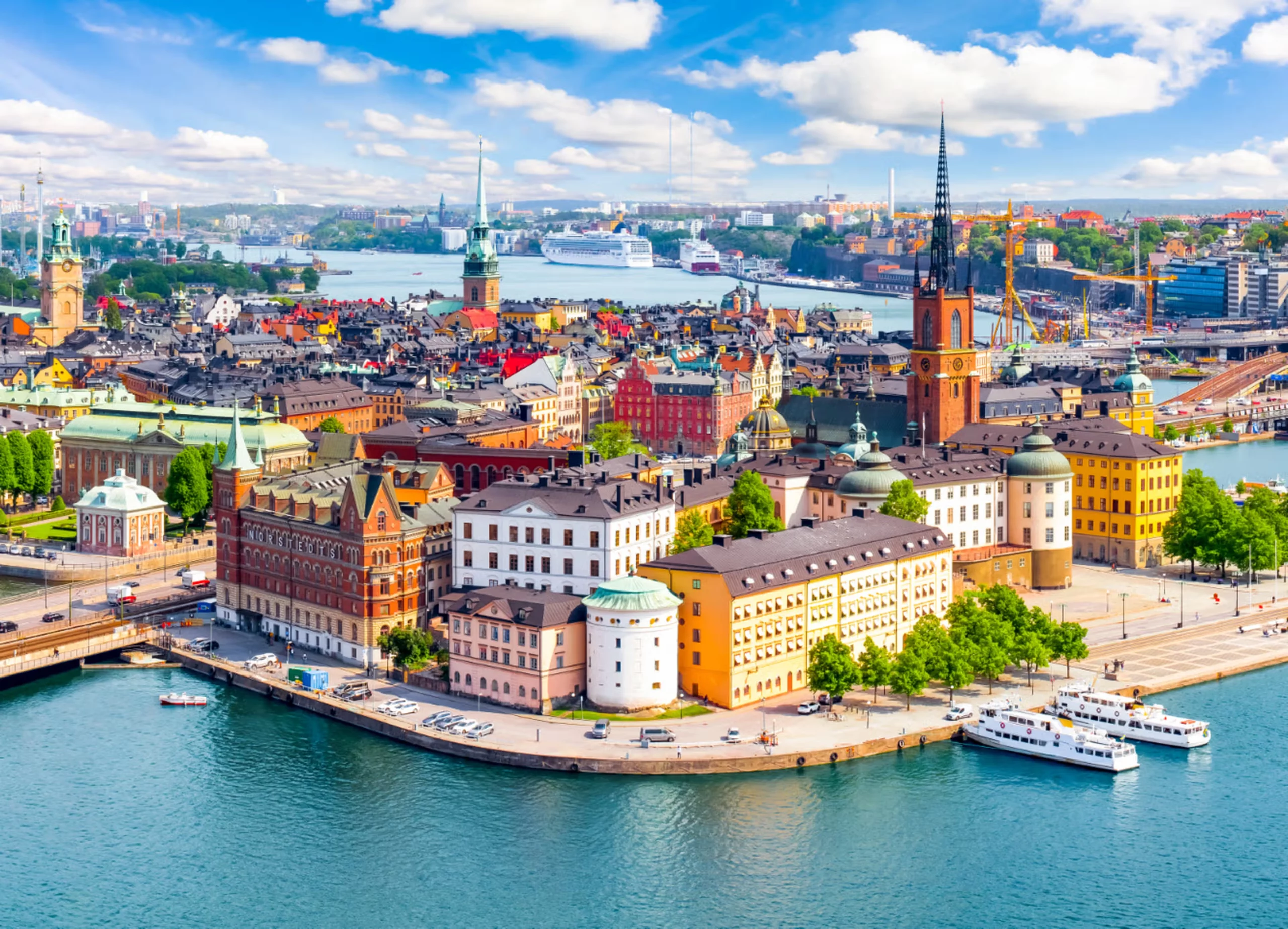
This Wednesday opened the second half of the year, and governing turned from debate into delivery. In Germany, a wave of new rules took effect as the governing coalition met for possibly decisive talks on tax, work, and pensions. Elsewhere the mood was lighter, as a falling oil price let inflation ease in Poland even while it stayed stubbornly stuck in Spain. From Berlin to Warsaw to Madrid, the day’s theme was a single one: promises meeting the calendar as a new half began. Today’s Europe Intelligence Briefcovers the region’s economy and politics, country by country. We pulled it together from major European outlets in German, French, Italian, Spanish, Dutch, Polish, and English. Germany — The New Half’s ReckoningThe Rules Take EffectA raft of new rules came into force in Germany this Wednesday. Welfare grew stricter, and its rules on work and payments were reshaped. Pensions rose by more than four percent for millions of retirees. Care-workers, too, won higher minimum pay from the same day. A Coalition Forced To DecideOn the same day, the governing coalition met for decisive reform talks. Tax relief, the labour market, and health were all on the table. The mood was of a government pressed, at last, to make hard choices. The season of promises was giving way to a season of results. Poland — The Squeeze BreaksBack To TargetPoland’s inflation fell back to its central bank’s target this month. It was the second month running that prices surprised on the low side. A sharp drop in the cost of fuel did much of the work. Crude sliding from over a hundred dollars eased the pressure fast. From Hikes To CutsThe relief turned the market’s talk from rate rises toward possible cuts. Weeks earlier, investors had feared the opposite. A fast-growing economy found the oil-shock fear receding. The weight that had gripped households began, genuinely, to lift. Europe Intelligence Brief — Wednesday, July 1, 2026. (Photo Internet reproduction)Spain — Prices Refuse To EaseStubbornly StuckSpain’s inflation stayed the stickiest among the big economies. It refused to ease as prices had just begun to in Poland. The contrast underlined how unevenly relief arrives acrossEurope. The same month brought easing to some and none to others. Growth Without ReliefSpain has outpaced the bloc on growth for many quarters now. Yet its households feel little of that strength in their budgets. Stuck prices sting all the more against such a strong headline. The star performer’s people wait for a relief that has not come. Italy — Discipline And Low GrowthA Credible LedgerItaly has cut its deficit sharply over the past three years. It fell from eight percent of output toward the European limit. The discipline won Rome real credibility in Brussels. Its debt, long a worry, edged down from towering heights. The Price Of DisciplineBut the tidy books masked an economy stuck in low gear. Growth stayed anaemic, and industry slowly eroded. The country leaned on European recovery funds to stay afloat. Assainised on paper, it remained dependent on outside help. France — The Fragile CalmA Rare StabilityNew family-leave rules took effect in France this Wednesday. A small delivery from a government that has struggled to govern. Its minority administration held a rare, budget-won stability. The long fight over the budget had, for now, quietened. Borrowed TimeThe calm rests on borrowed time as the 2027 race draws near. A tired government spends its energy on simply surviving. Bold reform remains beyond a fractured parliament’s reach. Stability, not ambition, is the most it can offer for now. Netherlands — The Caretaker’s WaitGoverning In LimboThe Netherlands governed in caretaker mode again this week. Big reforms waited on a government with a fresh mandate. Its prices cooled gently toward the wider continental trend. The economy stayed steady, open, and quietly capable. Marking TimeA caretaker cabinet can manage but cannot boldly reshape. The country idles until its politics settle once more. The wait is orderly, in the practical Dutch fashion. But the pause has a cost in reforms left undone. Sweden — The Watchful HoldA Cautious ReadSweden’s central bank held its interest rate steady this cycle. But it leaned toward a possible rise later in the year. It read the same energy shock as its neighbours across Europe. Yet it drew a more cautious conclusion from the risk. A Northern OutlierWith its own currency, Sweden charts its own careful course. Lingering price pressure keeps its finger near the trigger. Where others see relief, it still sees a risk worth guarding against. The hold is watchful, not relaxed. The Region — An Energy ReprieveA Falling Oil PriceA falling oil price gave the continent’s importers a reprieve. It was the very force that eased Poland’s inflation this week. It is carried here as a single neutral line, a matter of prices, not war. The relief lands across economies that buy energy abroad. An Echo Still LingersThe earlier energy shock still echoes in this month’s figures. Its effects fade slowly rather than all at once. For a continent watching inflation, even a small drop helps. It is the quiet good fortune beneath a new half-year. The ReadThe continent opened a new half-year by turning promises into delivery, and how each country fared told us much about its character. A new half is where promises come due, and a government shows what it meant on the morning a rule takes effect. In Germany a raft of reforms took effect as the coalition met to decide the harder ones, while in Poland a falling oil price handed households genuine relief as inflation fell back to target. Yet the easing was uneven, asSpain‘s prices stubbornly refused to fall and Italy’s tidy deficit masked an economy stuck in low gear. Beneath it all, a falling oil price was the continent’s quiet good fortune, the shock that drove prices up for months beginning to fade. The lesson of the day was a familiar one: a government is judged not by what it promises, but by what it delivers. What to WatchToday · Germany’s welfare reform, pension rise, and care-wage increases all take effectToday · Germany’s governing coalition meets for possibly decisive talks on tax, work, and pensionsToday · Poland’s inflation falls back to its 2. 5% target as fuel prices drop sharplyRecent · Spain’s inflation stays the stickiest of the big economies at about 3. 6%Ongoing · Italy’s sharp deficit cut wins credibility but masks a low-growth economyToday · France’s new family-leave rules take effect under a fragile minority governmentJuly 8 · Poland’s central bank meets as the easing reshapes the rate pathToday · A falling oil price eases costs across the continent’s energy importers