Europe widens biomanufacturing gap between EU and US
Millie Hoe,Reporter, BioProcess InternationalJuly 15, 20262 Min ReadEarlier this month, data analytics and consulting firm GlobalDatareleased a reportciting an increasingly widening biomanufacturing gap. . .
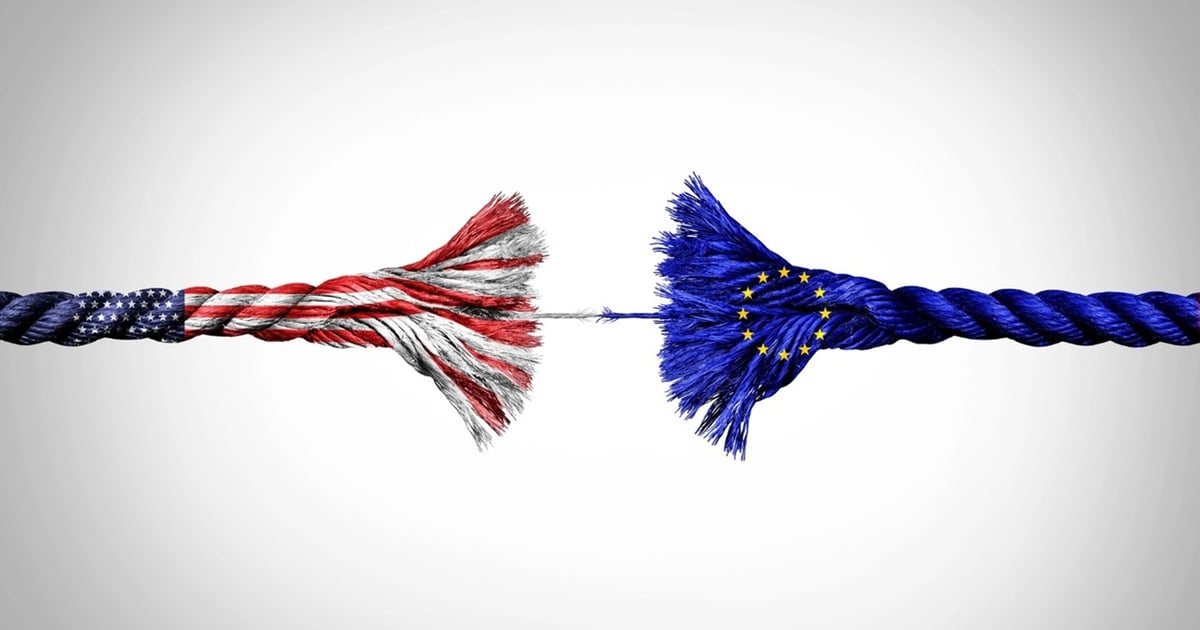
Millie Hoe,Reporter, BioProcess InternationalJuly 15, 20262 Min ReadEarlier this month, data analytics and consulting firm GlobalDatareleased a reportciting an increasingly widening biomanufacturing gap between the US and the EU. The outsourcing of manufacturing of approved drugs and biosimilars has recently shifted more to European sites with the US lagging behind. “Although dose outsourcing of newly approved drugs to the US and Europe has fluctuated over the past decade, the gap between the two regions was at its widest in 2025,” said Katia Djebbar, pharmaceutical analyst at GlobalData. “2026 looks set to extend that picture of biopharma’s strategic preference for European outsourcing facilities. ”According to GlobalData, last year over 50% of new drugs had manufacturing contracts with European facilities, double the amount since 2023. In contrast, US growth has stagnated since 2024, with a share of about 18% of newly approved drug manufacturing contracts. Related:BPI's mid-year report highlights 2026 biotech trendsEuropean bio-manufacturing facilities have maintained the lead in the widening gap with the US since 2018. GlobalData cites incentivizing tax benefits as one of Europe’s advantages in drawing manufacturers. “Ireland increased its Research and Development (R&D) Corporation Tax Credit to 35%,” Djebbar said. “Germany also offers a generous R&D tax credit of 25–35%. By contrast, the US offers companies an Alternative Simplified Credit of between 6% and 14%. ”Recently, the US government has made significant policy changes to encourage the onshoring of pharmaceutical manufacturing amidrising costsandworsening shortages. This includes harsher measures, including Trump’s threats of 100% pharmaceuticaltariffs for companiesunwilling to onshore domestic manufacturing. In contrast, Europe continues to expand its biomanufacturing footprint to new territories. Lithuaniahas beenincreasing its biotech partnerships with the US with facilities free of corporate tax for 10 years. Europe has also beenleveraging Irelandas a biotech hub, with corporations such as WuXi Biologics building large manufacturing sites there. About the AuthorReporter, BioProcess InternationalMillie Hoe is a life sciences reporter for BioProcess Insider and BioXconomy, covering biomanufacturing, modalities and partnering and investment. She has a strong scientific background in biomedical sciences and healthcare, recently completing her Masters of Science (MSc) earlier this year.