Europe's new travel permit may be delayed again. Here's what Canadians need to know
Skip to ContentTravel CanadaTravel USATravel InternationalCruisesTravel EssentialsPuzzmoContestsAdvertisingAdvertising With UsAdvertising SolutionsPostmedia Ad ManagerSponsorship RequestsProfileSettingsMy. . .
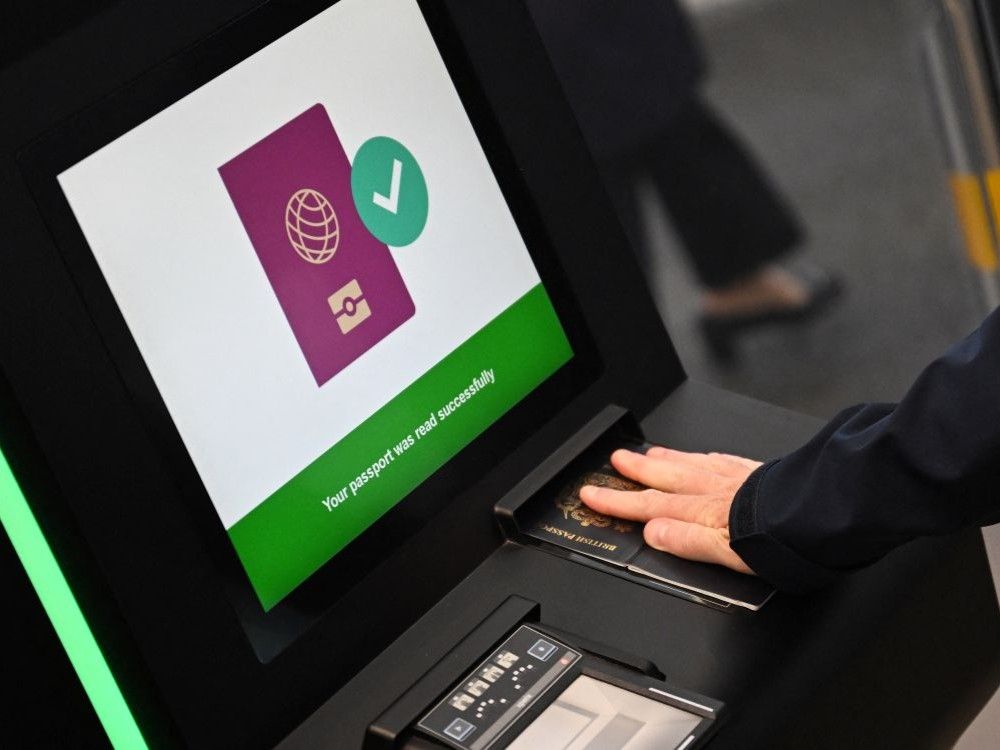
Skip to ContentTravel CanadaTravel USATravel InternationalCruisesTravel EssentialsPuzzmoContestsAdvertisingAdvertising With UsAdvertising SolutionsPostmedia Ad ManagerSponsorship RequestsProfileSettingsMy OffersNewslettersCustomer ServiceFAQTravel CanadaTravel USATravel InternationalCruisesTravel EssentialsPuzzmoContestsTravel GuideTravelTravel InternationalTravel NewsEurope's new travel permit may be delayed again. Here's what Canadians need to knowThe ETIAS travel authorization could be pushed into 2027, but travellers still face new border procedures this summerPublished Jul 20, 2026•3 minute readA person has their passport scanned whilst using an automated European Union Entry/Exit System kiosk. Photo by JUSTIN TALLIS/GETTY IMAGESReviews and recommendations are unbiased and products are independently selected. Postmedia may earn an affiliate commission from purchases made through links on this page. If you’re flying to Europe this year, budget extra time at passport control, and don’t count on a new pre-travel permit to simplify anything anytime soon. Europe’s long anticipated ETIAS travel authorization may be hitting another speed bump. The European Union has not officially postponed the online travel permit, but according to reporting by theFinancial Times, officials are increasingly resigned to the fact that a late 2026 launch is unlikely. Insiders expect a decision on a revised date, likely pushing into 2027, to come after a September meeting of eu-LISA, the EU agency responsible for the technology behind both ETIAS and the Entry/Exit System (EES). In the meantime, officials appear focused on sorting out problems with the new EES, which has already caused lengthy waits at some border crossings. A bumpy rolloutSince the European Union’s Entry/Exit System (EES) rolled out in October 2025, manual passport stamps have gradually been replaced by a digital record. Unlike ETIAS, which will eventually require travellers to apply online, EES registration takes place at the border when travellers first enter the Schengen Area. When Canadians enter the Schengen Area under EES for the first time, border officers collect a facial image and fingerprints to create a biometric record. That record remains valid for multiple trips for three years or until the passport expires, whichever comes first. During that period, travellers only need to verify their identity rather than repeat the process. The new border process has had plenty of growing pains. In July, Airlines for Europe, Airports Council International Europe and the International Air Transport Association warned the European Commission the system had reached what they called “a critical point,” citing border waits of up to five hours during peak summer travel periods. Plan your next getaway with Travel Time, featuring travel deals, destinations and gear. By signing up you consent to receive the above newsletter from Postmedia Network Inc. A welcome email is on its way. If you don't see it, please check your junk folder. The next issue of Travel Time will soon be in your inbox. We encountered an issue signing you up. Please try againSeveral EU countries have asked the European Commission for greater flexibility as airports work through the new procedures. So far, however, Brussels has shown no sign of pausing the system. What that means at the airportAir Canada is advising customers to allow extra time for customs, immigration and passport control when entering or leaving the European Union. Not every airport has self-serve kiosks yet, so even travellers who already registered their biometrics may still face a wait during busy periods. For those airports that do offer self-serve kiosks, Canadian passport holders, along with anyone holding a passport with a biometric chip, can begin the process electronically before seeing a border officer. Elsewhere, the entire registration takes place at passport control. Travellers connecting through Europe are advised to head directly to passport control after landing to avoid missing their next flight. What about ETIAS?Until the ETIAS launch, nothing is required of travellers in advance. Before travelling, check the Government of Canada’s Travel advice and advisories for your destination. While ETIAS and EES are EU-wide systems, countries can still have their own entry requirements, security measures or travel advisories. Once ETIAS does launch, it will apply to visa-exempt travellers from Canada, the U. S. , the U. K. and Australia visiting any of 30 European countries. The fee is 20 euros; children under 18 and adults over 70 are exempt from paying, though they still need to apply. The authorization will remain valid for three years, or until the passport expires, whichever comes first, just like EES. Most applications are expected to be approved within minutes, although some that require additional review could take longer. Expect to register your biometrics on your first entry into the Schengen Area and allow extra time if you’re connecting to another flight. The first queue of your European vacation just might be the longest one. Unless you’re visiting the Louvre. Miss a flight because of Europe’s new border system? Here’s what happens next10 destination swaps for travellers who want to stay in Canada this summerJoin the ConversationTravelTravelTravelTravelTravelThis website uses cookies to personalize your content (including ads), and allows us to analyze our traffic. Read more aboutcookies here. By continuing to use our site, you agree to ourTerms of UseandPrivacy Policy.