Fibremaxxing: The simple diet trend that could transform your gut health
Dietary fibre is a type of carbohydrate found in plant foods that the body cannot fully digest. Instead, it passes through the digestive system, helping to keep the bowels moving regularly and feeding the. . .
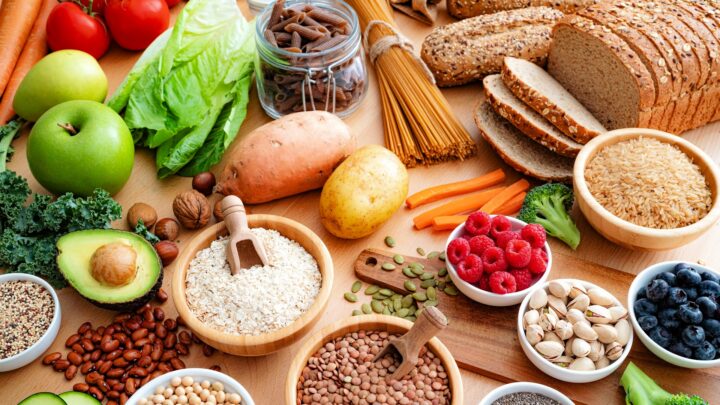
Dietary fibre is a type of carbohydrate found in plant foods that the body cannot fully digest. Instead, it passes through the digestive system, helping to keep the bowels moving regularly and feeding the beneficial bacteria that live in the gut. Health experts have long recommended eating plenty of fibre, but many Australians fall short of the daily target. According to dietary guidelines, adults should aim for around 25 to 30 grams of fibre each day, although many people consume considerably less. How does it work?The idea behind fibremaxxing is simple: build meals around foods naturally rich in fibre. Common fibre-rich foods include:Oats and wholegrain cerealsLentils, chickpeas and beansFruit, particularly apples, pears and berriesVegetables such as broccoli, carrots and leafy greensNuts and seeds, including chia and flaxseedsWholemeal bread, brown rice and quinoaFibre works in several ways. Some types absorb water and help soften stools, while others add bulk to waste moving through the digestive tract. Certain fibres also act as prebiotics, feeding healthy gut bacteria that play an important role in digestion, immunity and overall wellbeing. Potential health benefitsA higher-fibre diet has been linked to a range of health benefits. Improved digestion is one of the most noticeable effects. People who increase their fibre intake often report more regular bowel movements and fewer digestive complaints such as constipation. Fibre may also help people feel fuller for longer, which can support healthy weight management. Because many fibre-rich foods take longer to digest, they can reduce the urge to snack between meals. Research has also associated higher fibre intake with a lower risk of heart disease, type 2 diabetes and certain bowel conditions. Some studies suggest a diverse, fibre-rich diet may support a healthier gut microbiome, which is increasingly recognised as an important factor in overall health. Are there any downsides?While fibremaxxing may sound like a health win, experts recommend increasing fibre gradually rather than dramatically overnight. A sudden jump in fibre intake can cause bloating, gas and abdominal discomfort, particularly for people who are not used to eating large amounts of plant-based foods. It’s also important to drink enough water. Fibre absorbs liquid, and without adequate hydration it can actually worsen constipation. People with certain digestive conditions, including irritable bowel syndrome (IBS), may need to be selective about the types of fibre they consume and should seek personalised advice from a healthcare professional. The bottom lineUnlike many nutrition trends that promise quick fixes, fibremaxxing is based on a well-established principle: most people would benefit from eating more fibre.