Ford to reshore Lincoln Nautilus production from China to US | Automotive World
Ford openly admits it is bowing to US Commerce Department pressure, but it will take time for a concrete plan to emerge. By Stewart BurnettFord will stop importing the Lincoln Nautilus from China, the only. . .
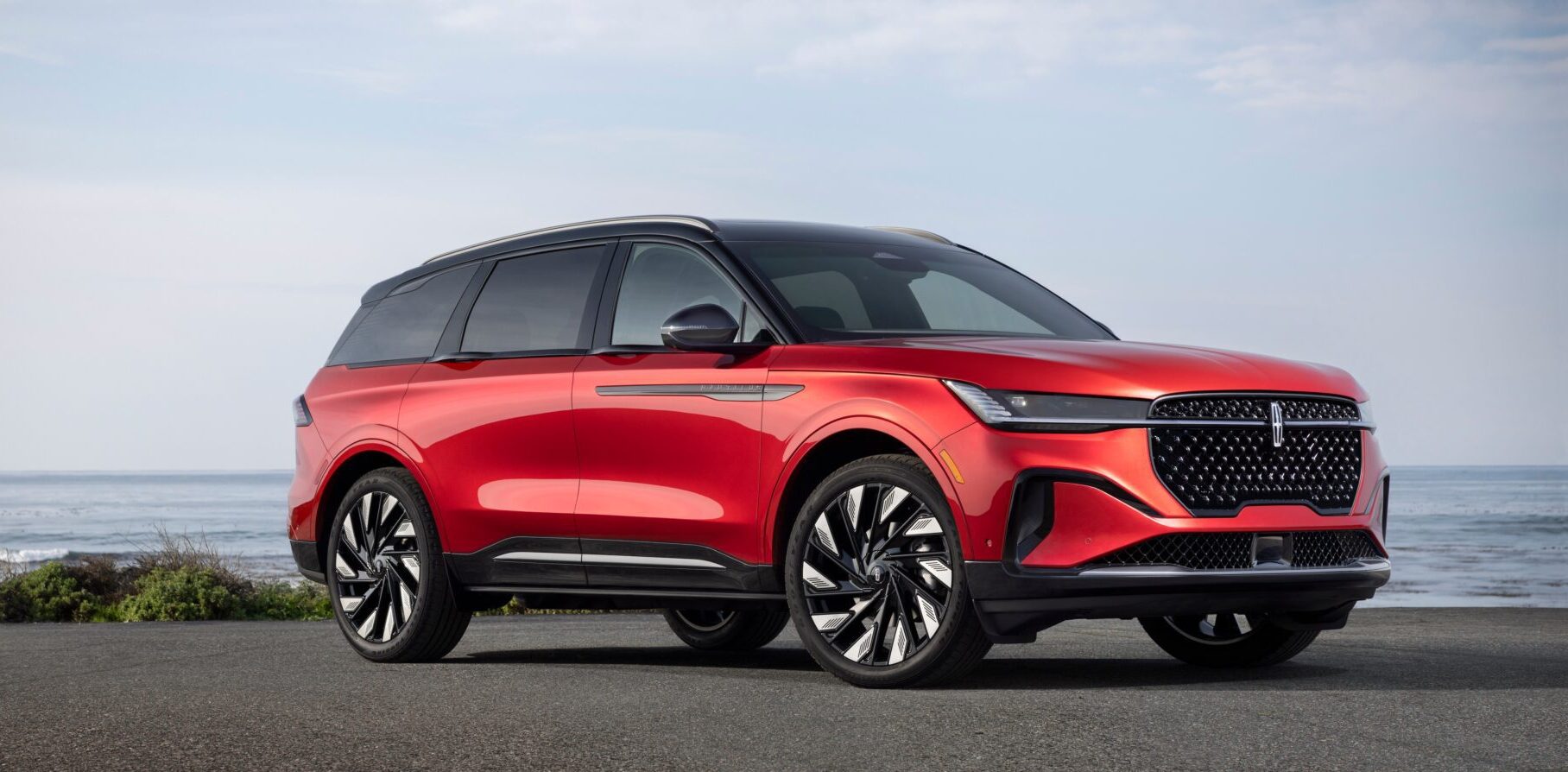
Ford openly admits it is bowing to US Commerce Department pressure, but it will take time for a concrete plan to emerge. By Stewart BurnettFord will stop importing the Lincoln Nautilus from China, the only model it currently ships into the US from the country, shifting production to American plants beginning in 2030. Chief Executive Jim Farley characterised the decision as being difficult but necessary—a bid to strengthen Ford’s domestic manufacturing base—in aReutersjoint interview with Commerce Secretary Howard Lutnick. Like so many automotive manufacturing decisions made since President Trump returned to office, tariffs underpin much of the shift’s logic. As it stands, the Nautilus currently faces a 52. 5% duty on entry to the US, combining the baseline 2. 5% passenger car tariff with layered Section 301 industrial levies—a rate steep enough to erase whatever cost advantage originally justified building the SUV in Hangzhou. The vehicle is manufactured through Ford’s joint venture with Chongqing-state-owned automaker Changan. “We made this decision as soon as the policy of the administration was set,” Farley said. “We knew exactly what they wanted to do, and we knew exactly what it meant for Ford. ”Ford began importing the Nautilus from China fairly recently—it only started in 2024—citing at the time a lack of available North American capacity. The Ontario plant that previously assembled the model was subsequently retooled to support other vehicles. In practice, this means Ford will need to secure new domestic capacity before production can begin, which would explain why the shift will not take effect for another four years. A separate regulatory issue has been resolved alongside the tariff decision, but was not the deciding factor. Ford had previously sought authorisation from the Commerce Department to keep selling the Nautilus when new rules governing connected car technology take effect in 2027. Under the regulation, Chinese-developed software and hardware will be banned in US-sold vehicles. Ford says it no longer needs to worry about exposure to US connected car software rulesFord’s argument was that the SUV’s software was developed domestically, but installed in China. The argument issimilarto the one made successfully by Waymo as it sought to import Zeekr-made vehicles into the US to serve as the base for its next-generation robotaxi, the Ojai. Ford now says the Nautilus no longer needs that authorisation, although Farley emphasised that tariffs—not technology restrictions—as the more decisive factor behind relocating production. By Ford’s own standard, the Nautilus is a modest seller targeting a fairly particular premium niche. The automaker sold roughly 34,000 units in the US during 2025, which contrasts sharply against the nearly 829,000 F-series pick-ups it sold. The mid-2026 numbers showed little momentum either: Ford sold 20,050 Nautilus vehicles through July, down 5. 7% year-on-year, although it remains Lincoln’s best-selling model this year regardless. Lincoln already has a meaningful US manufacturing base to build on. The brand assembles the Navigator at a plant in Louisville, Kentucky, and the Aviator at Chicago Assembly Plant, exporting both to Canada, Mexico and the Middle East. Ford has not disclosed which plant will take on Nautilus production, or how many jobs the shift will create. General Motors reached a similar conclusion on its own China-built model, announcing plans to move Buick Envision production to the US starting in 2028, which would suggest that the Detroit Three are independently arriving at the same read on Chinese production economics under current trade policy. Separately, a US Senate Commerce Committee proposal advanced in July would bar automakers more than 15% owned by Chinese entities from selling vehicles in the US at all, a measure thatwould affectMercedes-Benz if it becomes law. Meanwhile the Lincoln Z, a midsize sedan built in China through the same Changan joint venture but sold only there, has no confirmed production plan going forward. This would indicate that the reshoring effort is being recalibrated model-by-model against US market exposure, more so than a wholesale retreat from Chinese export production.