From Workspace To Living Space: Creating A Home That Supports Business And Life - Onya Magazine
Working from home can offer freedom, fewer interruptions, and an enviably short commute. It can also leave a laptop permanently open on the dining table and make the living room feel suspiciously like an office with better cushions. The challenge is rarely a simple lack of space. More often, it is a lack of boundaries. When professional and personal life share the same rooms, the home must signal when it is time to concentrate and when the working day is finished. Good home office design supports both states. It creates a productive home workspace without allowing business equipment, paperwork, and
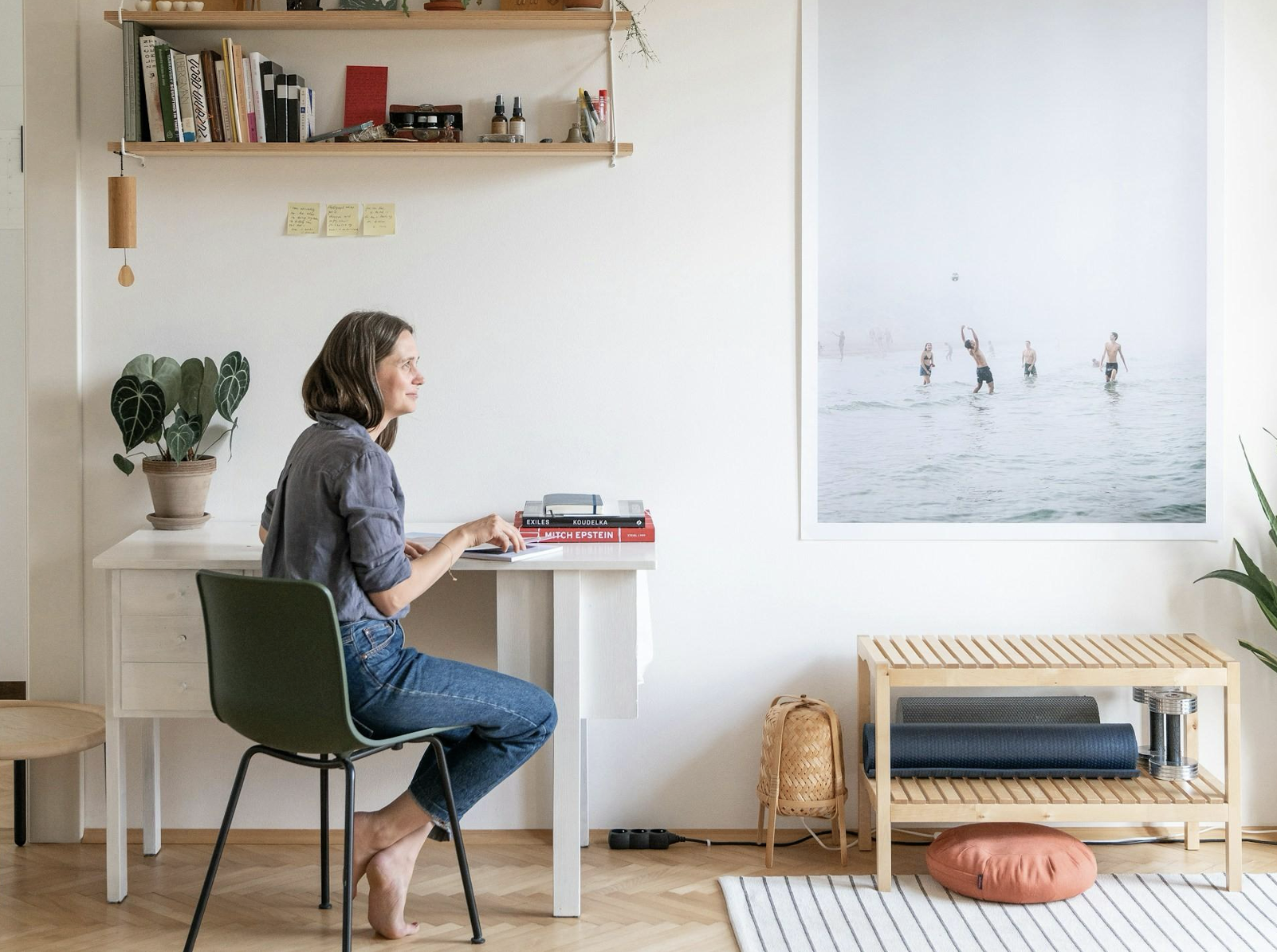
Working from homecan offer freedom, fewer interruptions, and an enviably short commute. It can also leave a laptop permanently open on the dining table and make the living room feel suspiciously like an office with better cushions. The challenge is rarely a simple lack of space. More often, it is a lack of boundaries. When professional and personal life share the same rooms, the home must signal when it is time to concentrate and when the working day is finished. Good home office design supports both states. Itcreates a productive home workspacewithout allowing business equipment, paperwork, and unfinished tasks to take over the places intended for rest. The goal is not to divide life into rigid compartments, but to help each part of the day have its proper setting. Give Work a Defined AddressA home office does not always require a separate room, butwork should have a recognisable place. A desk in a quiet corner, an alcove beneath the stairs or a compact workstation beside a window can provide enough distinction to encourage focus. The important point is consistency. Working from the same location each day helps create a mental association between that area and professional activity. Moving between the sofa, kitchen counter, and bed may feel flexible, but it often allows work to spread across the whole home. The chosen area should have sufficient light, a supportive chair, and enough surface space for essential equipment. It should also remain clear of the busiest household routes. A video call becomes considerably less professional when everyone must walk through the background to reach the kettle. Design Around the Transition, Not Just the TaskMost home workspace advice focuses on what happens during working hours. Equal attention should be given to what happens when those hours end. A useful workspace should be easy to close down. That may mean shutting the doors of a desk cabinet, placing a laptop in a drawer or moving paperwork into a dedicated box. Even a small physical action can mark thetransition from business to personal time. A short end-of-day routine helps too. Clearing the desk, writing tomorrow’s priorities and switching off work notifications gives the mind a clear stopping point. Without that pause, one final email has an unfortunate habit of inviting several friends. Use Furniture to Draw Invisible BoundariesOpen-plan rooms are useful, but they can allow activities to blur together. Furniture can create clear zones without the cost or permanence of building walls. A bookcase, console table or open shelving unit can gently separate a desk from the rest of the room while preserving light and visual space. Rugs can also define different functions, particularly when the work area and lounge sit close together. A corner sofa can be especially effective in a larger living room or kitchen-diner. Positioned away from the wall, its L-shaped form can establish a clear relaxation zone and turn its back on the working area. This creates a psychological boundary while keeping the room open and sociable. Those planning a flexible layout can explore the manycorner sofa options available onlineand compare compact, large and modular configurations. Before choosing one, the room should be measured carefully, including doors, radiators, sockets and main walkways. A sofa can define a space beautifully, but it should not require an obstacle course to reach the desk. Make Lighting Work Two ShiftsA room used for business and relaxation needs more than one type of lighting. Bright, focused light supports reading, writing, and screen-based work, while softer illumination helps the room settle into a calmer evening mood. During the day, the desk should makethe best possible use of natural lightwithout placing the screen directly opposite a bright window. A task lamp can provide extra clarity, especially during darker mornings or late-afternoon calls. When work ends, overhead lighting can give way to table lamps, wall lights or low floor lamps. This change may appear decorative, but it also acts as a practical signal that the room has moved from working mode into living mode. Keep Business Equipment Ready but Out of SightTechnology is essential to most home businesses, although cables, chargers and routers rarely improve a decorating scheme. Cable channels and clips can keep wires controlled, while a drawer or small cabinet can hold headphones, notebooks and other daily equipment. A portable file box is useful where several people share the same room, as it allows paperwork to be removed quicklywithout losing organisation. Closed storage deserves particular attention in a multi-purpose space. Open shelves may look attractive when styled with books and objects, but stacks of invoices and printer paper tend to tell a different story. The best storage system is simple enough to use every day. If putting an item away requires moving six other things first, it will probably remain on the table. Create a Calm Video-Call BackgroundA professional background does not need to resemble a corporate boardroom. It simply needs to appear tidy, intentional and free from distractions. A plain wall, a well-arranged shelf or a restrained piece of artwork can provide an effective setting. Plants and natural materials can soften the view, while good front-facing light helps the speaker appear clear on camera. Personal details can add warmth, but they should remain selective. The background should suggest that a real person works there, rather than reveal the entire contents of the household. Make Shared Rooms Easier to ShareWhen several people use the home during the day, design alone cannot solve every conflict. Clear household habits are just as important. Scheduled calls can be added to a shared calendar, while headphones and visual signals can reduce interruptions. A closed door is an obvious boundary, but in an open room, a small desk lamp or tabletop sign can quietly indicate that someone should not be disturbed. Movable furniture can make shared areas more adaptable. Lightweight chairs, nesting tables and storage trolleys allow the room to change function without requiring a full rearrangement each morning and evening. Protect the Living Space from Work CreepThe most important room may be the one where no work happens at all. Preserving part of the home for meals, conversation, or relaxation creates a genuine break from professional demands. Where space is limited, the distinction may be based on time rather than location. A dining table can serve as a temporary desk, for example, provided it is cleared completely before dinner. Leaving the laptop beside the plates does little for either productivity or appetite. Comfortable seating, warm lighting and personal objects should continue to make the home feel lived in. Business may operate from the property, but it should not become the property’s entire personality. A Home That Knows When Work Is OverCreating a home that supports business and life is less about finding extra square footage and more about assigning purpose to the space already available. A defined work area supports concentration. Thoughtful storage reduces visual clutter. Flexible furniture creates boundaries, and small closing rituals help the working day reach an actual conclusion. When these elements work together, the home can support ambitious plans during the day and return gracefully to ordinary life in the evening. That may be the most useful feature of all:a room that works hard, then knows when to stop.