Home Remedies for Lead Poisoning - Health Benefits
Lead poisoning is a severe medical condition caused by the accumulation of the heavy metal lead within the body over months or years. Once ingested or inhaled, this toxic metal enters the bloodstream and penetrates vital organs, leading to irreversible neurological damage and disrupted cellular function 1. Young children under the age of six face
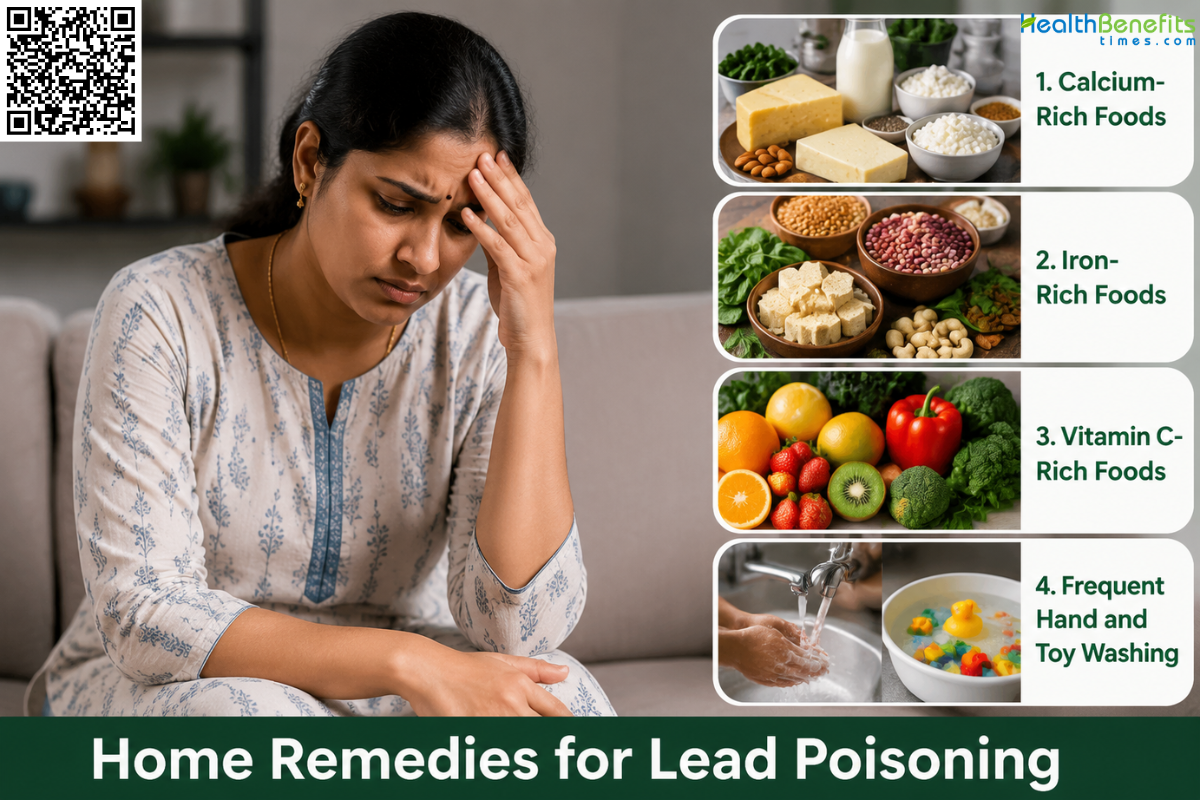
Lead poisoning is a severe medical condition caused by the accumulation of the heavy metal lead within the body over months or years. Once ingested or inhaled, this toxic metal enters the bloodstream and penetrates vital organs, leading to irreversible neurological damage and disrupted cellular function1. Young children under the age of six face the highest risk because their developing bodies absorb lead at a significantly higher rate than adults, directly causing permanent intellectual disabilities, delayed physical growth, and severe behavioral disorders2. Medical experts and global health authorities universally conclude that there is no safe level of lead exposure; even microscopic amounts of this metal in the bloodstream trigger lifelong cognitive impairment and physical deterioration1. Causes of Lead Poisoning1. Deteriorating Lead-Based Paint and DustThe most common source of toxic exposure for young children originates from older residential buildings. Homes built before standard consumer bans often contain lead-based paint, which naturally breaks down into microscopic, highly toxic dust that settles on floors, toys, and window sills where children crawl and play3. 2. Contaminated Drinking WaterPlumbing infrastructure in many older communities frequently introduces this heavy metal directly into the public water supply. Aging pipes, brass fixtures, and lead-based solder slowly corrode over time, leaching harmful concentrations of the metal into tap water used for daily drinking and mixing infant formula4. 3. Occupational Exposure and Take-Home DustAdults working in specific industrial environments face significant risks of both direct poisoning and cross-contaminating their households. Workers in battery manufacturing, auto repair, and construction regularly inhale heavy metal fumes and unknowingly carry toxic dust home on their skin, clothing, and shoes, directly endangering their family members5. 4. Imported Consumer Goods and Traditional MedicinesVarious products manufactured overseas frequently bypass modern safety regulations and contain dangerously high levels of the heavy metal. Health authorities regularly trace severe poisoning cases to imported spices, traditional cosmetics like kohl or surma, unglazed ceramic pottery used for cooking, and alternative herbal medicines that utilize the metal as an active ingredient6. 5. Contaminated Soil and Environmental ResidueUrban and industrial outdoor environments often retain historical contamination that persists in the dirt for decades. Soil around older homes, former industrial sites, and busy highways remains heavily contaminated from decades of leaded gasoline emissions and exterior paint deterioration, creating a persistent ingestion hazard for children playing outdoors7. Symptoms of Lead Poisoning1. Cognitive and Developmental DelaysChildren exposed to this toxic heavy metal frequently experience permanent intellectual disabilities, delayed speech, and severe learning difficulties. Clinical research concludes that even low levels of exposure directly cause irreversible brain damage, leading to lifelong behavioral disorders and significantly reduced attention spans1. 2. Severe Gastrointestinal DistressBoth children and adults suffering from heavy metal toxicity commonly report severe and sudden digestive complications. Medical experts confirm that the accumulation of the metal in the body directly triggers intense abdominal cramping, chronic constipation, sudden loss of appetite, and frequent episodes of vomiting2. 3. Chronic Muscle and Joint PainAdults experiencing toxic accumulation often develop widespread physical discomfort and dangerous muscular weakness. Studies demonstrate that the metal actively damages the peripheral nervous system, which directly results in persistent joint stiffness, muscle aches, and a noticeable loss of sensation or tingling in the hands and feet8. 4. High Blood Pressure and Cardiovascular StrainProlonged exposure in adults significantly alters normal blood circulation and damages the cardiovascular system. Research concludes that the heavy metal disrupts cellular calcium levels and forces blood vessels to constrict, directly causing a dangerous increase in blood pressure and placing individuals at a substantially higher risk for kidney damage and heart disease9. 5. Reproductive and Pregnancy ComplicationsThe toxic metal severely disrupts reproductive health and drastically interferes with normal fetal development. Medical guidelines establish that maternal exposure easily crosses the placental barrier, directly causing premature births, abnormally low birth weights, and an increased risk of miscarriage, while also significantly reducing sperm count in adult males1. 6. Severe Fatigue and AnemiaBecause the heavy metal actively blocks the body’s ability to produce hemoglobin, affected individuals frequently develop dangerous levels of anemia. Health authorities conclude that this disruption directly starves the body’s tissues of essential oxygen, resulting in chronic exhaustion, abnormal paleness, and severe physical l1. Calcium-Rich FoodsHow it may helpCalcium physically competes with lead for absorption within the human digestive system. When the body has an adequate supply of calcium, it naturally absorbs this essential mineral instead of the toxic heavy metal, directly preventing lead from entering the bloodstream and permanently settling into developing bones and vital organs. What research saysClinical research confirms that individuals with calcium deficiencies absorb significantly higher amounts of toxic lead into their bloodstream10. Medical authorities conclude that maintaining optimal calcium levels actively blocks the digestive tract from processing lead, thereby reducing the overall concentration of this heavy metal in the body11. How to use it safelyTo safely support your body’s defenses, incorporate natural whole foods like milk, cheese, yogurt, and dark leafy greens into your daily meals12. Rely primarily on dietary sources rather than artificial supplements unless explicitly directed by a doctor. Potential precautions or side effectsConsuming excessive amounts of calcium through artificial supplements can cause severe constipation and dangerously increase the risk of developing painful kidney stones12. 2. Iron-Rich FoodsHow it may helpIron and toxic lead compete for the same absorption pathways within the digestive system and red blood cells. When the body has sufficient iron stores, it actively blocks lead from entering the bloodstream. This naturally prevents the heavy metal from accumulating in tissues and preserves normal red blood cell function. What research saysClinical studies establish that individuals with iron deficiency absorb lead at a significantly higher rate, rapidly worsening heavy metal toxicity13. Health authorities conclude that maintaining healthy iron levels is a critical biological defense, as it directly restricts the digestive tract’s ability to absorb environmental lead11. How to use it safelyTo safely build your iron stores, regularly consume natural sources like lean red meat, beans, lentils, and fortified cereals14. Eat these alongside vitamin C-rich foods, such as oranges or tomatoes, to maximize how much iron your body absorbs from plant-based meals. Potential precautions or side effectsExcessive iron intake from artificial supplements causes severe constipation, nausea, and dangerous toxic accumulation in the liver. Only take high-dose iron pills if explicitly prescribed by a doctor14. 3. Vitamin C-Rich FoodsHow it may helpVitamin C acts as a natural binder that attaches to toxic lead within the bloodstream, helping the kidneys actively flush the heavy metal out through urine. Additionally, this essential nutrient significantly boosts the body’s ability to absorb iron, which further blocks lead from entering the system. What research saysClinical studies demonstrate that individuals with high blood levels of vitamin C typically have significantly lower concentrations of toxic lead15. Health authorities conclude that optimal vitamin C intake accelerates the body’s natural removal of heavy metals and maximizes the protective blocking effects of dietary iron11. How to use it safelyTo safely boost your daily intake, eat natural whole foods like oranges, grapefruits, strawberries, bell peppers, and tomatoes16. For the best protective results, consume these foods during the same meal as iron-rich foods to maximize your body’s nutrient absorption. Potential precautions or side effectsTaking massive doses of vitamin C through artificial supplements frequently causes severe stomach cramps, diarrhea, and significantly increases the risk of developing painful kidney stones16. 4. Frequent Hand and Toy WashingHow it may helpMicroscopic lead dust from deteriorating paint frequently settles on household floors and children’s toys. Because young children naturally put their hands and playthings into their mouths, they easily swallow these toxic particles. Frequent washing physically removes this invisible dust, directly preventing the heavy metal from entering the digestive system. What research saysPublic health research confirms that regular hand hygiene and cleaning children’s play items significantly reduce the amount of toxic dust ingested17. Health authorities conclude that establishing strict handwashing routines before meals and after playing outdoors directly lowers the concentration of lead in a child’s bloodstream18. How to use it safelyVigorously wash your children’s hands with standard soap and warm water for at least twenty seconds, especially before eating and after playing outside19. Routinely clean all plastic and wooden toys using a damp cloth and a basic household soap solution. Potential precautions or side effectsStandard alcohol-based hand sanitizers do not remove lead dust from the skin20. You must strictly use physical friction with soap and running water to effectively wash away heavy metals. 5. Routine Wet Mopping and Surface WipingHow it may helpStandard dry sweeping pushes microscopic toxic dust into the air, allowing it to settle on other surfaces or be inhaled. Using a wet mop or damp cloth physically traps and removes these heavy metal particles from floors and windowsills, directly preventing them from entering the body through accidental ingestion. What research saysEnvironmental health research confirms that specialized wet cleaning techniques significantly reduce the concentration of toxic heavy metal dust inside residential homes17. Authorities conclude that consistently removing this invisible residue from hard surfaces drastically lowers the risk of severe childhood poisoning caused by deteriorating older paint18. How to use it safelyThoroughly wipe down window ledges, baseboards, and hard floors every week using a damp mop or wet paper towels with a standard household cleaner17. Always use separate buckets for washing and rinsing, and immediately discard used paper towels in a sealed trash bag. Potential precautions or side effectsNever use standard brooms or regular household vacuums to clean contaminated areas. Dry sweeping actively forces toxic dust into the air, dangerously increasing the risk of respiratory inhalation17. 6. Flushing Household Tap WaterHow it may helpWhen water sits motionless in older household plumbing, highly toxic lead slowly leaches from aging pipes and brass fixtures into the standing water. Running the tap physically flushes out this contaminated water, drawing fresh, uncontaminated water directly from the main public supply line before it is consumed. What research saysEnvironmental health studies confirm that the highest concentrations of toxic heavy metals accumulate in water that sits stagnant in plumbing overnight4. Authorities conclude that systematically flushing the tap significantly reduces the amount of lead ingested through daily drinking and infant formula preparation21. How to use it safelyBefore drinking, cooking, or mixing baby formula, always run your cold water tap for at least one to two minutes until it becomes noticeably colder17. Use this flushed water to ensure you are pulling fresh water directly from the main municipal line. Potential precautions or side effectsStrictly avoid using warm or hot tap water for cooking or drinking, as hot water dissolves lead much faster. Additionally, boiling water does not remove heavy metals21. 7. Removing Outdoor Shoes Before Entering the HomeHow it may helpOutdoor soil often holds dangerous levels of heavy metals from historical gasoline emissions and deteriorating exterior paint. Taking off shoes before coming inside physically prevents this toxic dirt from being tracked onto indoor floors, directly protecting young children who frequently crawl and play on the ground. What research saysEnvironmental health research confirms that contaminated outdoor soil significantly contributes to toxic dust accumulation inside residential homes17. Health authorities conclude that establishing a strict no-shoe policy indoors drastically reduces a child’s overall exposure to heavy metals by eliminating a primary pathway for environmental contamination7. How to use it safelyPlace a heavy-duty doormat at every exterior entrance to wipe off loose dirt. Always remove your outdoor shoes immediately upon entering the house17. Provide clean, indoor-only slippers or socks for your family members and guests to wear while walking inside. Potential precautions or side effectsRegularly clean outdoor entry mats to prevent toxic dirt buildup. Always wash heavily soiled outdoor clothing and contaminated entry rugs separately from the rest of your family’s regular laundry17. Foods to Avoid When You Suffer from Lead Poisoning1. Fried and High-Fat FoodsAvoid excessively fatty or fried foods, as high dietary fat intake accelerates gastrointestinal lead absorption and significantly exacerbates the toxic effects of the heavy metal22. 2. Empty-Calorie and Sugary SnacksLimit sugary items that displace nutrient-dense foods. Diets lacking essential minerals like iron, calcium, and zinc cause the body to mistakenly absorb lead instead23. 3. Contaminated Imported CandiesStrictly avoid certain imported candies and spices, particularly those containing chili powder or tamarind, as health agencies frequently identify them as contaminated with dangerous lead levels24. 4. Wild Game MeatAvoid wild game meat, such as venison or waterfowl, harvested with lead ammunition. Lead pellets scatter microscopic fragments into the meat, causing severe toxicity upon ingestion25. 5. Foods Stored in Glazed CeramicsDo not consume highly acidic foods, such as citrus or tomatoes, stored in old, imported, or handmade ceramic pottery, because the acid rapidly leaches lead from the glazes23. When to see Doctor when you struggle from Lead Poisoning1. Persistent Gastrointestinal DistressSevere abdominal pain, chronic constipation, nausea, or unexplained weight loss warrant immediate medical evaluation, as these are common signs of acute or chronic lead toxicity26. 2. Neurological and Behavioral ChangesSeek a doctor if you experience sudden irritability, mood disorders, confusion, short attention span, or memory loss, which indicate central nervous system impairment from lead exposure27. 3. Symptoms of Severe AnemiaLead poisoning often co-occurs with iron-deficiency anemia. Consult a healthcare provider if you develop extreme fatigue, dizziness, weakness, or pale skin without a clear cause28. 4. Motor Skill and Nerve DysfunctionUnexplained muscle weakness, joint pain, fine tremors, or loss of visual-motor coordination require professional assessment, as lead accumulates in soft tissues and disrupts neurotransmission29. 5. Elevated Blood PressureAdults experiencing new, resistant, or worsening hypertension should undergo a medical evaluation. Cumulative lead burden is a significant risk factor for cardiovascular changes and elevated blood pressure26. 6. Known Exposure to Lead SourcesContact a doctor for a blood lead test if you have consumed contaminated foods, inhaled paint dust during renovations, or work in high-risk environments like smelting30. Commentscomments