How China won the car century before the West noticed the race had changed
Two decades ago China placed a patient wager on electric vehicles while the West guarded its engines. In 2026 that bet is paying out — in market share, in shuttered factories, and in a technological lead the incumbents may no longer be able to close.
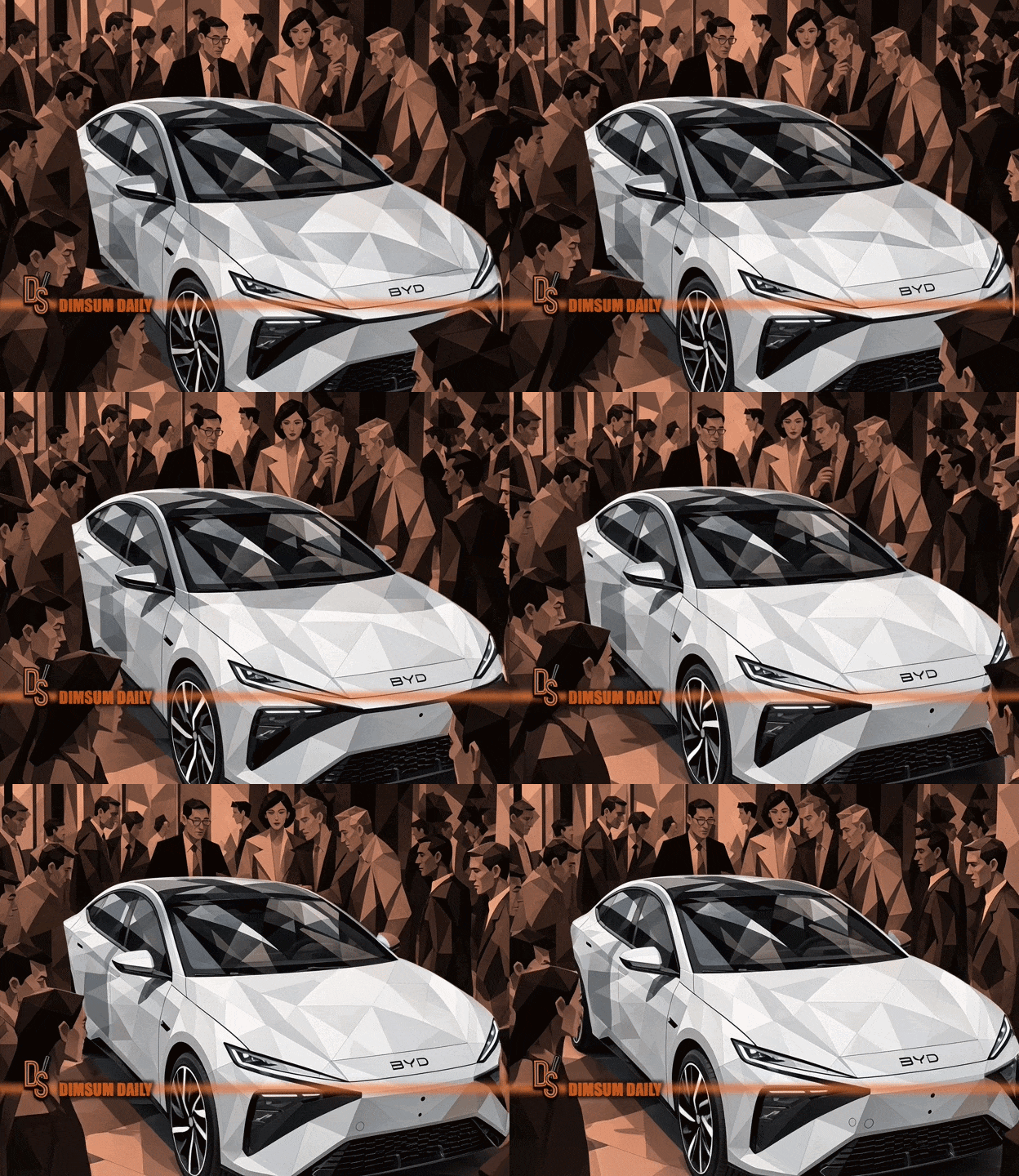
2nd August 2026 – (Beijing) Two decades ago China placed a patient wager on electric vehicles while the West guarded its engines. In 2026 that bet is paying out — in market share, in shuttered factories, and in a technological lead the incumbents may no longer be able to close. and quietly chose a different one. The West is only now feeling the impact of a choice made a generation ago. That lag — between the wager and its reckoning — is the whole story. Between 2009 and 2022, Chinese authorities directed more than forty billion Australian dollars in subsidies and tax breaks toward electric cars, buses, and the battery chemistry beneath them. Companies that began as makers of phone batteries — CATL, BYD — were nurtured across a full economic cycle, insulated from the quarterly demands that discipline their Western rivals. The results are now measurable rather than speculative. In 2025, Chinese factories produced nearly three-quarters of the world’s electric vehicles. China became the planet’s largest car exporter in 2023, shipping some five million vehicles to over 180 countries and overtaking Japan in a single stride. BYD, which entered Australia only in 2022, is already that market’s second-largest brand. These are not projections. They are the ledger. What makes the position so difficult for incumbents to answer is that the Chinese advantage is no longer merely one of price, though the price gap alone would be formidable. Xiaomi’s new SkyNomad SUV lands roughly twenty-three per cent below Tesla’s comparable Model Y in China. The deeper problem is speed and quality compounding together. McKinsey’s own automotive leadership now concedes what executives long refused to say aloud: Chinese manufacturers develop new models in twenty to twenty-four months, against forty to fifty in the West, at roughly thirty per cent lower material cost and thirty per cent lower capital expenditure. Faster cycles mean mature technology reaches the showroom sooner, and on software, connectivity, driver assistance, and range, the Chinese product is frequently not the cheaper option but simply the better one. That is the sentence Western strategy was not built to survive. The incumbents’ distress is visible from every direction at once. Volkswagen, once the largest carmaker in China, has been reduced to a bit part in the market that once made it rich, and announced plans to cut a hundred thousand jobs. Honda’s chief executive, after touring a Shanghai factory, offered the plainest possible verdict: “We have no chance against this. ” Ford’s Jim Farley described a “fight for our lives. ” In Detroit, the retreat takes a quieter form — an analysis of seven years of earnings calls found General Motors’ references to electric vehicles collapsing from eighty-two on one 2025 call to twenty-one a year later, as both GM and Ford delayed or dropped models once Washington scrapped its $7,500 credit. In Britain, carmakers are holding investment hostage, refusing to commit to new factory lines until the government waters down its zero-emission mandate; U. K. vehicle production fell 7. 5 per cent in the first half of 2026. Each of these is a symptom of the same underlying condition: an industry that hedged when it should have committed, and now finds the ground already occupied. The structural reasons the West could not follow China’s path are worth naming honestly, because they explain why the gap will be hard to close. Western firms answer to short-term profit cycles and shifting political winds rather than a twenty-year plan executed with discipline. They carry older customers attached to engines, larger dealer and supplier networks, and more powerful unions with good reason to resist a technology that requires roughly thirty per cent less labour to build. Even now, Toyota’s chairman calls electric vehicles his “biggest fear” and confesses, “I love engines. ” Sentiment is not strategy, and affection for the old machine is precisely the luxury the market no longer rewards. Leading a market means meeting its problems first. China logged four hundred thousand tonnes of battery waste last year, a figure researchers project could reach 1. 69 million tonnes by 2030, and much of that spent supply still flows through uncertified recyclers whose improper dismantling has poisoned soil and killed forest. A brutal domestic price war is denting even BYD’s profitability. Leadership brings its own reckoning. Yet the essential asymmetry remains. The West is being asked to close, in a handful of years, a lead that China spent two decades building with patience its rivals never mustered. The car defined the last century largely on Western terms. The next one is being defined on someone else’s, and the incumbents’ gravest error was mistaking a slow-moving bet for no bet at all.