How Diet Impacts Women's Hair Health
We truly are what we eat. Our diet can affect physical health, emotional well-being, and oral health. The same can be said for our hair health. Studies have shown a connection between hair loss and diet,. . .
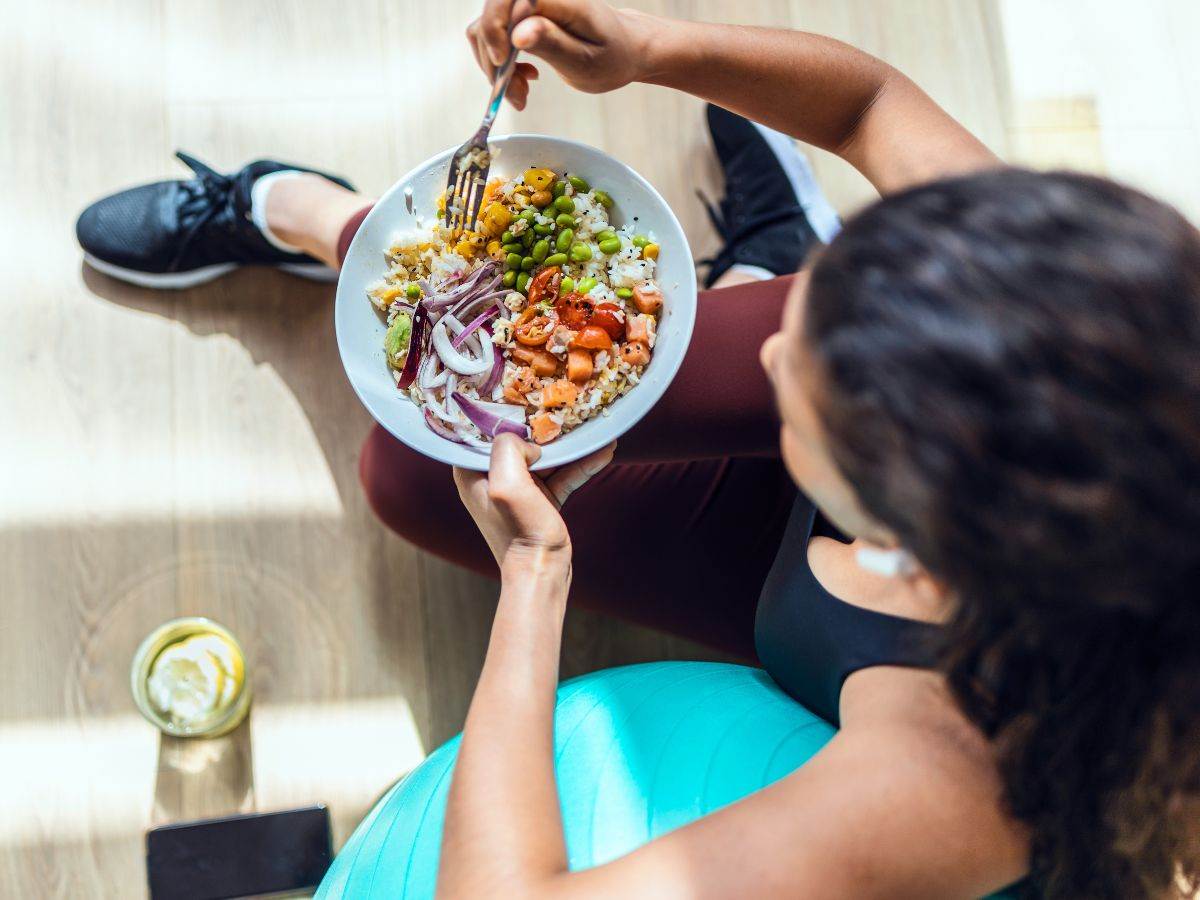
We truly are what we eat. Our diet can affect physical health, emotional well-being, and oral health. The same can be said for our hair health. Studies have shown a connection between hair loss and diet, prompting many women with thinning hair to improve their diet and experience more lustrous locks. Women who don’t get enough essential vitamins and nutrients could experience some level of hair loss. Numerous studies, for example, have shown a correlation between vitamin D deficiency and hair loss. Oftentimes,vitamins and supplementsare all that are needed to restore hair health, along with dietary changes. A Look at the ScienceAs mentioned above, studies abound that point to a link between hair health and nutritional deficiency, although more research needs to be done to provide conclusive evidence across the board. Nutritional deficiency can affect both hair structure and hair growth. TheNational Library of Medicinesays studies have reported associations between nutritional deficiencies and chronicTelogen Effluvium (TE),androgenetic alopecia (AGA),andalopecia areata. Taking adequate vitamins and minerals can help prevent and manage hair loss, and many women can cover all their nutritional needs with a healthy, balanced diet. A variety of vitamins and minerals can play a role in new hair growth, as well as strengthen your immune system (vital for healthy hair). According toHarvard Health, vitamins and minerals such as these can contribute to hair health:Vitamin AVitamin CVitamin B7(biotin)Vitamin B9(folate)Vitamin B2(riboflavin)Vitamin B3(niacin)Vitamin B12Vitamin DVitamin EZincIronSeleniumDiets That Harm Hair HealthThere’s little doubt that healthy foods form the building blocks of hair. It’s quite simple: with proper supplementation, hair grows longer and thicker. With a poor diet, your hair suffers, and you may experience brittle locks that can more readily break. A pro-inflammatory diet is the worst diet for hair and overall health. Unfortunately, many Americans follow diets that promote inflammation, typically consisting of fried and processed foods. Studiesshow that nearly 60 percent of U. S. adults eat a pro-inflammatory diet. This translates to about six in 10 adults who routinely eat foods boosting the risk of chronic conditions like heart disease and cancer – not to mention poor hair health. Androgenic alopecia has been associated with a higher dietary inflammatory index as well as lower antioxidant index scores. According to theNational Library of Medicine, antioxidant-rich diets protect against androgenic alopecia, while pro-inflammatory diets increase the risk. Gut Health Tied to Scalp and Hair HealthNot only is a pro-inflammatory diet bad for your hair, it’s bad for your gut. Quite simply, a healthy gut supports healthy hair growth. Any disruption in nutrient absorption can result in noticeable changes in hair texture, growth rate, and overall scalp health. Indeed, nutrient absorption, hormone regulation, and inflammation control are all critical for promoting a thriving environment for hair follicles. The imbalance of gut microbiota can disrupt that harmony, compromising your body’s natural ability to nourish and sustain healthy hair growth. Maintaining Healthy Hair Growth With SupplementationTaking the right vitamins and supplements consistently can significantly support your body in maintaining healthy hair growth. The nutrients essential for hair development are also required by other areas of your body. When these vital nutrients are deficient, the body prioritizes vital organs, which can lead to hair suffering the consequences. This is why we recommend that nearly all of our patients use a hair loss supplement that provides extra support. However, hair loss in women is multifaceted, which is why we advise patients to choose a supplement that addresses not only nutritional gaps but also other contributing factors such asstress, genetics, inflammation,hormone imbalances, and scalp or follicular health. At Medi Tresse, we suggest a combination ofthree productsthat target the main causes of female hair loss by working together. These should serve as the cornerstone of any effective hair treatment plan:Tresse Prebiotic,Tresse Revitalizer, andTresse Fortifier. Created by Medi Tresse, the foremostmedical specialistsin female hair loss, our products are backed by extensive research and development. They have been proven to support women experiencing various forms of hair loss, helping them achieve healthier hair growth from the comfort of home. Hair — like anything that grows — requires the right nutrients and conditions in which to thrive. And it all starts with what you consume (healthy foods and supplements). We can help you get the nutrients you need to experience thicker, fuller, more lustrous hair. Diets That Help Hair HealthOn the flip side, there are certain diets that can promote hair health. One such diet is the anti-inflammatory diet, similar to aMediterraneandiet. Vitamins and minerals derived from food play a vital role in thehair follicle growth cycleand cellular turnover. However, a diet lacking in necessary nutrients may lead to hair loss, including deficiencies in:Vitamins B12 and DBiotinRiboflavinIronProteinThat’s why it’s important to consume a balanced diet rich in these vitamins and minerals to promote hair growth, especially when your hair loss is due to poor nutrition. Foods that fight inflammationinclude:TomatoesOlive oilGreen leafy vegetables (spinach, collard greens, kale)Nuts (almonds and walnuts)Fatty fish (salmon, mackerel, sardines, tuna)Fruits (strawberries, blueberries, oranges, cherries)Green teaDark chocolateWhole grainsUnderstandably, not everyone can eat a healthy diet all the time. That’s where supplements and vitamins come in to fill the gaps. Unfortunately over the last 60 years, there’s been a rapid andalarming decline in food qualityas well as a decrease in nutritionally essential minerals and vitamins in fruits, vegetables, and food crops. There are many reasons for this, from the preference for less nutritious crops to a shift from natural farming to chemical farming. But the bottom line is, sometimes we need extra help to get the vitamins and nutrients we need, and that’s why supplementation is so important. Worried about hair loss and diet?Call ustoday for a personalizedconsultationto explore the causes of your hair loss or thinning. If vitamin deficiency is to blame, we have a variety of supplements to choose from to ensure healthier hair at every stage.