How is the capital faring on its climate change targets?
Skip to ContentHomeFilter by RegionSaint John & SouthFredericton & WestMoncton to MiramichiNorthern N. B. The IssuesHealth careEducationFirst NationsHousingFinance & TaxesEnergy &. . .
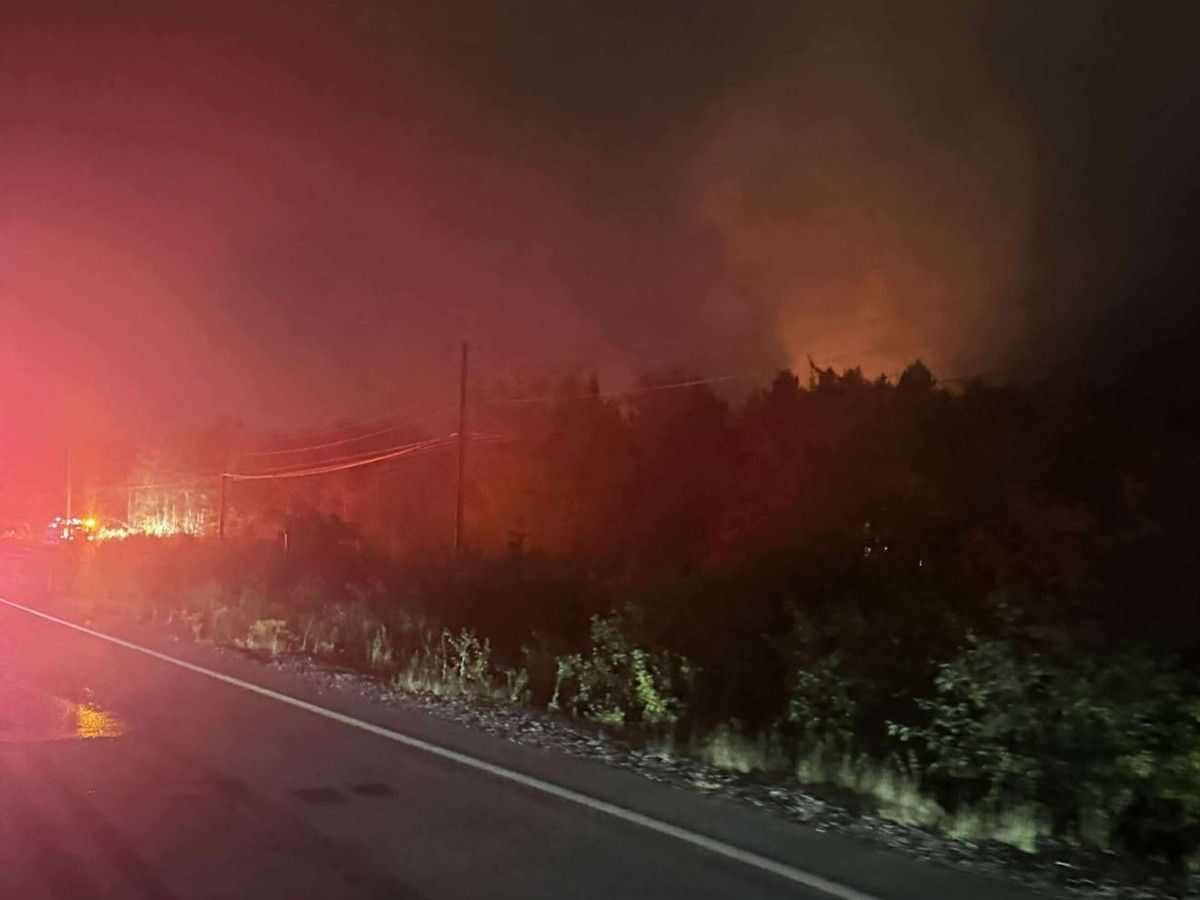
Skip to ContentHomeFilter by RegionSaint John & SouthFredericton & WestMoncton to MiramichiNorthern N. B. The IssuesHealth careEducationFirst NationsHousingFinance & TaxesEnergy & EnvironmentImmigrationPovertyDevelopmentMunicipalitiesCourtsTJ CommentEditorialsColumnistGuest op-edPublic Works & TransportLettersCanada & WorldSportsLocal SportsLifeTravelTravel CanadaTravel USATravel InternationalCruisesTravel EssentialsSavingsN. B ArchivesLives ToldShoppingTelegraph-Journal StorePuzzmoSaloninfoweekendBusiness AdsObituariesClassifiedsAdvertisingAdvertising With UsAdvertising SolutionsPostmedia Ad ManagerSponsorship RequestsCareersE-EditionNewslettersManage Print SubscriptionProfileSettingsMy SubscriptionsSaved ArticlesNewslettersCustomer ServiceFAQThe IssuesCourtsTJ CommentCanada & WorldSportsLifeN. B ArchivesShoppingPuzzmoSalonBusiness AdsObituariesClassifiedsE-EditionNewslettersManage Print SubscriptionCity hallDaily GleanerFredericton & WestHow is the capital faring on its climate change targets?City making headway, but population growth slowed down overall progress: officialPublished Aug 07, 2026•3 minute readYou can save this article by registering for freehere. Orsign-inif you have an account. Wildfires, like this one in Knowledge Park in 2025, have been identified as one of the climate risks Fredericton is facing. SUBMITTEDFredericton has reduced its emissions by 43 per cent on a per-capita basis since 2000, a council committee was told on Thursday. Subscribe now to read the latest news in your city and across Canada. Unlimited online access to articles from across Canada with one account. Get exclusive access to the e-Edition, an electronic replica of the print edition that you can share, download and comment on. Enjoy insights and behind-the-scenes analysis from our award-winning journalists. Support local journalism and the next generation of journalists. Subscribe now to read the latest news in your city and across Canada. Unlimited online access to articles from across Canada with one account. Get exclusive access to the e-Edition, an electronic replica of the print edition that you can share, download and comment on. Enjoy insights and behind-the-scenes analysis from our award-winning journalists. Support local journalism and the next generation of journalists. Create an account or sign in to keep reading. Access articles from across Canada with one account. Enjoy additional articles per month. Get email updates from your favourite journalists. Create an account or sign in to continue with your reading experience. Access articles from across Canada with one accountShare your thoughts and join the conversation in the commentsEnjoy additional articles per monthGet email updates from your favourite authorsBut despite that impressive number, the city’s overall emissions have only fallen by three per cent in that same time period,Jillian Hudgins, the city’s environmental strategist and program manager told the Environmental Stewardship Committee. The seemingly low rate of overall progress, Hudgins said, is because “our population has grown significantly since 2000. ”“Our boundaries have grown as well, and so this does reflect that increase – the amalgamated areas and the population growth,” she said, later adding that “as our as our population has grown, the amount of emissions per person in our community has gone down. ”“A lot of that reduction has come in from the building sector: more efficiency, a lot of heat pumps being put into homes, renewable energy. ”Hudgins noted that the city doesn’t control “these emissions. ”“We don’t control how people heat their homes or get around, but we also don’t control where our electricity comes from and the makeup of that grid. So we are at the mercy of NB Power’s grid makeup, and that changes every year. A clear and concise roundup to start your weekday morning. By signing up you consent to receive the above newsletter from Postmedia Network Inc. A welcome email is on its way. If you don't see it, please check your junk folder. The next issue of Morning Email Daily Gleaner will soon be in your inbox. We encountered an issue signing you up. Please try again“So, for example, in 2024, (Point) Lepreau nuclear plant was offline, and that meant the emissions factor – the amount of emissions related to a kilowatt of energy generated – was higher than in 2023. So we can continue to reduce our energy, but we are dependent on NB Power to also keep their commitment to a cleaner grid in the future. ”Emissions from municipal-owned assets, Hudgins said, are down 30 per cent since 2004. She then pivoted to the city’s climate change adaptation plan. The previous council declared a climate emergency in 2023. “Last year, we had a lot of extreme heat, drought, wildfire risk,” Hudgins said. “We’ve had a number of intense rainfall events, hurricanes, post-tropical storms in the last several years. We’ve made significant investment in our stormwater upgrades and river flooding adaptation. “Almost all of the construction projects, the larger projects we’re doing have a component of increasing the stormwater pipes to accommodate heavier rainfall events. ”A wildfire contingency plan will be presented to council for consideration soon, Hudgins added, before listing off other initiatives being undertaken to adapt to climate change. They have included, she said, public education campaigns, solar-powered city buildings, buying more electric vehicles, working with partners to manage the emerald ash borer, and “looking at ways to use natural materials to stop erosion along our river. ”But it wasn’t all good news. Hudgins eventually moved on to discuss the “challenges” the city has faced while trying to implement its plan over the last 18 months. “There’s been a lot of shifts in priorities and policies and programs at other levels of government, largely driven by global instability, the focus on safety, affordability, and other economic pressures,” she said. “There’s been a lot of changes and unpredictable federal funding programs, evolving federal funding programs that have different priorities than they did a few years ago. We’ve also seen globally the rapid growth of AI and the pressure for data centres. These are major electricity and water consumers that threaten the progress that we’ve made. ”Two other challenges Hudgins listed were “capacity constraints and competing priorities at the municipal level. ”The next challenge, she added, is to combine the city’s change action plans – corporate and community – into one. That work began in May, Hudgins said, and the “biggest deliverable to date” has been to identify a “number of hazards here: extreme heat, drought, extreme precipitation, river flooding, freezing rain, high-wind events, freeze-thaw cycles, forest fires and air quality degradation, extreme winter storms and blizzards, and eco-region shift, which represents some of the natural changes we see. ”Join the ConversationNew BrunswickSaint John & SouthFredericton & WestNew BrunswickNew BrunswickThis website uses cookies to personalize your content (including ads), and allows us to analyze our traffic. Read more aboutcookies here. By continuing to use our site, you agree to ourTerms of UseandPrivacy Policy.