How NIH Is Translating 70 Years of Health Data To Speak the Same Language
12 Petabytes and a Converter BoxAt the center of the effort isBioData Catalyst, a cloud-based ecosystem developed by NHLBI in collaboration with NLM and ODSS. “[NIH has] over 12 petabytes of data that’s all. . .
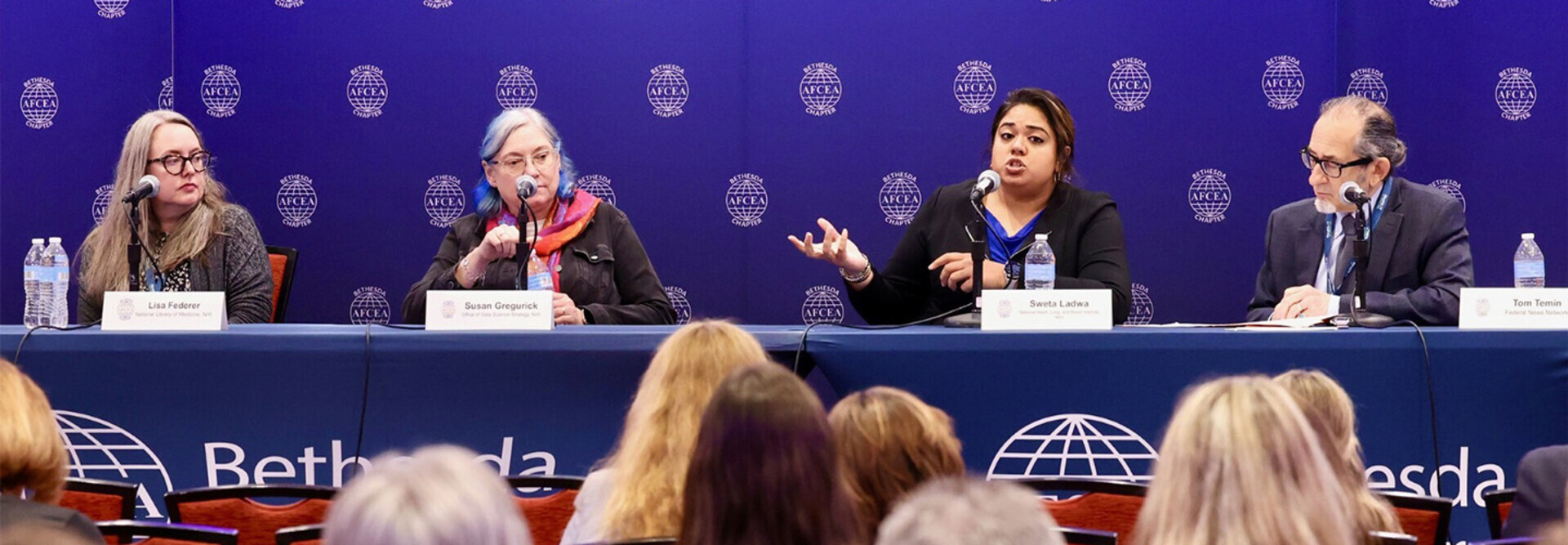
12 Petabytes and a Converter BoxAt the center of the effort isBioData Catalyst, a cloud-based ecosystem developed by NHLBI in collaboration with NLM and ODSS. “[NIH has] over 12 petabytes of data that’s all multimodal — everything from genomics,clinical imaging, sleep, sensor data, all different modalities,” said Sweta Ladwa, chief of the Scientific Solutions Delivery Branch at the Information Technology and Applications Center (ITAC) at NHLBI. That data spans long-running studies such as theTrans-Omics for Precision Medicine(TOPMed) program, which tracks approximately 180,000 individuals. But access alone doesn’t make data AI-ready. The more difficult problem is interoperability — ensuring a cardiovascular variable from, say, a 1990s Framingham Heart Study cohort means the same thing as one from a recent pulmonary fibrosis study. NHLBI has built a linked data modeling language (LinkML) pipeline to solve this — what Ladwa called a “converter box approach, where you can plug in the data from the source and it will put it in that [format] for your analysis. ” The pipeline maps data across multiple standards, includingLOINC(Logical Observation Identifiers Names and Codes),FHIR(Fast Healthcare Interoperability Resources) andHPO(Human Phenotype Ontology). NHLBI pairs the automated mapping with clinical validation. “We have pulmonologists who we’re working with to really clinically determine the concepts,” Ladwa said, “because we want to make sure that this fancy hypertensive medication is the same as this other one. They’re all in the same class, and they’re all the same ontological concept. ” She added that the AI-assisted mapping uses “publicly available metadata” rather than patient data. READ MORE:Healthcare interoperability improves care and patient experiences. From Research Standards to the Electronic Medical RecordWhile NHLBI focuses onmaking existing research data interoperable, ODSS is working on a complementary problem: getting research-grade standards into the clinical systems where new data is generated daily. Susan Gregurick, NIH’s associate director for data science and director of ODSS, described a push to map NIH research standards into the United States Core Data for Interoperability (USCDI) — the interoperability standard that electronic medical record systems use for accreditation. As part of this process, Gregurick cited work that began in oncology and is expanding to other disease areas, including a cardiovascular partnership with NHLBI. The implication: When cardiovascular phenotypes appear in a patient encounter — even outside a formal study — EMR systems can capture them in a format researchers can use. “The impact for that sort of cross-agency collaboration is really huge,” Gregurick said. “I think that that’s almost apart from AI, but it’s going to be something that drives AI in the future. ”Click the banner belowto sign up forHealthTech’s weekly newsletter. Curating Data for Machines With Common Data ElementsUnderpinning much of this work is the National Library of Medicine, the world’s largest biomedical research library. Lisa Federer, acting director of the NLM’s Office of Strategic Initiatives, described the library as providing “the substrate for future work in AI” through assets such asMedical Subject Headings(MeSH) andCommon Data Elements, which standardize how research data is described and collected across NIH. But what’s shifting, Federer said, is who consumes the data. “We’re not just thinking about humans. We’re thinking about how machines are consuming data as well,” Federer said. “You do have to consider not just a human consuming that, but how isagentic AIgoing to be consuming this information?”How NLM curates data “for machine consumption is different from how we would curate it for human consumption,” Federer said — a recognition that AI agents querying NIH resources don’t read context clues the way a researcher does. This distinction makes standardizing Common Data Elements all the more important, especially as NLM has noted an uptick in the number of bots and other AI agents crawling their digital repositories. What’s at Stake for NIH and the Future of Health ResearchNIH invested nearly $400 million last year in AI-related research grants, according to Gregurick. But the less visible investment — the pipelines, ontologies and standards that make data usable across institutional boundaries — may matter more. “When you’re able to [connect] that data with thereal-world data, with other data that exists out in the research space or in the health data fabric across the nation or even internationally, you just increase the power of that data to be able to do more,” Ladwa said, and “ultimately to help those affected by diseases and disorders. ”Without interoperable standards,70 years of health data stays lockedin the formats it was born in. With the standards, it becomes the foundation for a new generation of AI-driven medical research. Photograph by Bethesda AFCEAMore OnAgentic AIAI InfrastructureData ManagementData-Driven DecisionsDigital TransformationPatient-Centered CareInteroperabilityPatient Data Management