How white farmers still dominate land ownership in South Africa in spite of land reform – new research - NewZimbabwe. com
The Conversation More than 30 years after South Africa achieved democracy, it remains one of the world’s most unequal countries. The democratic transition has not produced the transfer in wealth and ownership from a white minority to Black majority population that many had hoped for. Land is at the centre of the debates about this lack of transfer […]
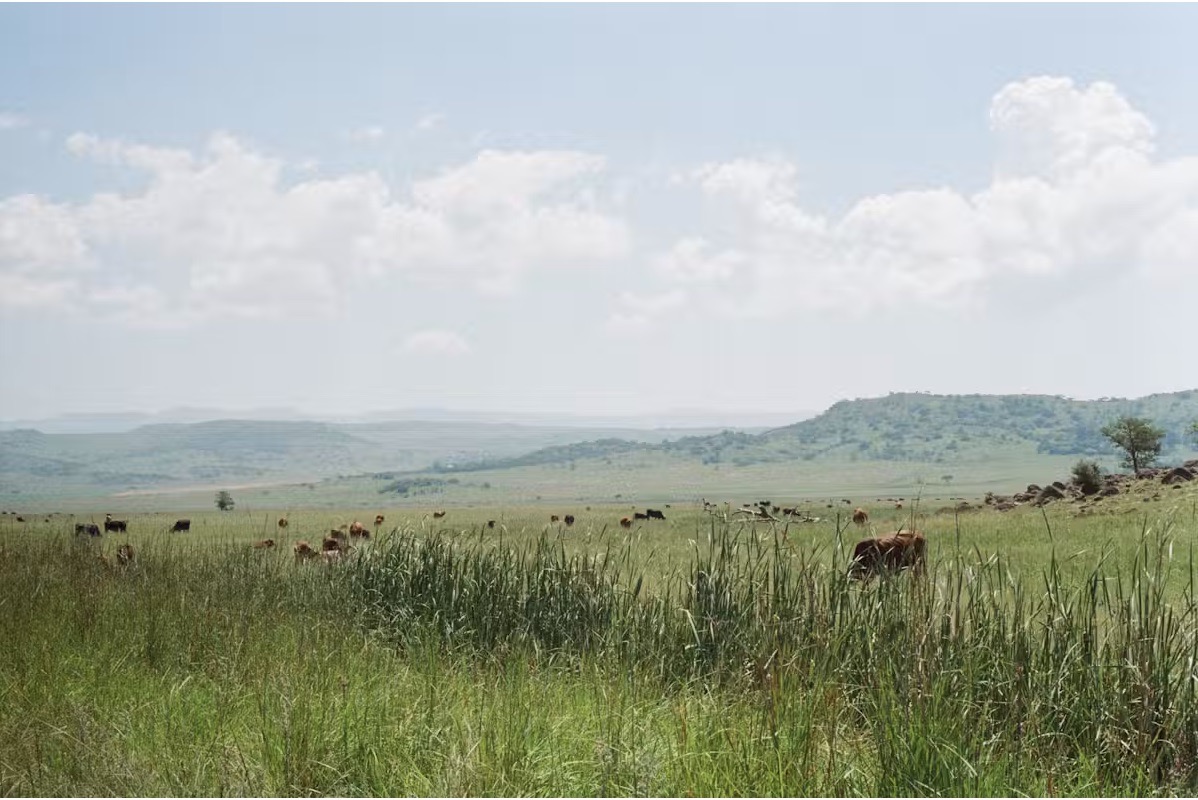
The ConversationMore than 30 years after South Africa achieved democracy, it remains one of the world’smost unequalcountries. The democratic transition hasnot producedthe transfer in wealth and ownership from a white minority to Black majority population that many had hoped for. Land is at the centre of the debates about this lack of transfer of wealth. Duringapartheid, because ofracist lawsaround land ownership, Black South Africans could only own land in 13% of the country’s territory even when they made up 80% of the population. In 1995, the government set aninitial targetto redistribute 30% of all white-owned land to Black farmers under amarket-based programme, which ensured the white farmers could choose whether to sell their land and did so at or above market value. But only between12% and 20%of the land has been redistributed so far. For the last seven years, I have studied theland reform programmeas a political scientist, merging my knowledge of political, social and economic forces to better understand why land reform has failed to live up to its initial goals. In arecent paperI set out to gain a deeper understanding of how land reform occurred and under what conditions transfers of land from white to Black farmers had taken place. To do this, I looked at both sides of the process. On the one hand, I examined what motivated existing landholders to transfer land, including economic incentives to keep farms productive and social factors shaped by the legacy of apartheid and segregation. On the other hand, I looked at the forces driving demand for land reform, including land claims and pressure from landless people. A KwaZulu-Natal cattle farm. Courtesy Alex DyzenhausI held in-depth conversations with established white commercial farmers and Black land reform farmers, asking white farmers why they had sold their farms for the purposes of land reform, or why they had refrained from doing so. I then asked Black farmers about their experiences as emerging farmers in South Africa. I found that landowners’ decisions were shaped by South Africa’s history of racial segregation. Some white farmers used land redistribution to create a buffer between their farms and neighbouring Black communities. Others, in areas with many Black farmers, used land redistribution to bring Black farmers into their farming businesses. My findings show that where land ownership is very unequal, land redistribution doesn’t always reduce old divides. In some cases, it can actually reinforce them. These findings are important because the powerful US government has recently takenstrong actionagainst the South African government, with US president Donald Trump publicly and wronglyaccusingthe land reform programme of persecuting white farmers, expropriating their land and encouraging violence against them. Based on this, Trump withdrew all aid from South Africa and opened upan asylum processfor South Africa’s white farmers to come to America as refugees. But as my research shows, land reform does not unfairly target white farmers. Instead, white farmers find it to be a useful and profitable tool to resolve longstanding problems that they face. This shows that the best way to understand land reform is to look at the evidence rather than the political debate. Land reform to buffer against theftAn emerging farmer’s farm in the Free State. Courtesy Alex DyzenhausI looked at how land reform was going in the Free State province, a part of South Africa with historically stark spatial segregation that led tominimal Black agriculture and high urbanisation. During apartheid, white and Black residents interacted in specific buffer zones between Black towns and white rural areas. I interviewed 10 white farmers who lived next to the buffer areas. They said they were afraid of livestock theft and land reform had allowed them to sell their land to the state for a good price and move into the rural heartland. It also meant that stock theft then became the problem of thenew groupof Black land reform farmers, just as national statistics on farm attacks have shown that Black people make up most of the victims ofrural crime. How land reform preserved old farming patternsI also interviewed a dozen KwaZulu-Natal farmers to find out why they had sold their land. In this province, white farmers historically employed Black workers in a form of semi-feudal servitude calledlabour tenancy. Labour tenants were given access to small plots of land in exchange for their labour on the white-owned farm. This meant that many more Black rural dwellers had small livestock farms scattered among the province’s white commercial farms in KwaZulu-Natal than in Free State. Some white farmers sold part of their land through the land reform programme because they wanted to separate labour tenants’ small cattle herds from their larger commercial herds. Before land reform, labour tenants’ cattle often roamed across the farm, breaking fences and mixing with commercial cattle, which made grazing and disease control more difficult. Selling land allowed farmers to confine former labour tenants and their livestock to one part of the farm, separate from the commercial herd. However, my research found that this left Black land reform beneficiaries on small plots with little opportunity to expand into profitable commercial farming, preserving the economic divide between the white commercial and Black cattle sectors. What needs to happen nextMy research suggests we need to rethink land reform rather than abandon it. In South Africa, much of the land has been redistributed through willing sellers selling land to willing buyers, with government support. This approach may help keep farms profitable, but it does little to tackle the deep inequalities created bycolonialismand apartheid over many centuries. While the US government hasstrongly condemnedSouth Africa’s state-driven land reform framework, my research suggests the opposite problem: the state has relied too heavily on market forces instead of taking a more active role in deciding how land is transferred and supporting new farmers. For example, in the Free State, land reform did little to reduce racial divisions where people live or the large gap in land ownership between Black and white South Africans. The state must do more to acquire farms or create incentives for existing landowners to sell if it wants to change the make-up of the Free State’s agriculture. In KwaZulu-Natal, the government redistributed more land, but many of the small-scale farmers who received it have not been given the support they need to succeed. If the government wants more people to benefit from South Africa’s farming economy, rather than simply transferring land, it needs to do more to help emerging farmers get access to larger farms or earn a decent living from the land they already have. Land reform will inevitably change agricultural practices in South Africa. It is up to the state and commercial sector to more equitably incorporate the new modes of farming that are present in the growing Black farming sector. AuthorAlex DyzenhausLecturer in the School of International Relations, University of St AndrewsThis article is republished fromThe Conversationunder a Creative Commons License. Read the original articlehere. 00votesArticle Rating