Illicit miners face proposed R100m fines, 30 years in jail - Inside Politics
By Thapelo Molefe Illicit miners and those who assist them could face fines of up to R100 million and prison sentences of up to 30 years under proposed amendments approved by Cabinet. Justice and Constitutional Development Minister Mmamoloko Kubayi announced the proposed penalties on Tuesday while briefing the media on four Bills forming part of […]
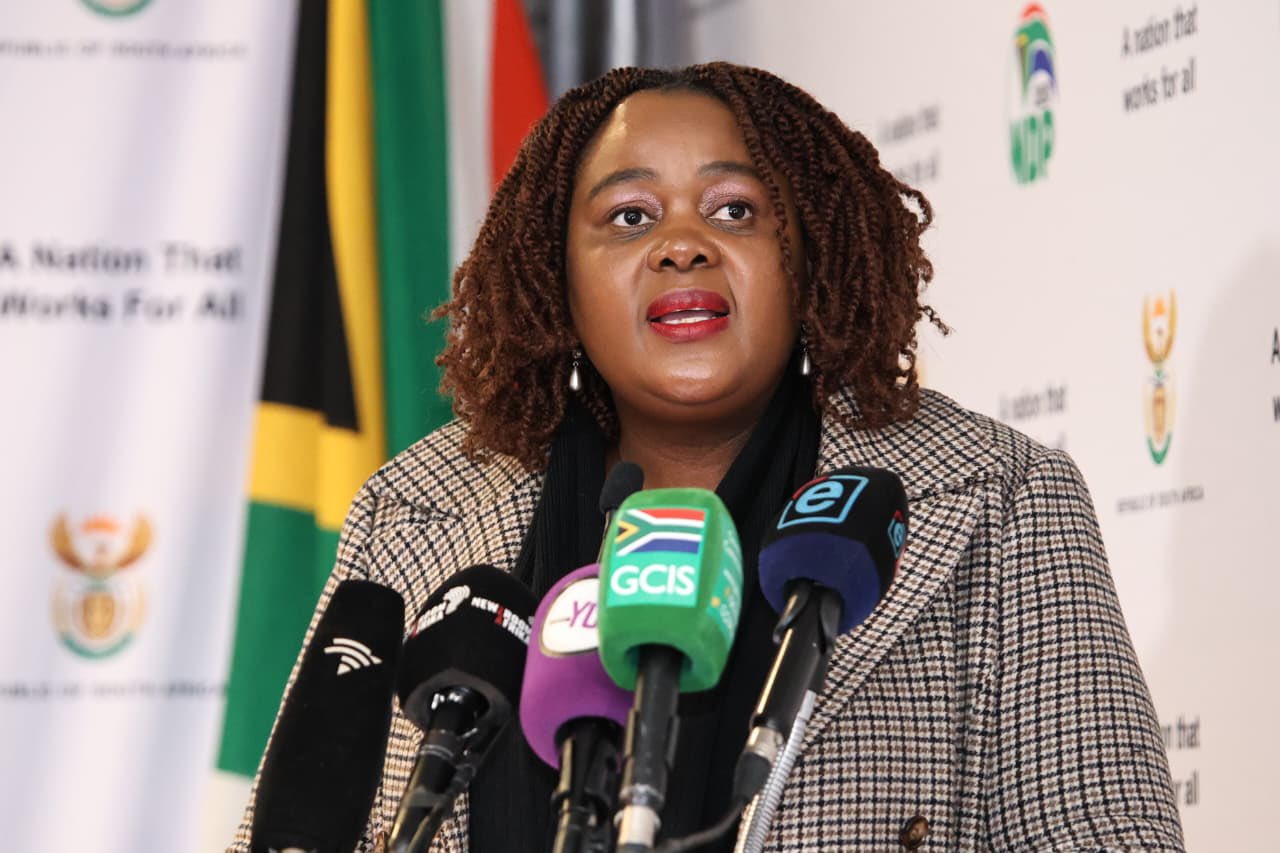
R100 million and prison sentences of up to 30 years under proposed amendments approved by Cabinet. Justice and Constitutional Development Minister Mmamoloko Kubayi announced the proposed penalties on Tuesday while briefing the media on four Bills forming part of the government’s 2026 legislative programme. The General (Mining) Laws Amendment Bill seeks to criminalise illicit mining and related activities and strengthen enforcement against illegal mining operations. The Bill proposes increasing the maximum penalty for certain offences under the Diamonds Act from R250,000 to R100 million and the maximum prison sentence from 10 years to 30 years. It also proposes penalties of up to R100 million and imprisonment of up to 30 years for offences under the Minerals and Petroleum Resources Development Act and the Precious Metals Act. The legislation would make it an offence to assist people involved in illegal prospecting and mining, including by aiding, abetting, inducing, inciting, instigating, instructing, commanding or procuring another person to participate in illicit mining activities. Kubayi said the changes were necessary as illicit mining was having an increasing impact on communities, infrastructure and national security. “Illicit mining has negative effects on communities in and around mining towns, damages the infrastructure of affected areas such as underground water pipes which then affects water security, and poses a serious threat to the safety and security of the affected communities,” she said. Kubayi said illicit mining had also been associated with kidnapping, human trafficking, child labour and forced labour, while illegal mining gangs had been linked to violent crimes including murder, rape, intimidation, housebreaking, theft, assault and corruption. The Bill distinguishes between illicit mining and authorised artisanal mining, with the department saying people operating with the required permits would not be criminalised. Under the proposed amendments, illegal prospecting and mining activities would be listed as offences under the Criminal Procedure Act. The Bill would also give members of the South African Police Service certain compliance powers under the Minerals and Petroleum Resources Development Act, although they would not be authorised to conduct routine inspections or issue compliance notices. The mining legislation is one of three Bills gazetted for public comment on 7 August. The other two are the Legal Practice Amendment Bill and the Regulation of Trusts Bill. The Legal Practice Amendment Bill seeks to strengthen regulation of the legal profession and improve access to justice. It includes proposals to strengthen public protection over trust funds held by legal practitioners, including extending compensation by the Legal Practitioners’ Fidelity Fund to losses caused by negligence. The Regulation of Trusts Bill seeks to strengthen oversight of trusts and protect beneficiaries. It would require trustees to prepare annual financial statements and retain trust-related documents during their tenure and for five years after leaving office. The fourth Bill, the Conspiracy, Instigation and Incitement to Commit Offence Bill, seeks to repeal the Riotous Assemblies Act of 1956, which the department has identified as apartheid-era legislation. The proposed legislation would establish offences relating to conspiracy, instigation and incitement to commit serious offences, following a Constitutional Court ruling that found the existing provision dealing with incitement to be unconstitutionally broad. Kubayi also highlighted the increased monetary jurisdiction of the Small Claims Courts, which was raised from R20,000 to R30,000 in July. The department said the increase was aimed at making dispute resolution more accessible and affordable to ordinary South Africans. The General (Mining) Laws Amendment Bill, Legal Practice Amendment Bill and Regulation of Trusts Bill are open for public comment until 11 September. The Conspiracy, Instigation and Incitement to Commit Offence Bill has been approved by Cabinet and will be tabled in Parliament for processing. INSIDE POLITICS