IMF Board to consider final review of Ghana’s ECF programme next week - EUROPE SAYS
Ghana is expected to officially conclude its International Monetary Fund (IMF) Extended Credit Facility (ECF) programme next week, subject to the IMF Executive Board’s approval of the country’s final. . .
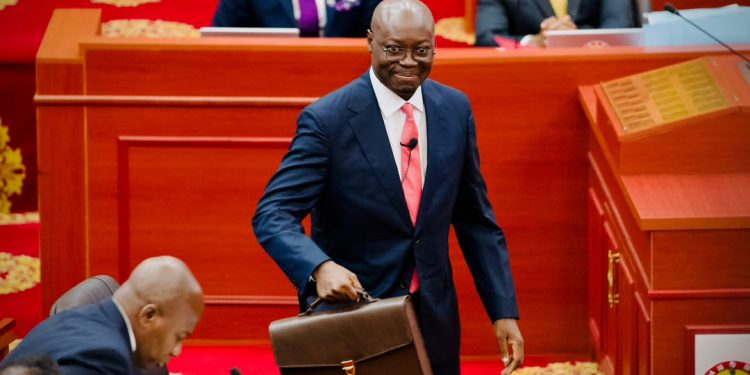
Ghana is expected to officially conclude its International Monetary Fund (IMF) Extended Credit Facility (ECF) programme next week, subject to the IMF Executive Board’s approval of the country’s final programme review. The development comes as the government highlights improvements in inflation, economic growth, debt sustainability, exchange rate stability and fiscal performance, which it says have created a stronger foundation for the country’s post-IMF economic agenda. Finance Minister, Dr Cassiel Ato Forson, speaking in Parliament during the presentation of the 2026 Mid-Year Fiscal Policy Review on Thursday, 23rd July, 2026, said the approval would mark the successful conclusion of the financial bailout programme. “Next week, the Executive Board of the IMF is expected to approve the final review of Ghana’s Extended Credit Facility (ECF) programme, bringing to a successful conclusion the financial bailout programme,” he said. The IMF Executive Board is also expected to approve a 36-month Policy Coordination Instrument (PCI), a non-financing arrangement designed for countries that no longer have, and are not expected to face, balance of payments needs. “The PCI will anchor our next phase of reforms, strengthen macroeconomic resilience, support broad-based growth, and signal our unwavering commitment to sound and disciplined economic policies,” Dr Ato Forson said. According to the Minister, the PCI will support reforms across six priority areas: growth-friendly fiscal consolidation; debt sustainability; fiscal transparency and governance; monetary and exchange rate policy frameworks; financial sector stability; and economic diversification and inclusive growth. “We believe our strong implementation record, together with the successful execution of the PCI, will strengthen Ghana’s path toward investment-grade status and enhance our ability to mobilise concessional and development financing for productive public investment,” he said. The PCI will include 26 quantitative and reform targets, which will be monitored through semi-annual reviews. “The PCI will include quantitative and 26 reform targets, monitored through semi-annual reviews, to ensure sustained implementation of reforms that are critical to achieving our ambitious policy objectives,” the Minister said. The three-year IMF-supported programme was introduced to help Ghana restore macroeconomic stability, implement fiscal reforms and restructure its debt following the country’s economic crisis. The anticipated approval will mark the successful completion of the bailout programme after Ghana met key policy and reform commitments agreed with the Fund. Tags:EconomyIMFInternational Monetary Fund