Impacts of multi-species swards on livestock health
Multi-species swardsprovide highly nutritious forage for grazing livestock. However, they also present unique management challenges, including the risk of bloat and fertility issues due to. . .
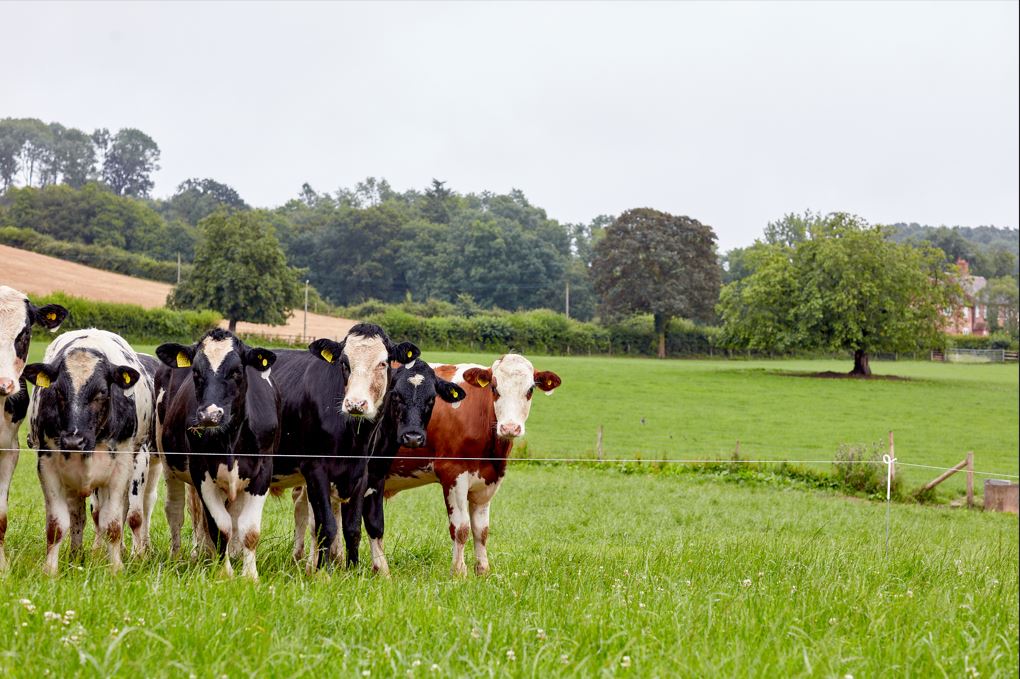
Multi-species swardsprovide highly nutritious forage for grazing livestock. However, they also present unique management challenges, including the risk of bloat and fertility issues due to phytoestrogens. Multi-species swardscan playan important rolein supporting livestock health by influencing rumen function, immune resilience, parasitemanagementand mineral balance. Their value lies not just in what animals eat but in how the diet functions within the animal. When managed carefully,theycan support healthier, more resilient livestock while reducing reliance on chemical andpurchasedinputs. Rumen health and digestive stabilitySward mixes can support rumen function by providing a balanced supply of fibre and protein compared with monocultures. This reduces the risk of acidosis and supports steady energy release, improving overall digestive health and animal performance. Herbs such as chicory and sainfoin may also moderate fermentation and support a more stable rumen environment. Managing bloat riskSwards with a high proportion of legumes, particularly clovers, are more prone to causing bloat due totheirhigh protein and carbohydrate content,especially during wet, humid conditions. Measures to reduce bloat riskMaintain species diversityIntroduce stock gradually to clover-rich swardsFeed hay or straw before turnoutAvoid hunger-driven paddock movesUseanti‑bloatsupplements whenrequiredMonitor stock closelywhengrazing high-legume swardsIf bloat occursRemove animalson that pastureimmediatelyContact your vetProvide ahigh‑fibredietRest the pasture for at least 10 daysExplore the feed value of multi-species swardsImmune function and resilienceParasite managementImplement rotational grazing and rest periods between grazing cycles to break the life cyclesof internal parasites. Regularly perform faecal egg counts (FEC) tomonitorand manage parasite burdens. This allows for targeted worming based on actual parasite presence. See our Parasite Control Guide for guidanceMinerals and trace elementsWhile some herbs area good sourceof micronutrients (e. g. chicory as a source of selenium),additionalmineral supplements, such as copper,seleniumand cobalt, might be needed. Regularlytestsoil and forageRequest blood testswhere deficiency risk is knownSupplementgrazingwhenrequiredFertility and cloverPhytoestrogens are naturally occurring compounds found in some red and white clover varieties. They can mimic the effects of oestrogen and can disrupt reproductive processes in female livestock. Red clover silage has not been shown to negatively affect cattle fertility, but sheep are more sensitive. To mitigate fertility risks:Usemulti-species swardsrather than pure red clover leysKeep breeding ewes off high red clover for six weeks before and after tuppingSelectappropriate clovervarieties with advice from seed suppliersFurther informationLearn more about multi-species swardsOrder your own copy of our multi-species swards guide