Indonesia government to take over state firm's stake in US$7. 3 billion China-funded high-speed railway
The authority will buy a 60% stake in the project while Chinese state firms continue to hold 40% interestPublished Thu, Aug 6, 2026 · 01:10 PM[JAKARTA] Indonesia’s government will take over a controlling. . .
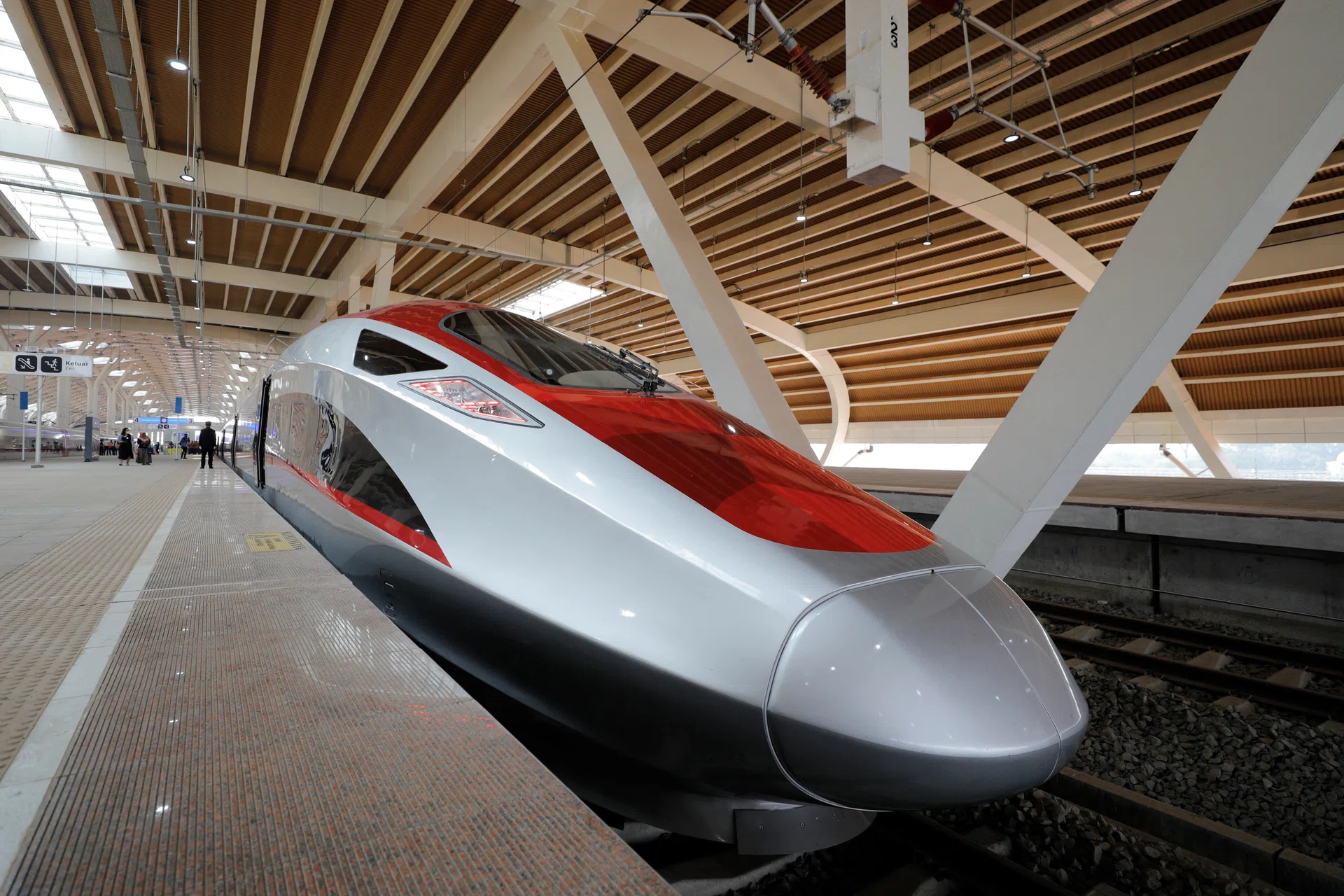
The authority will buy a 60% stake in the project while Chinese state firms continue to hold 40% interestPublished Thu, Aug 6, 2026 · 01:10 PM[JAKARTA] Indonesia’s government will take over a controlling stake in the company operating a US$7. 3 billionChina-funded high-speed railway, its finance minister and a senior official with sovereign wealth fund Danantara said. Finance Minister Purbaya Yudhi Sadewa said at a joint press conference with Danantara on Wednesday (Aug 5) that he will appoint an agency under his ministry to take over a 60 per cent stake in KCIC, the company that operates the bullet train. The value of the stake was not disclosed. Commerciallynamed Whoosh, the 142 km railway connects Jakarta to Bandung, a city southeast of the Indonesian capital. The appointed agency will be responsible for repaying the project’s outstanding loan, but will not use the state budget, Purbaya said. The transaction will be completed at the latest by mid-September, said Dony Oskaria, chief operating officer of Danantara. In April, Dony said Indonesia hadcompleted debt negotiations with Chinafor the project, but did not provide details. The project has beenmired in problems, including land procurement issues, pandemic-related delays and ballooning costs. The 60 per cent stake in KCIC is currently held by a consortium of Indonesian state companies, led by state railway firm Kereta Api Indonesia, with construction firm Wijaya Karya holding a significant share. SEE ALSOChinese state firms will continue to hold a 40 per cent stake in the project. Danantara controls all Indonesian state firms. REUTERS