Inside the US-China race to build the world’s deadliest submarines
US vs China undersea: How their most advanced attack submarines compareThe United States and China are building submarine forces from very different starting points. The US Navy operates the world’s most. . .
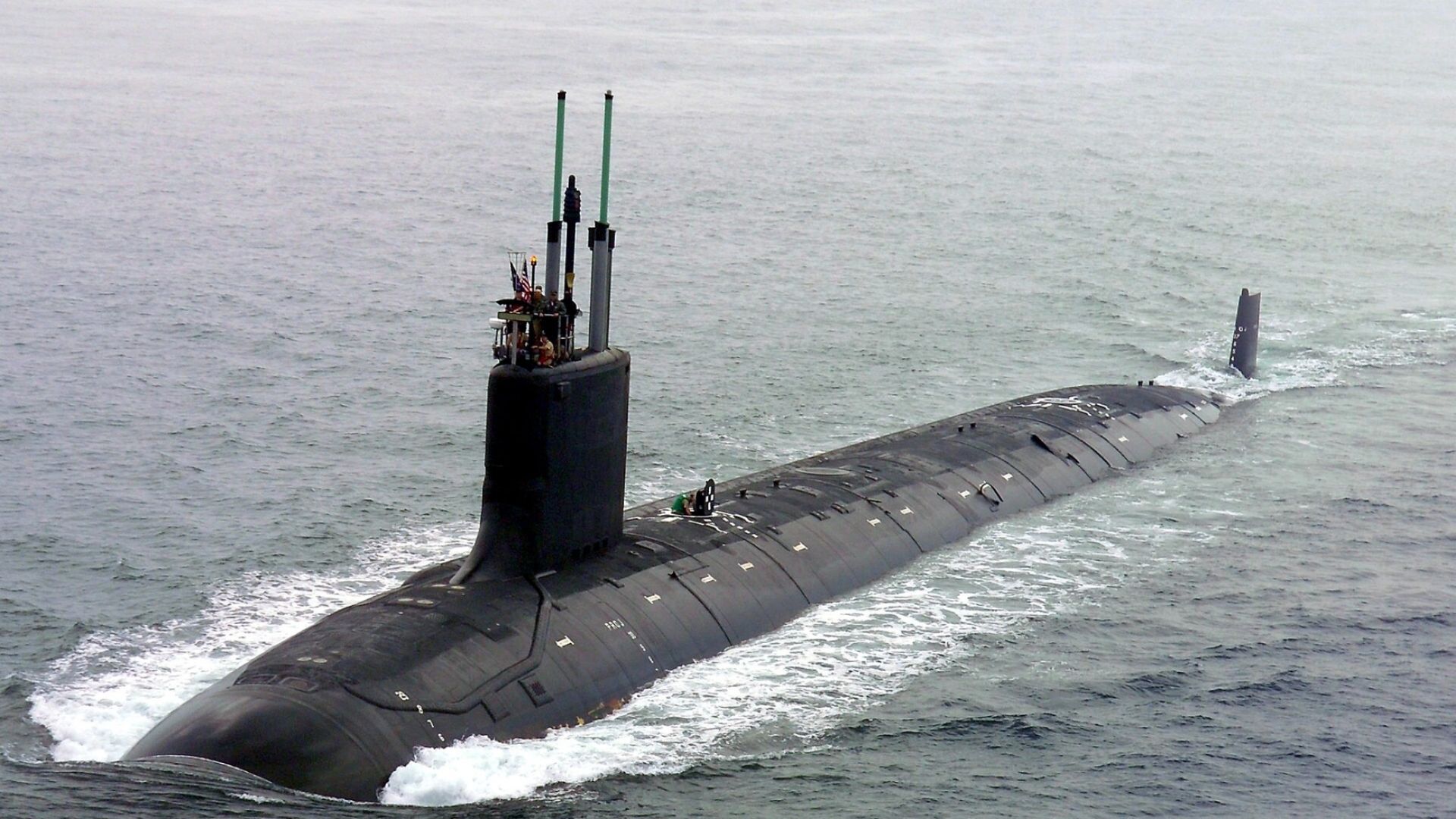
US vs China undersea: How their most advanced attack submarines compareThe United States and China are building submarine forces from very different starting points. The US Navy operates the world’s most experienced nuclear-submarine fleet, supported by decades of deployments, advanced shipbuilding expertise, and highly trained crews. China, by comparison, is still working to close long-standing gaps in stealth, propulsion, sensors, and undersea warfare experience. A direct comparison also requires one important distinction. Ballistic-missilesubmarinesare built primarily for nuclear deterrence, while attack submarines hunt enemy vessels, gather intelligence, support special forces, and strike targets on land. For the clearest comparison, the most relevant boats are America’s Virginia-class Block V and China’s Type 093B Shang-class, the most advanced Chinese nuclear attack submarine whose capabilities have been documented with reasonable confidence. America’s benchmark: Virginia-class Block VThe Virginia class has formed the backbone of the US Navy’s modern attack-submarine fleet since the first vessel entered service in 2004. It was designed to operate across a wide range of missions, including anti-submarine warfare, attacks on surface ships, intelligence gathering, land strikes, and special-operations support. The Block V version represents the class’s most significant expansion. Its defining upgrade isthe VirginiaPayload Module, an additional hull section containing four large-diameter launch tubes. Each tube can carry seven Tomahawk cruise missiles, adding 28 missiles to the submarine’s existing strike capacity. The module increases the submarine’s length from roughly 377 feet to 461 feet and raises its submerged displacement to around 10,200 tons. The added space is also designed to accommodate future weapons, uncrewed systems, and special-operations equipment. This gives the Block V greater flexibility as undersea warfare continues to evolve. Its biggest advantage, however, is not simply missile capacity. The Virginia class benefits from decades of American investment in reactor quieting, vibration isolation, sonar processing, hull coatings, and propulsor technology. Exact acoustic figures remain classified, but the class is widely considered one of the quietest attacksubmarines ever built. That advantage is decisive in submarine warfare, where detecting an enemy before being detected can determine the outcome of an engagement. China’s most advanced confirmed challengerChina’sType 093family represents a long-running effort to improve the capabilities of its nuclear-powered attack submarines. The original Type 093 and the improved Type 093A gave the People’s Liberation Army Navy a more credible attack-submarine capability than earlier Chinese designs. The newer Type 093B takes the program further by placing greater emphasis on missile firepower and anti-surface warfare. The US Department of Defense has described the Type 093B as a guided-missile nuclear attack submarine. China reportedly launched at least two examples between May 2022 and January 2023. The submarine is believed to carry vertical-launch cells for cruise missiles, potentially allowing it to target ships and land-based installations from concealed positions. However, many details remain uncertain. China has not publicly released reliable information about the Type 093B’s missile capacity, sonar performance, propulsion system, or acoustic signature. Much of what is known comes from satellite imagery, intelligence assessments, and comparisons with earlier Chinese submarines. That makes the Type 093B more difficult to evaluate than the Virginia class. It nevertheless represents a major step forward for China. The submarine gives the PLAN a platform capable of escorting carrier groups, threatening surface vessels, launching long-range missiles, and operating farther from China’s coastline. Firepower and stealthOn firepower, the Virginia Block V holds the clearer advantage. Its Virginia Payload Module gives it a large and well-defined cruise-missile capacity, while its torpedo tubes can launch Mk 48 heavyweight torpedoes. The submarine also benefits from mature integration with American intelligence, communications, surveillance, and targeting networks. The Type 093B is believed to carry vertical-launch cells, but reliable figures on their number and arrangement remain limited. Its ability to deploy anti-ship and possibly land-attack cruise missiles still represents a meaningful improvement. However, China’s submarine-launched missile capability lacks the operational maturity and integration achieved by the US Navy. The gap is even greater in acoustic stealth. China has improved the quieting of successive Type 093 variants, but submarine stealth depends on more than hull shape or propulsion type. It also requires precision manufacturing, quiet machinery, advanced reactor design, and years of operational refinement. These are areas in which the United States retains a substantial lead. Which navy has the better submarine?Based on publicly available evidence, the Virginia-class Block V remains the more capable attack submarine. It combines superior stealth, greater payload flexibility, mature weapons integration, advanced sensors, and decades of American undersea warfare experience. The Type 093B does not eliminate that advantage. What it does show is that China is producing increasingly capable submarines designed to operate farther into the Pacific and carry more powerful weapons. The US still leads in submarine quality. China’s real challenge lies in narrowing that gap while expanding its fleet and industrial capacity. In a long-term naval competition, that combination could matter just as much as the capabilities of any single submarine.