'Invisible struggles': CSC review reveals mental health challenges among correctional officers
Skip to ContentNewsLocal NewsProvincialCanadaWorldSpecial-SectionsSportsLocal SportsBaseballBasketballFootballHockeyJunior HockeyCurlingAuto RacingOther SportsEntertainmentLocal. . .
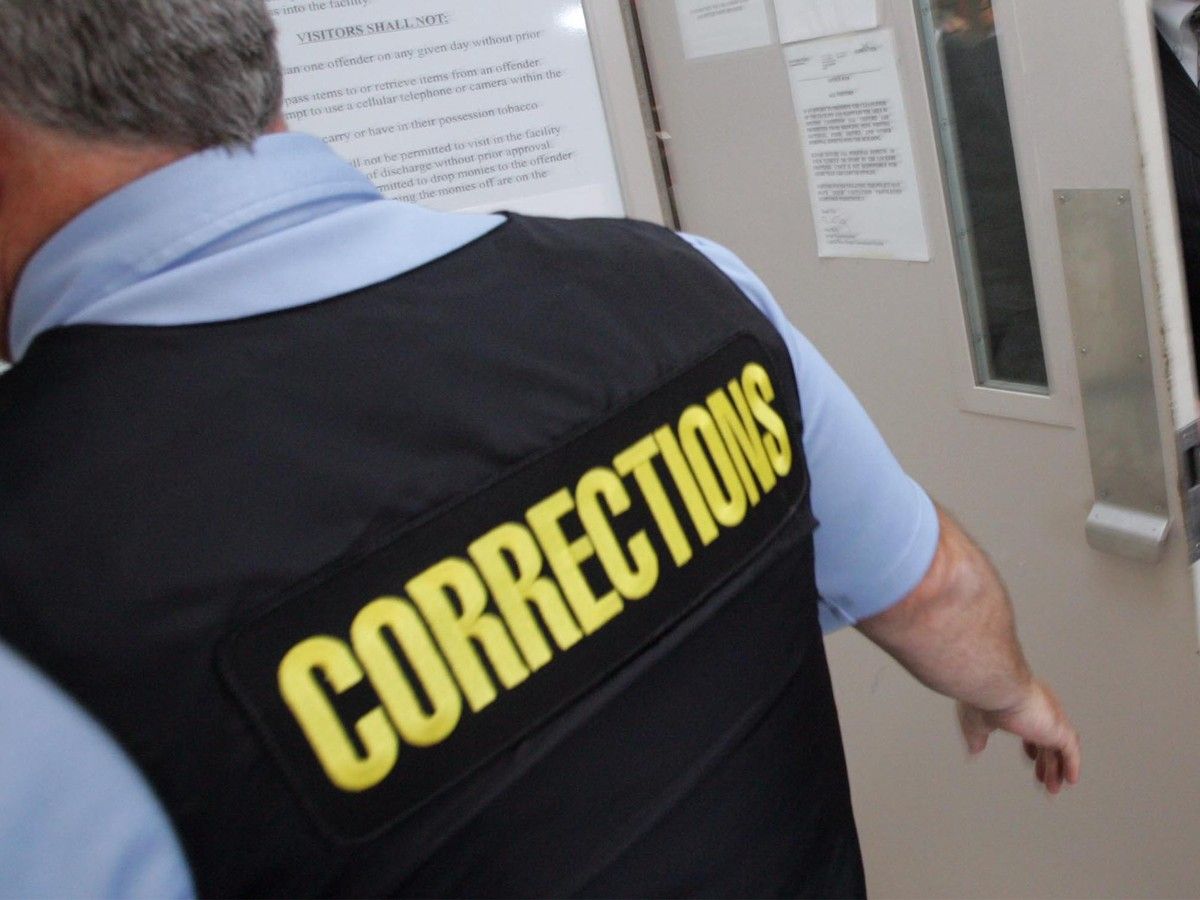
Skip to ContentNewsLocal NewsProvincialCanadaWorldSpecial-SectionsSportsLocal SportsBaseballBasketballFootballHockeyJunior HockeyCurlingAuto RacingOther SportsEntertainmentLocal EntertainmentMoviesMusicTelevisionBooksGamingCelebritiesLifeTravelFoodHealthComicsPuzzlesAdviceOpinionColumnEditorialLettersAll NewspapersAdvertisingAdvertising With UsAdvertising SolutionsPostmedia Ad ManagerSponsorship RequestsClassifiedsObituariesBusiness AdsJobsLives ToldShoppingDrivingOntario FarmerHealthingPuzzmoDiversionsPuzzlesComicsNewslettersProfileSettingsMy SubscriptionsNewslettersCustomer ServiceFAQNewsSportsEntertainmentLifeOpinionAll NewspapersClassifiedsObituariesBusiness AdsJobsShoppingDrivingHealthingPuzzmoNewslettersNewsLocal News'Invisible struggles': CSC review reveals mental health challenges among correctional officersPublished Jun 18, 2026•Last updated 10 minutes ago•5 minute readA corrections officer walks through a locked entrance area, following a news conference at the Central Nova Scotia Correctional Facility in Burnside, on September 13, 2010. Photo by Tim Krochak/The Halifax Herald LimitedA recent review by theCorrectional Service Canadahas shed light on the significant mental health challenges faced by correctional service employees, which revealed how occupational stress, trauma and feelings of isolation can contribute to serious psychological injuries and, in some cases, suicide. Subscribe now to read the latest news in your community. Unlimited online access to all articles on thewhig. com. Access to subscriber-only content, including History: As We Saw It, a weekly newsletter that rips history from our archives, which span almost 190 years. Enjoy insights and behind-the-scenes analysis from our award-winning journalists. Support local journalism and the next generation of journalists. Subscribe now to read the latest news in your community. Unlimited online access to all articles on thewhig. com. Access to subscriber-only content, including History: As We Saw It, a weekly newsletter that rips history from our archives, which span almost 190 years. Enjoy insights and behind-the-scenes analysis from our award-winning journalists. Support local journalism and the next generation of journalists. Create an account or sign in to keep reading. Access more articles from thewhig. com. Share your thoughts and join the conversation in the comments. Get email updates from your favourite journalists. Create an account or sign in to continue with your reading experience. Access articles from across Canada with one accountShare your thoughts and join the conversation in the commentsEnjoy additional articles per monthGet email updates from your favourite authorsSign In or Create an AccountorThe review was conducted following a number of deaths by suicide among correctional officers over the past 15 years. More recently in Kingston, Bradley Gleason, a correctional officer who worked at Joyceville Institution, took his own life in April 2025, allegedly due to extensive harassment from co-workers while on the job. While he was not included in these particular numbers, the report did shed light on the need for work-culture changes. “The importance of structural change, which in turn requires a work-culture growth cycle is indicative that there is no “silver bullet” approach that willimmediatelyimprove every(correction service employee’s) work environment. This process may take several years. Part of the work-culture changesrequiredis to encourage andfacilitatesocietal perceptional changes,” read the report. The report, titled“In the Light of Day”,reviewed 34 deaths by suicide among correctional service employees that had occurred between 2010 and 2024. Of those deaths, 17 took place between 2010-2019, while the same amount (17) occurred between 2020-2024, a significant increase in a shorter, five-year period. The review consulted more than 90 people, including staff, experts, organizations and families, to identify gaps and opportunities for improvement. Review of the findingsLeading up to the report and recommendations, a review of the deaths was conducted and found that a majority of the correctional service employees who took their own life were correctional officers with a majority of those individuals being male. Between 2010 and 2024, 27 were men, while seven were women. It also found that those who chose death by suicide were struggling from some form of mental health, with most battling depression. Other conditions noted in patients included anxiety, PTSD, personality disorders, chronic pain, as well as alcohol and substance-use disorder. Coexistent issues included both at work and at home were also found to contribute to their deaths. Your weekday lunchtime roundup of curated links, news highlights, analysis and features. By signing up you consent to receive the above newsletter from Postmedia Network Inc. A welcome email is on its way. If you don't see it, please check your junk folder. The next issue of The Kingston Whig-Standard's Noon News Roundup will soon be in your inbox. We encountered an issue signing you up. Please try againWork-specific factors included work-related transfers, exposure to a traumatic situation, or testifying in court, just to name a few. It also noted that each facility, unit and event shift also had its own culture and level of complexity. At home, the findings listed distressing events, relationships, or personal loss as contributing factors. While mental health support had been made available to staff through theemployee family and assistance program, discussions with participants noted that the counsellors were limited in their skills. Those seeking help and speaking to counsellors about their work conditions also became an issue, as it was also potentially traumatizing for the support person. Participants also noted confidentiality as a concern, and difficulty navigating the programs system. As a result, the review found that staff often internalized the pressures of working in a prison environment, which made it difficult to recognize, communicate and seek support for their mental health struggles. Families also described the presence of the high stress work environment, the often-challenging workplace culture of limited support, and “toxic masculinity” behind the walls of institutions. Outside of the walls of the now closed Kingston Penitentiary on Nov. 6, 2025. A recent review by the Correctional Service Canada has shed light on the significant mental health challenges faced by correctional service employees. Photo by Maegen Kulchar/The Kinston Whig-StandardMental health claims among correctional officersAcross Ontario’s 25 provincial adult institutions, the report recognized that there are approximately 6,200 front-line employees, with an additional 222 employees working in the Ministry of the Solicitor General-operated probation centres. Data provided from the Workplace Safety and Insurance Board regarding mental stress injury claims for correctional officers between 2016 and 2024 reported more than 3,000 mental stress injury claims, with an average of 350 claims per year. Of those claims, the WSIB noted that approximately two thirds of correctional officer’s claims were registered as post-traumatic stress disorder. Throughout those years, 70 per cent of the claims were allowed with 12 per cent pending further review. According to participants who were asked about the challenges in respect to the WSIB, it was noted that several people don’t apply in fear of their workplace supervisors knowing, there is a lack of knowledge on how to apply, and not all correctional service employees are covered by current legislation. RecommendationsThe report produced 28 recommendations aimed at strengthening employee wellness, mental health supports, training, workplace culture, and organizational practices, all with a purpose to discover opportunities for change to strengthen the system and supports for correctional officers in Ontario, Canada, and internationally. “The 28 recommendations represent opportunities for change to strengthen the systems and supports for (correctional service employees),” said the deputy chief coroner, Reuven Jhirad. “While there are many similarities across provincial and federally operated institutions and youth centres in Ontario, there are unique differences. As the recommendations were intended to address common systemic challenges for correctional service provision, they were prepared in a manner that applies across jurisdictions and services, whether public or private. ”The 28 recommendations called for greater recognition of correctional service employees as public safety personnel through public awareness campaigns and internal recognition programs that highlight the important work and risks associated with the profession. They also emphasized the need for specialized training and ongoing assessments throughout an employee’s career, focusing on mental health awareness, suicide prevention, resilience, workplace culture and reducing stigma around seeking help. The report recommended expanding mental health and wellness benefits, introducing confidential wellness surveys to regularly monitor employee well-being, and using anonymous data to improve workplace supports and programs. It also called for stronger collaboration among correctional services, unions, health-care providers, community organizations and researchers to ensure employees receive consistent, evidence-based support. A dedicated employee support team has also been proposed to help staff access resources, manage leaves and return-to-work plans, and connect employees with mental health, peer support, and community services. The recommendations stressed the importance of providing in-person, confidential supports and taking a holistic approach to wellness that includes physical, emotional, financial, social, cultural, and spiritual health. Additionally, it said that culturally appropriate resources and supports should be available for Indigenous, Black, racialized, 2SLGBTQIA+, disabled and other employees who may face unique challenges or barriers to care. Overall, the recommendations are aimed to create a healthier, more supportive workplace culture for correctional employees while improving access to mental health resources, training, recognition, and long-term wellness supports. It expressed optimism that continued collaboration and commitment from correctional services, governments, unions, healthcare providers, and communities can create safer, healthier workplaces and better outcomes for employees. Mkulchar@postmedia. comCorrectional Service of Canada conducting internal investigation following death of a Kingston officer'A clear violation of human rights' — Kingston prisons included in scathing report from CSC watchdogJoin the ConversationThis website uses cookies to personalize your content (including ads), and allows us to analyze our traffic. Read more aboutcookies here. By continuing to use our site, you agree to ourTerms of UseandPrivacy Policy.