Is This India's Next Health Crisis? Why Millions May Spend Their Last Decade Battling Illness
Last Updated:July 27, 2026, 11:19 ISTA Lancet study suggests the world has entered a new phase of ageing -- one where people are living longer, but also spending more years in poor healthRapid ReadRapid. . .
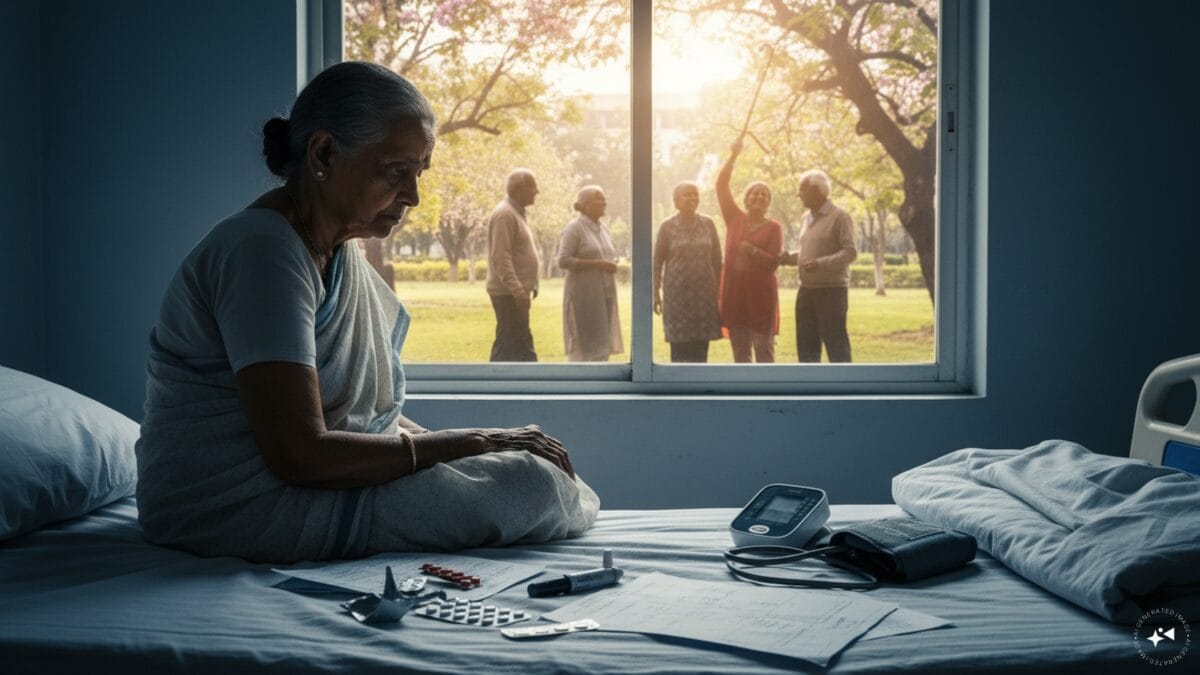
Last Updated:July 27, 2026, 11:19 ISTA Lancet study suggests the world has entered a new phase of ageing -- one where people are living longer, but also spending more years in poor healthRapid ReadRapid ReadSummarized by AI. +Lancet study: Longer lives, more years in poor health. Indians live longer but spend over a decade ill. Chronic diseases rising; healthcare faces challenges. A person may live to 75 or even 80, but if the last decade of life is spent coping with multiple chronic illnesses, frequent hospital visits and declining mobility, those additional years come with a very different reality. People are living longer than their parents and grandparents, thanks to better medicines, vaccines, safer childbirth and advances in treating diseases that were once considered fatal. The average Indian today lives more than a decade longer than someone born in the early 1990s. But those extra years are not always healthy ones. Recommended StoriesWho’s Looking After Your Parents? Why India’s Elder Care Crisis Is Just BeginningOpinion: The Jantar Mantar FormulaOur Heart Has A 'Little Brain'. New Study Reveals How It May Protect Us During Stress21,674 Deaths Recorded During France's Heatwave Period As Excess Mortality Hits 5,764A new global analysis published inThe Lancet Public Healthsuggests the world has entered a new phase of ageing — one where people are living longer, but also spending more years in poor health. Instead of spending their old age in travelling, staying active or enjoying retirement, millions of people could end up managing diabetes, heart disease, arthritis, dementia, kidney disease and other chronic illnesses. India Is Living Longer, But Not Necessarily HealthierLife expectancy has climbed from around 58 years in 1990 to more than 71 years today. Fewer children die before their fifth birthday, maternal deaths have declined sharply, and treatments for heart disease, stroke and cancer have become more effective than they were just a generation ago. Longevity tells only half the story. A person may live to 75 or even 80, but if the last decade of life is spent coping with multiple chronic illnesses, frequent hospital visits and declining mobility, those additional years come with a very different reality. That is exactly what the latest research highlights. The study says that healthy life expectancy fell short of total life expectancy by 10. 7 years, up from 8. 8 years in 1990. It also revealed that people across the world spent an average of 14. 5% of their lives in poor health, an increase from 13. 6% in 1990. “Our findings suggest that future gains in population health will not come only from helping people live longer, but from helping them live healthier," said senior author Christopher Murray, director, Institute for Health Metrics and Evaluation at the University of Washington’s school of medicine. What Is The Real Measure Of A Healthy Lifespan?When governments measure progress, they often focus on life expectancy — the average number of years a person is expected to live. Researchers say an equally important number is healthy life expectancy, sometimes called ‘healthspan’. Healthspan measures the years people can expect to live free from serious disease or disability. “Progress in healthy aging should be measured not only by lifespan, but by healthspan, with greater investment in prevention, long-term disease management, and chronic care to reduce years lived in poor health," said Murray. The difference between those two numbers tells an important story. Globally, people are living nearly nine years longer than they did three decades ago. But healthy life expectancy has not increased at the same pace. The result is a widening “morbidity gap"—the number of years people spend living with illness. In 1990, the average person spent about nine years in poor health before death. Today, that figure has risen to nearly 11 years. India mirrors the same pattern. Although life expectancy has improved dramatically, healthy life expectancy has not kept pace. On average, Indians now spend more than a decade living with disease or disability before the end of life. Chronic Diseases Are Increasingly CommonDiabetes is a major health concern in India, affecting 90-100 million people. There are additional 136 million people with prediabetes, according to comprehensive national studies like the ICMR-INDIAB assessment. High blood pressure often goes undiagnosed until it causes a heart attack or stroke. Nearly 50%-70% of individuals with hypertension remain undiagnosed due to a lack of routine screening and visible symptoms. Obesity is increasing among both adults and children. Nearly 15 million children aged five to nine years and more than 26 million children aged 10 to 19 years in India were overweight or obese in 2025, according to the World Obesity Atlas 2026. China, India and the United States each had over 10 million children living with obesity. India saw over 1. 7 million new cases of cancer in 2025, reported by the National Cancer Registry Programme (NCRP). It estimates that it may rise to 2. 5 million by 2030. According to researchers, India will be accountable for 16% of all cancer cases worldwide by 2035, with roughly 2. 9 million new cases per year. Tobacco smoking is an important contributor to the highest incidence of lip and oral cavity cancer (15. 6%) in men, which is followed by lung (8. 5%) and oesophageal cancer (6. 6%). The prevalence of breast cancer (26. 6%) is the highest among women, being followed by cervical (17. 7%) and ovarian cancer (6. 0%). Cancer deaths are increasing slightly each year, climbing faster among women (1. 5% to 4. 8% annual change) than men (1. 3% to 2. 6%). As people live longer, age-related conditions such as dementia, Alzheimer’s disease, arthritis, osteoporosis and chronic kidney disease have also become far more common. Unlike infectious diseases, these illnesses rarely disappear after a course of treatment. Instead, they often require lifelong medication, regular hospital visits and continuous monitoring. In other words, India is moving from treating diseases that last weeks to managing illnesses that last decades. Why India’s Ageing Population Could Be A ChallengeIndia has enjoyed a demographic dividend for years, with a large working-age population powering economic growth. But that advantage is gradually fading as the country ages. According to the United Nations Population Fund (UNFPA), India is currently home to around 153 million people aged 60 and above. That figure is projected to more than double to 347 million by 2050. Even before that, the Union Health Ministry’s population projections estimate that the country will have 230 million senior citizens by 2036. The largest nationwide ageing survey, the Longitudinal Ageing Study of India (LASI) 2021, estimates that those aged 60 and above already make up 12% of the country’s population. By 2050, that share is expected to rise to 19. 5%, translating into nearly 319 million senior citizens. The rapid rise in the elderly population is exposing major gaps in India’s healthcare and social support systems. A NITI Aayog paper released in 2024 on senior care reforms warns that the country still lacks a comprehensive and integrated policy for elderly care. It points to shortages in geriatric healthcare services, limited expertise in managing age-related illnesses, inadequate long-term care infrastructure and weak monitoring mechanisms. The health burden is already substantial. The LASI 2021 survey found that three out of every four elderly Indians (75%) live with at least one chronic disease, underscoring how ageing in India is increasingly accompanied by long-term illness rather than healthy living. Yet geriatric care remains underdeveloped and is still largely concentrated in urban centres. Financial security is another major concern. According to LASI, 78% of senior citizens do not receive a pension, while only 18% have health insurance coverage. Although several government welfare schemes exist for older adults, awareness remains low and many elderly people struggle with complex procedures to access the benefits they are entitled to. Experts say ageing can no longer be viewed simply as a welfare issue. It needs to become a central development priority, requiring stronger investment in healthcare, social security, long-term care and policies that help older adults live healthier, more independent lives. News18 NewsletterHandpicked stories, in your inboxA newsletter with the best of our journalismAbout the AuthorShilpy BishtShilpy Bisht is a News Editor at News18, where she leads the English app operations. She writes on world affairs, health, AI, career, business, and issues affecting women and children. A former print . . . Read MoreLocation :First Published:July 27, 2026, 11:19 ISTNewsexplainersIs This India's Next Health Crisis? Why Millions May Spend Their Last Decade Battling IllnessDisclaimer: Comments reflect users’ views, not News18’s. Please keep discussions respectful and constructive. Abusive, defamatory, or illegal comments will be removed. News18 may disable any comment at its discretion. By posting, you agree to ourTerms of UseandPrivacy Policy. Loading comments. . . Stay Ahead, Read FasterEnjoy uninterrupted reading? Unlock the full story, distraction-freeScan the QR code to download the News18 app and enjoy a seamless news experience anytime, anywhere. ORlogin