Keeping decisions local - Business News
While it is great to see councils around the Waikato sharing their views with the public on local government reform, one important opportunity hasn’t been aired. It is quite possible to both meet the Government’s requirement to form unitary authorities while keeping representation, decision-making and accountability local. The legislation allows for this, has protections toRead More
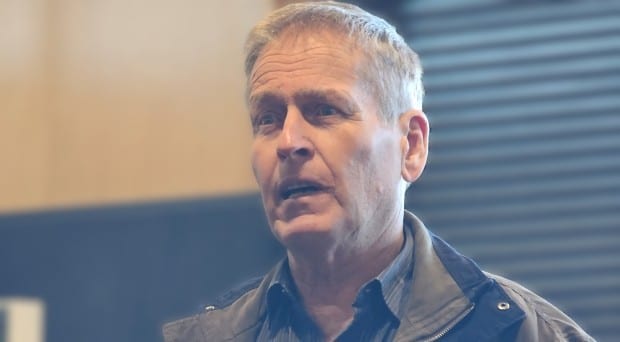
While it is great to see councils around the Waikato sharing their views with the public on local government reform, one important opportunity hasn’t been aired. It is quite possible to both meet the Government’s requirement to form unitary authorities while keeping representation, decision-making and accountability local. The legislation allows for this, has protections to ensure decision-making is kept local and Auckland City has successfully adopted this model. Graham PinnellIn its least disruptive form, Hamilton City and the district councils within the Waikato could become local boards that are elected by the locals. Local boards are totally different from community boards in that they have a duty to consult and powers to decide local matters. Residents within the local board areas would then be rated for local services and board members would be accountable through the election box, just as is currently the regime for district and city councils. If there was one Waikato unitary authority, the election process and accountabilities for the authority would not change from that of the current Waikato Regional Council. In other words, nothing would change in representation, accountability and rating systems. Citizens would still get to elect representatives for two tiers of local government. All this seems very similar to how councils operate today. Other arrangements are equally possible. Waipā might be split into Cambridge and Te Awamutu local boards. Similarly, Matamata-Piako District might form local boards around Matamata, Morrinsville and Te Aroha. The major difference with the status quo is that services would be delivered by the unitary authority in order to achieve the economies of scale sought by Government. Conceiving local government reform in this manner keeps “local” in local government while addressing the Government’s intention to improve efficiency, reduce duplication, streamline functions and have clear lines of accountability. Any proposal to create more than one Waikato unitary authority needs careful consideration, particularly when boundaries split communities of interest or river catchment boundaries. Take for example Waitomo’s proposal to form a King Country unitary authority with Otorohanga. Combining the communities makes perfect sense but creates challenges in regulating Waipa-Waikato River water takes and discharges. This demands a whole of catchment approach. A joint committee between King Country and other unitary authorities in the catchment would be required. This is not ideal as it invites two camps having entrenched positions. A separate service provider organisation may need to be formed with its own overheads, so greater complexity could result, which the Government wants avoided. King Country. Photo: Robert Thomson, Creative CommonsA desire that seems to be commonly expressed by both the residents of Hamilton City and those in the remainder of the Waikato is for the city to have its own unitary authority. The same issues arise as for the King Country proposal. Maybe the local board option that includes Hamilton as a local board addresses some of those concerns. One option of merit is to form two unitary authorities split by the eastern boundary of the Waikato River. Thames-Coromandel, Hauraki and Matamata-Piako could comprise an eastern authority and Waikato District, Hamilton City, Waipā, King Country and Taupo might form a western authority. South Waikato District is split in half by the catchments, so would need to be accommodated in one or other authority. However, the benefits of two authorities compared with a single Waikato authority are not apparent. The current combined turnover of Waikato councils is $1. 7 billion per year. This cost needs to be slashed from Day 1 if the economies of scale are to be realised. Excellent governance will be required. Ratepayers need relief to provide headroom for the anticipated large costs in bringing the 3-water services up to scratch. The mayors certainly have a challenge on their hands to navigate through these and many more complexities. Agreement will only possible if they and all others taking an interest in the reform look at what is best for the Waikato and not act in the interests of individual districts. Graham Pinnell at the Plan Change 1 public meeting. Photo: Mary Anne Gill