Kubayi faces Khampepe inquiry over stalled apartheid-era prosecutions - Inside Politics
Justice Minister Mmamoloko Kubayi will appear before the Khampepe Commission on Friday as the inquiry continues investigating whether political interference and decisions by state officials blocked the investigation and prosecution of apartheid-era crimes.
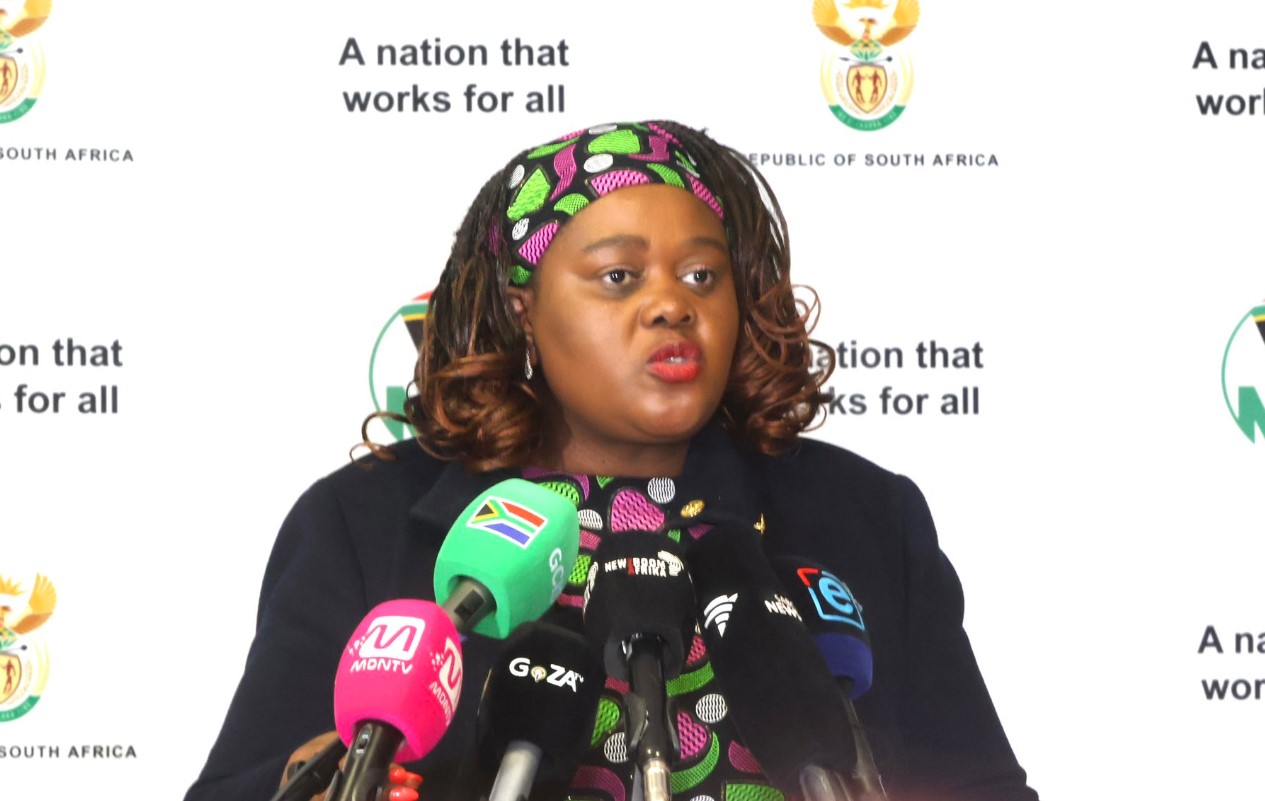
Staff ReporterJustice Minister Mmamoloko Kubayi will appear before the Khampepe Commission on Friday as the inquiry continues investigating whether political interference and decisions by state officials blocked the investigation and prosecution of apartheid-era crimes. Kubayi will testify at the Sci-Bono Discovery Centre in Newtown, Johannesburg, on the Justice Department’s role in dealing with apartheid-era cases, including its implementation of recommendations made by the Truth and Reconciliation Commission (TRC). “The Minister’s testimony will include, but not be limited to, matters relating to her role as Minister of Justice and Constitutional Development in the investigation and prosecution of apartheid-era crimes, as well as policies and inquests undertaken during her tenure. It will also address the role of the Department in implementing the recommendations of the Truth and Reconciliation Commission (TRC), together with any other matters on which the Commission may require information,” Kubayi’s office said in a statement. President Cyril Ramaphosa established the commission in May 2025 to determine whether attempts were made from 2003 onwards to prevent the investigation and prosecution of apartheid-era crimes. It is chaired by retired Constitutional Court judge Sisi Khampepe, assisted by retired Northern Cape Judge President Frans Diale Kgomo and Advocate Andrea Gabriel SC. More than 300 cases in which perpetrators were not granted amnesty were referred by the TRC for further investigation and possible prosecution, but most failed to progress through the criminal justice system. The long delays and lack of prosecutions prompted families of apartheid-era victims to take legal action against the state and ultimately led to the establishment of the inquiry. The commission has since heard evidence from former justice officials, prosecutors and heads of the National Prosecuting Authority (NPA) about decisions taken as the TRC cases stalled. Former acting national director of public prosecutions Silas Ramaite testified that then-justice minister Brigitte Mabandla instructed him in 2004 to suspend work on TRC cases while guidelines were developed. Evidence before the commission has also dealt with a forum of directors-general which wanted the NPA to wait for its recommendations before proceeding with prosecutions. Former national director of public prosecutions Vusi Pikoli has given evidence about what he said was political pressure surrounding the cases, while his predecessor Bulelani Ngcuka denied that political interference had stopped prosecutions during his tenure. Ngcuka told the inquiry the NPA had established a specialised unit to deal with TRC cases and said prosecutors should have been guided by the law when deciding whether to proceed. Former NDPP Shamila Batohi, who headed the NPA from 2019 until January 2026, told the commission that the dedicated TRC component had been strengthened during her tenure and that prosecutors had pursued reopened inquests involving cases including those of Griffiths Mxenge, Chief Albert Luthuli, the Cradock Four and Steve Biko. The inquiry has also heard evidence from former TRC commissioner Advocate Dumisa Ntsebeza, whose earlier review for the NPA raised concerns about systemic obstacles affecting the prosecution of the cases. Ntsebeza told the commission in April that the failure to deal with the cases had denied families justice and accountability. Evidence presented during his testimony included the 2004 instruction to suspend work on TRC cases, the subsequent prosecutorial guidelines and the role of government departments in the handling of the cases. The commission has not yet issued substantive findings or recommendations. Its final report is due to be submitted to Ramaphosa by 18 December after he extended its term in May. Said Kubayi’s office: “The Department remains committed to promoting accountability, transparency, and justice in addressing the legacy of South Africa’s past. ”INSIDE POLITICS