LA Times: Climate Change is NOT Taking Food Off Your Table
Essay by Eric WorrallHow times have changed – a major Californian news outlet publishing a climate skeptic article. Bjorn LomborgClimate change isn’t taking food off your tableNo morning ritual is safe from. . .
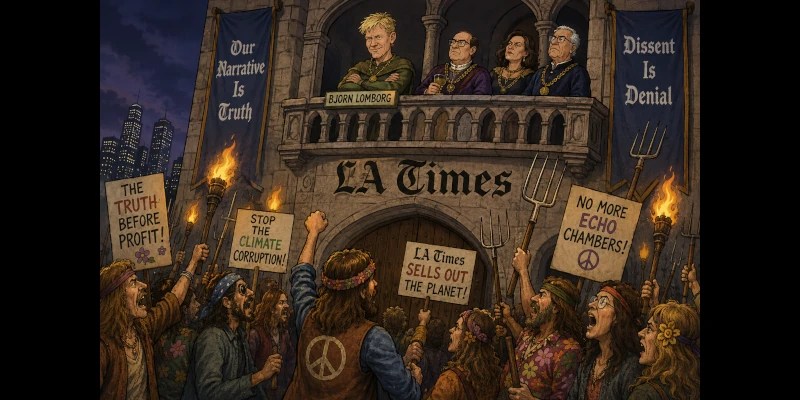
Essay by Eric WorrallHow times have changed – a major Californian news outlet publishing a climate skeptic article. Bjorn LomborgClimate change isn’t taking food off your tableNo morning ritual is safe from climate alarm. In June, the journalNature declaredthat coffee is “critically threatened by climate change” and described scientists racing to save your espresso from “extinction. ” TheNew York Times blamessky-high coffee prices on climate-driven supply crunches in Brazil and Vietnam. And your olive oil?CNNandBloombergwail about a seemingly permanent “crisis,” with Mediterranean droughts foretelling a future in which an everyday staple vanishes for good. The message is unmistakable: Global warming is coming for your family’s dinner table, and only sweeping climate policy can save it. The message is also wrong. Cut through the hype and food is both more plentiful and cheaper today, after adjusting for inflation, than it was during almost all of the 20th century. Start with coffee, supposedly on its deathbed. This year,global coffee productionis expected to set yet another record — more thandoublethe world’s output of 50 years ago. Crops on the brink of extinction don’t deliver record harvests. And despite recent price bumps, the real price of coffee has trended downward since 1960. Adjusted for inflation, coffee this century has cost on average half of what it cost in the last century. How do outlets like the New York Times get it so wrong? Byinexcusably ignoring inflation— comparing coffee prices from the 1970s, expressed in the dollars of that day, with prices expressed in today’s dollars. By that standard, everything is at a record high, always. …Read more:https://www. latimes. com/opinion/story/2026-07-14/climate-change-food-scarity-factsThe rest of the article is well worth reading – Bjørn Lomborg dissecting the frequently repeated false claim that all the crops are going to die because of a little more warm weather. But I had to double check which publication I was reading. I’d love to know the inside story of how this happened, how an outlet like LA Times came to publish something so skeptical. Did LA Times executives notice a sudden outbreak of skepticism amongst their readers? Are they testing the water to see how their readers respond? Has someone in charge finally found the balls totell the emperor he has no clothes?If anyone knows what is happening in California please tell us in comments. 00votesArticle RatingPost navigation