Mainland blogger lists 8 key lifestyle differences between Hong Kong and mainland China
A mainland Chinese social media user has sparked widespread discussion after outlining what she described as eight major differences between daily life in Hong Kong and on the mainland, remarking that the two places feel like “entirely different worlds”.
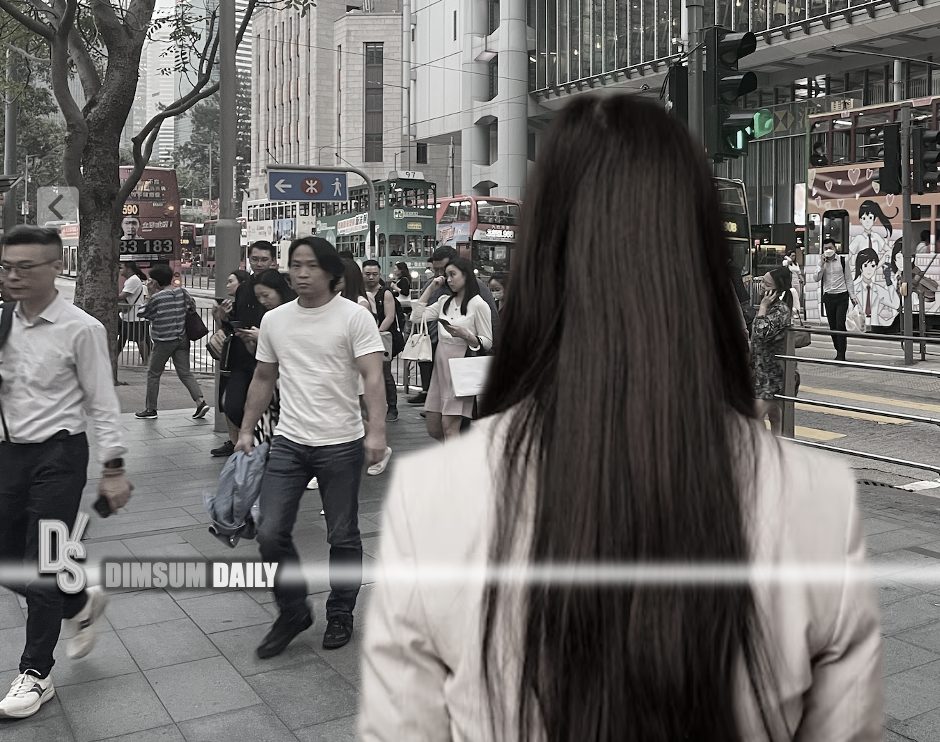
20th June 2026 – (Hong Kong) A mainland Chinese social media user has sparked widespread discussion after outlining what she described as eight major differences between daily life in Hong Kong and on the mainland, remarking that the two places feel like “entirely different worlds”. In her post, titled “Am I the only one who feels Hong Kong and the mainland are two separate worlds?”, she argued that despite their geographical proximity, the two societies diverge markedly in everyday practices and social norms. From the side of the steering wheel in cars and the currency in circulation to the type of electrical sockets in use, she noted numerous small but telling distinctions. One of the most striking contrasts she identified concerns property and living arrangements. In Hong Kong, residential space is typically measured in square feet rather than square metres, and even compact urban flats can command prices of several million Hong Kong dollars. She also pointed out that the city uses seawater for toilet flushing in order to conserve fresh water, describing it as an unusual but practical feature of local life. On transport, she observed that taxi fares in Hong Kong are comparatively high, with additional charges for storing luggage in the boot. By contrast, she praised the efficiency of the railway network, where passengers can travel seamlessly using an Octopus card without passing through security checks, reflecting what she viewed as an orderly and disciplined civic culture. The blogger also highlighted differences in identity regulations, noting that it is an offence in Hong Kong not to carry an identity card. Police may conduct random checks in public, and failure to produce valid identification can result in penalties — a requirement she said differs from common practice on the mainland. Healthcare provision was another area of comparison. She described Hong Kong’s public medical system as affordable, with relatively low consultation and hospital fees, although waiting times can be lengthy. As private healthcare is expensive, many residents choose to take out medical insurance. Turning to social values, she remarked on distinctions in attitudes towards marriage and finances. Under Hong Kong law, individuals may marry from the age of 16. She also noted that there is no automatic concept of jointly owned marital property, suggesting that clearer separation between personal finances and relationships contributes to what she perceives as a more pragmatic and independent outlook among women. Education featured prominently in her observations. She wrote that Hong Kong pupils often finish school in the early afternoon, while mainland students frequently attend additional tuition classes at weekends amid intense academic competition. In her view, Hong Kong schools appear to place greater emphasis on developing communication and presentation skills. She further commented on the school admissions system, pointing out that parents in Hong Kong are not required to purchase property in designated catchment areas in order to secure a place at a preferred school. With 15 years of free education available, she suggested that the arrangement has attracted attention from mainland families. Beyond policy differences, she described the city’s streetscape as distinctive, characterised by traditional Chinese characters on shop signs and a setting reminiscent of scenes from classic Hong Kong television dramas.