Middle East on edge: Iran-Israel conflict reignited by ceasefire breach - EUROPE SAYS
JERUSALEM (AP) — The Middle East is bracing for war again. Iran fired missiles at Israellate Sunday in the first such bombardment in the two months since a ceasefire. Israel launched airstrikes early Monday. . .
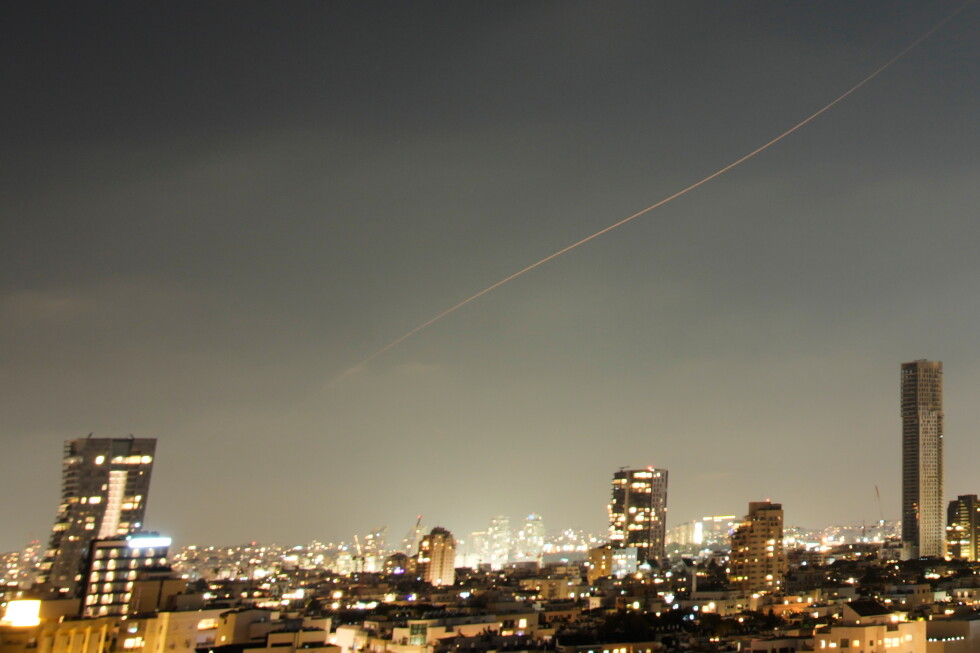
JERUSALEM (AP) — The Middle East is bracing for war again. Iran fired missiles at Israellate Sunday in the first such bombardment in the two months since a ceasefire. Israel launched airstrikes early Monday targeting central and western Iran in response. The truce in theIran warthat was reached in April has not spread to Lebanon, where Israel has been battling Iranian-backed Hezbollah militants. Israel says it is defending its northern communities that face Hezbollah drone and rocket fire. Iran sees Israel’s ground invasion, with thousands of troops, and airstrikes in Lebanon as a ceasefire violation. It insists that any deal with the United States must end the fighting there. Israel disagrees. Here’s a timeline of key events. Feb. 28The United States and Israel attack Iran. War begins. March 2Hezbollah enters the war by firing rockets at Israel. Israel retaliates. April 7A fragile ceasefire in the Iran war is announced, with talks to continue. Israel is not included in negotiations. April 8Israel bombards Lebanon’s capital, Beirut,killing over 300 peoplein a 10-minute attack. April 14Lebanon and Israel hold theirfirst direct diplomatic talksin decades in Washington. April 17A fragile ceasefire is announced between Israel and Lebanon, but Hezbollah plays no part. Fighting soon resumes from both sides. May 31Israel’s ground invasion of Lebanon makes itsdeepest incursionin over a quarter-century as Hezbollah continues to pound northern Israel and Israeli soldiers in southern Lebanon with drones and missiles. June 1Israeli Prime Minister Benjamin Netanyahu threatens to strike Beirut if Hezbollah attacks against Israel don’t stop. U. S. President Donald Trump says Israel and Hezbollahagree to calm the fighting. June 3Israel and Lebanon say they agree torenew the fragile ceasefireand create security zones that exclude Hezbollah. June 4Hezbollah’s leaderrejects the ceasefire agreementand demands that Israel withdraw from Lebanon. Both Hezbollah and Israel continue firing at each other. June 5Iran’s paramilitary Revolutionary Guard says “there will beno calm in the region” if Israel doesn’t withdraw from Lebanon. The fighting since March 2 had killed more than 3,500 people in Lebanon. Almost 30 Israeli soldiers and a defense contractor were killed in or around southern Lebanon, and two civilians were killed in northern Israel. Sign up for Morning Wire:Our flagship newsletter breaks down the biggest headlines of the day. June 7Hezbollah continues firing at Israel. Israel strikes Beirut’s southern suburbs. Iran fires at Israel. June 8Israellaunches airstrikesin the early morning targeting central and western Iran in response to Iranian missile fire. By evening Israel and Iran both appear to have backed down. Netanyahu threatens to resume strikes if Iran launches any more missiles, and says Israel will continue operating against Hezbollah. Tags:Benjamin NetanyahuConflictsDonald Trumpgeneral newsHezbollahIranIran governmentiran warIsraelisrael governmentLebanonMIDEAST WARSPoliticsWar and unrestWashington newsWorld News