New Study of 4,000 Adults Shows Brain Health Can Improve at Any Age — Even in Your 80s and 90s
One of the most damaging assumptions aboutcognitive agingis that improvement stops at a certain age. A three-year longitudinal study of nearly 4,000 adults, published inScientific Reportsand covered by. . .
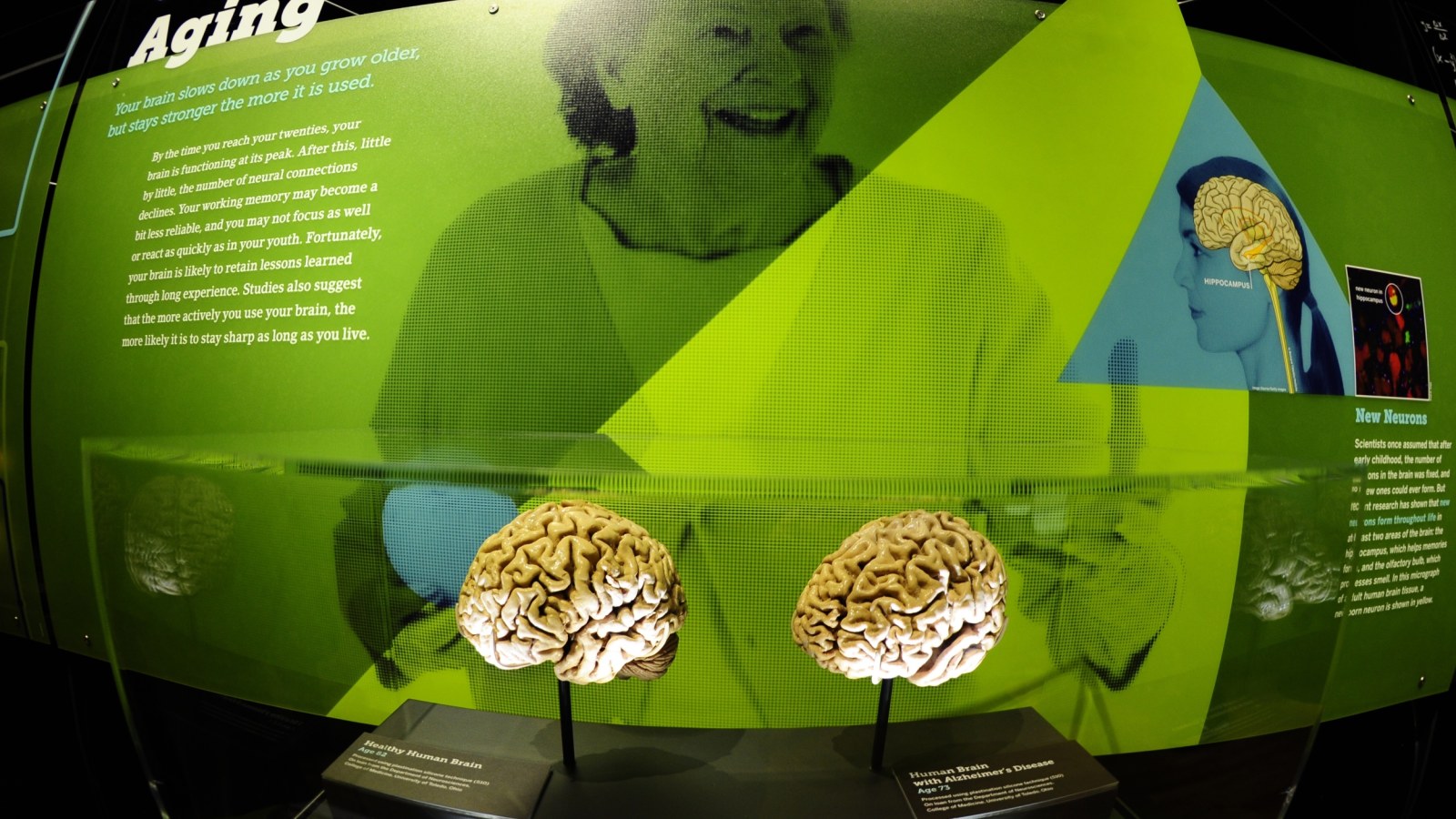
One of the most damaging assumptions aboutcognitive agingis that improvement stops at a certain age. A three-year longitudinal study of nearly 4,000 adults, published inScientific Reportsand covered by ScienceDaily on June 13, 2026, provides some of the most robust evidence yet that this assumption is wrong. Researchers at theUT Dallas Center for BrainHealthtracked 3,966 adults aged 19 to 94 over three years and found that consistent engagement in targeted brain-health practices produced measurable cognitive improvements across every age group studied — with no upper ceiling of improvement detected and the greatest gains in those who started with the lowest scores. What the Study Measured and FoundParticipants were tracked using the BrainHealth Index (BHI) — a multidimensional assessment developed at UT Dallas incorporating cognitive tasks, sleep quality, and psychological well-being. They spent 5 to 15 minutes daily on brain training activities targeting higher-order cognitive functions: strategic thinking, reasoning, and information integration rather than simple memory drills. UT Dallas BrainHealth Study Key DataDetailPublished inScientific Reports(Nature Portfolio)ScienceDaily coverageJune 13, 2026Conducted byUT Dallas Center for BrainHealthStudy designThree-year longitudinalParticipants3,966 adults aged 19 to 94Assessment toolBrainHealth Index (BHI)Daily practice5–15 minutes/dayKey findingImprovement at every age, no upper age ceilingStrongest predictor of improvementEngagement consistency (more than age, education, or gender)Participants with largest gainsThose with lowest starting scoresEngagement — consistency of daily practice — was the single strongest predictor of improvement, more powerful than age, gender, education level, or baseline cognitive status. What Brain-Healthy Practices Actually MeanThe BrainHealth Index is not a simple IQ test. It captures functional cognitive improvements that generalize beyond specific trained tasks — reasoning ability, executive function, emotional regulation, and information synthesis, alongside sleep quality and psychological well-being. The UT Dallas approach emphasizes higher-order cognitive activities: synthesizing complex information from multiple sources, novel problem-solving, substantive conversations requiring reasoning, learning new skills, and creative tasks. These are distinct from commercial brain game apps — many of which improve performance on trained tasks without generating broader cognitive benefit. Evidence-based elements of brain health maintenance that complement this research include regular aerobic exercise (which directly promotes hippocampal neurogenesis), quality sleep (critical for memory consolidation and metabolic waste clearance), social engagement with cognitively stimulating conversation, and novel skill acquisition. The five-to-15-minute daily practice in this study was not consumer"brain games"but structured cognitive training designed by neuropsychologists. The finding that people starting with the lowest scores show the greatest gains has significant implications for early intervention in cognitive aging and mild cognitive impairment. Frequently Asked QuestionsWhat did the UT Dallas brain health study find?A 3-year longitudinal study of 3,966 adults aged 19–94, published inScientific Reports, found that consistent daily engagement in targeted brain health practices produced measurable cognitive improvements at every age — including in people in their 80s and 90s. No upper age ceiling for improvement was found. What is the BrainHealth Index?A multidimensional cognitive assessment developed at UT Dallas Center for BrainHealth. It measures reasoning, executive function, information synthesis, emotional regulation, sleep quality, and psychological well-being — designed to capture functional improvements that generalize beyond specific trained tasks. How much time did participants spend on brain training?5 to 15 minutes per day over three years. Consistency of engagement was the strongest predictor of improvement — more important than age, gender, or education. Who improved the most?Those with the lowest starting BrainHealth Index scores showed the greatest absolute gains — suggesting cognitively vulnerable individuals may be the most responsive to targeted intervention. What brain activities does this research support?Higher-order cognitive activities: synthesizing complex information, novel problem-solving, new skill learning, creative tasks, and substantive reasoning-based conversations — alongside physical exercise, quality sleep, and social engagement.