Ocean Health Declines As Climate Change And Pollution Accelerate: UN Report - Sigma Earth
Ocean health declines at an alarming pace as climate change, pollution, overfishing, and biodiversity loss place growing pressure on marine ecosystems, according to the latestUnited Nations World Ocean. . .
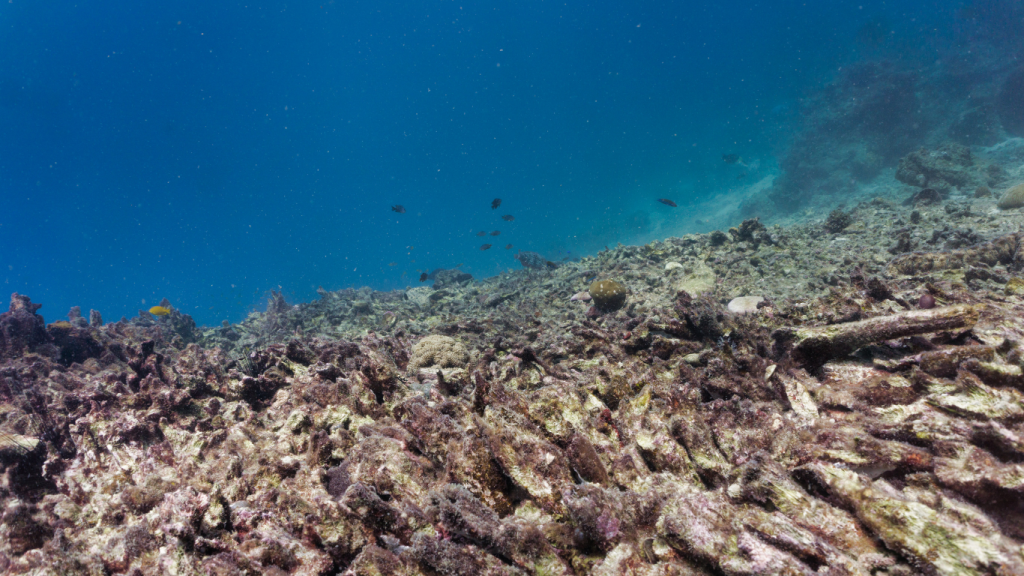
Ocean health declines at an alarming pace as climate change, pollution, overfishing, and biodiversity loss place growing pressure on marine ecosystems, according to the latestUnited Nations World Ocean Assessment. Compiled by more than600 scientists from 86 countries, the 1,352-page report describes a “deepening crisis” affecting oceans that support billions of people worldwide. The assessment highlights thatfish stocks provide around 20% of the animal protein consumed globally, while nearly3 billion people live within 100 kilometers of the coast. Scientists warn that without urgent action, the ongoing deterioration of ocean ecosystems could threaten food security, climate stability, and economic activity on a global scale. Oceans Under Increasing PressureThe report identifies multiple interconnected threats affecting marine environments. Climate changecontinues to warm ocean waters, while pollution from plastics, chemicals, agricultural runoff, and untreated sewage is degrading water quality and harming marine life. Researchers found that contaminants are accumulating throughout the food chain, eventually reaching seafood consumed by humans. At the same time, biodiversity loss and unsustainable fishing practices are weakening the resilience ofmarine ecosystems. Key Findings from the UN Ocean AssessmentIndicatorLatest FindingsScientists involved600+ from 86 countriesPeople living near coasts3 billionGlobal economic activity linked to coastsUp to 45%Marine species supported by coral reefs25%Global fish stocks overfished (2021)38%Annual sea level rise (2013–2023)4. 3 mmGlobal seabed mapped27%Also Read:National Security Cited As DOJ Seeks To Halt Musk’s xAI Pollution LawsuitCoral Reefs and Fisheries Face Growing RisksOne of the most concerning findings is the continued decline ofcoral reef ecosystems. Coral reefs provide habitat for roughly 25% of all marine species,yet rising ocean temperatures are causing widespread bleaching and ecosystem disruption. The report notes thatone-sixth of all ocean heat absorbed during the past 70 years occurred between 2018 and 2023 alone, highlighting how rapidly warming has accelerated. As oceans heat up, marine species are increasingly migrating toward cooler waters, disrupting local fisheries and affecting communities that depend on them for food and income. Meanwhile, overfishing remains a major challenge. Around38% of global fish stocks were being harvested faster than they could naturally replenish in 2021, up from 35% just two years earlier. Also Read:EU Achieves 17% Reduction In Greenhouse Gas Emissions Since 2015: ReportRising Seas Threaten Coastal CommunitiesThe report also links ocean warming to accelerating sea-level rise. As seawater heats up, it expands, contributing significantly to rising ocean levels. Scientists estimate thatwarming oceans are responsible for30% to 50% of global sea-level rise. Between 2013 and 2023, sea levels rose at an average rate of 4. 3 millimeters per year, more than double the 2. 1 millimeters annually recorded between 1993 and 2002. Higher sea levels increase the risk of coastal flooding, shoreline erosion, saltwater intrusion, and infrastructure damage, particularly in low-lying coastal regions. Also Read:Scientists Map Widespread Climate-Resilient Coral Reefs Withstanding Warming OceansPollution Continues to Worsen Ocean ConditionsThe UN assessment emphasizes that pollution remains one of the most persistent threats to marine health. Plastic waste, industrial chemicals, agricultural runoff, and sewage continue to enter oceans at large scales. Rather than remaining isolated, many of these pollutants move through marine food webs, affecting fish, seabirds, marine mammals, and ultimately human populations that rely on seafood. The report also warns that emerging industries such asdeep-sea miningcould create additional risks for fragile seabed ecosystems that scientists still know relatively little about. Also Read:New IIT Study Highlights Deadly Impact Of Heatwaves On Ozone PollutionMuch of the Ocean Remains UnexploredDespite decades of research, large portions of the ocean remain poorly understood. Scientists noted that only27% of the global seabed has been mapped, leaving significant knowledge gaps about deep-sea biodiversity and ecosystem vulnerability. This lack of information makes long-term conservation planning more difficult at a time when climate pressures are intensifying. Although ocean health declines remain a major concern, researchers point to several positive developments. One of the most significant is the ratification of theUN High Seas Biodiversity Treaty, which allows countries to establish protected areas in international waters. Also Read:12 Animals Declared Extinct In The Last Decade: Species We Have Lost ForeverSarah Tancredi is an experienced journalist and news reporter specializing in environmental and climate crisis issues. With a deep passion for the planet and a commitment to raising awareness about pressing environmental challenges, Sarah has dedicated her career to informing the public and promoting sustainable solutions. She strives to inspire individuals, communities, and policymakers to take action to safeguard our planet for future generations. View all posts