Premiers reignite push for considerably more health funding from feds
Skip to ContentHomeFilter by RegionSaint John & SouthFredericton & WestMoncton to MiramichiNorthern N. B. The IssuesHealth careEducationFirst NationsHousingFinance & TaxesEnergy &. . .
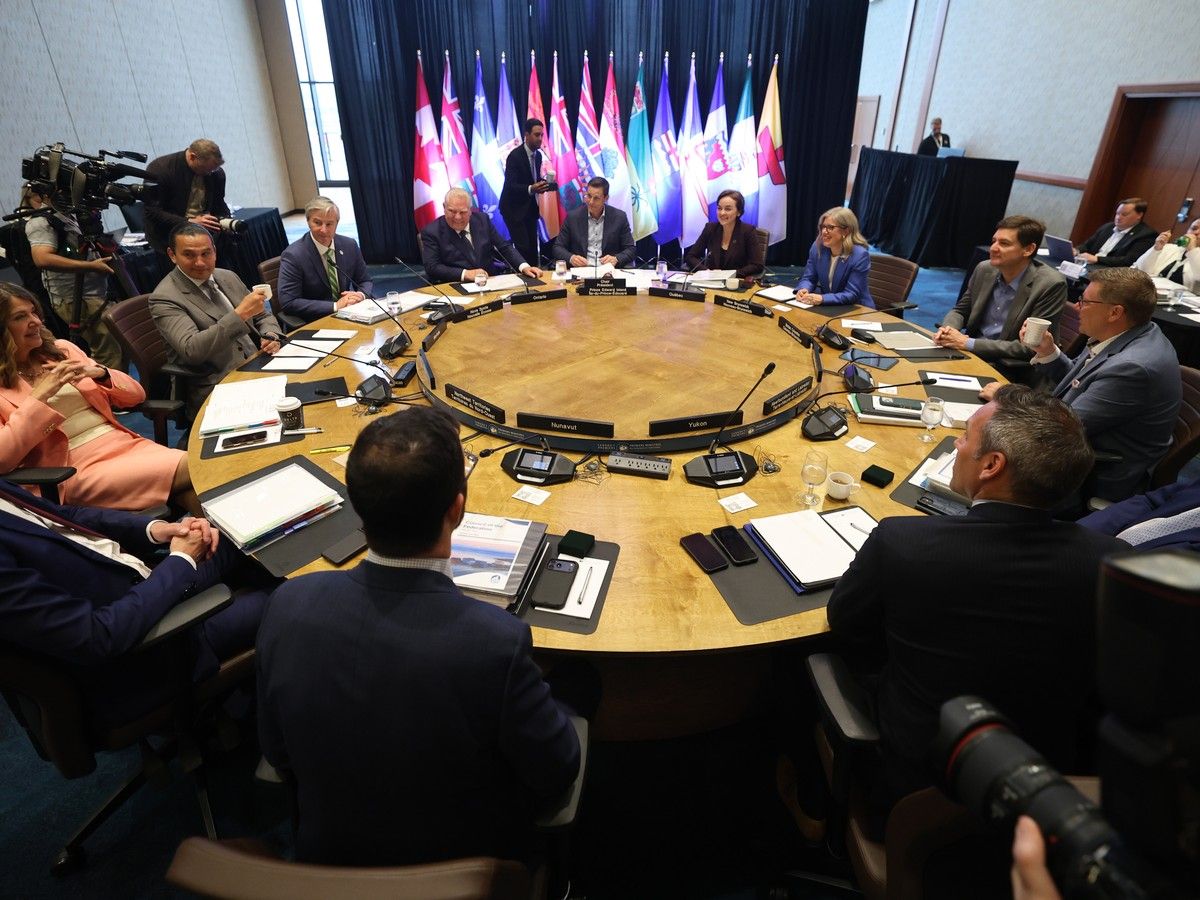
Skip to ContentHomeFilter by RegionSaint John & SouthFredericton & WestMoncton to MiramichiNorthern N. B. The IssuesHealth careEducationFirst NationsHousingFinance & TaxesEnergy & EnvironmentImmigrationPovertyDevelopmentMunicipalitiesCourtsTJ CommentEditorialsColumnistGuest op-edPublic Works & TransportLettersCanada & WorldSportsLocal SportsLifeTravelTravel CanadaTravel USATravel InternationalCruisesTravel EssentialsSavingsN. B ArchivesLives ToldShoppingTelegraph-Journal StorePuzzmoSaloninfoweekendBusiness AdsObituariesClassifiedsAdvertisingAdvertising With UsAdvertising SolutionsPostmedia Ad ManagerSponsorship RequestsCareersE-EditionNewslettersManage Print SubscriptionProfileSettingsMy SubscriptionsSaved ArticlesNewslettersCustomer ServiceFAQThe IssuesCourtsTJ CommentCanada & WorldSportsLifeN. B ArchivesShoppingPuzzmoSalonBusiness AdsObituariesClassifiedsE-EditionNewslettersManage Print SubscriptionNew BrunswickThe IssuesHealth carePremiers reignite push for considerably more health funding from fedsPremier Susan Holt says federal transfer formula should pay out more to provinces whose residents are aging more rapidlyPublished Jul 22, 2026•Last updated 37 minutes ago•3 minute readYou can save this article by registering for freehere. Orsign-inif you have an account. The country's premiers are seen prior to their meeting Wednesday morning at Canada's Premiers 2026 in Charlottetown. Photo by Tim Krochak/PostmediaCanada’s premiers are reigniting a push to see the federal government pay considerably more for health care across the country. Subscribe now to read the latest news in your city and across Canada. Unlimited online access to articles from across Canada with one account. Get exclusive access to the e-Edition, an electronic replica of the print edition that you can share, download and comment on. Enjoy insights and behind-the-scenes analysis from our award-winning journalists. Support local journalism and the next generation of journalists. Subscribe now to read the latest news in your city and across Canada. Unlimited online access to articles from across Canada with one account. Get exclusive access to the e-Edition, an electronic replica of the print edition that you can share, download and comment on. Enjoy insights and behind-the-scenes analysis from our award-winning journalists. Support local journalism and the next generation of journalists. Create an account or sign in to keep reading. Access articles from across Canada with one account. Enjoy additional articles per month. Get email updates from your favourite journalists. Create an account or sign in to continue with your reading experience. Access articles from across Canada with one accountShare your thoughts and join the conversation in the commentsEnjoy additional articles per monthGet email updates from your favourite authorsThat’s as Premier Susan Holt says a federal health transfer formula should also pay out more to provinces whose residents are aging more rapidly. The future of health care funding was on the agenda as meetings between the country’s premiers concluded in Prince Edward Island on Wednesday. They’ll now meet with Prime Minister Mark Carney on Thursday. “The intent under the Health Transfer Act was for 50-50 funding between the provinces and the country, and today the country’s portion is down to 21 per cent,” Holt told reporters at the Charlottetown meetings. “So we need to see that come back up because the needs are greater. “We know we have a population that has more serious health concerns. Certainly in New Brunswick, we have a population that is older than the rest of the country and experiences higher levels of chronic disease dispersed across our beautiful province from corner to corner to corner. ”Holt added: “We think the Health Transfer Act needs to recognize the needs because we cannot grow our economy and invest in our defence sector and improve all of our energy offerings without that healthy workforce, and that requires the federal government to contribute at the same levels as the provinces. ”A clear and concise roundup to start your weekday morning. By signing up you consent to receive the above newsletter from Postmedia Network Inc. A welcome email is on its way. If you don't see it, please check your junk folder. The next issue of Morning Email Telegraph-Journal will soon be in your inbox. We encountered an issue signing you up. Please try againIt’s an argument premiers have brought before, and one that Ottawa has also disagreed with. Canada’s premiers have long lobbied Ottawa to increase its share of national health-care costs to 35 per cent, from what it maintains is only around 20 per cent. Those numbers are refuted. The feds point to a change in the funding formula in the 1990s, agreed upon by provinces, that replaced the federal government’s share with a mix of cash and tax points transferred from the federal government to the provinces. Still, in 2023, the former Trudeau government topped up health care transfers in a new 10-year deal. That agreement sees health transfers increase by a guaranteed five per cent for a first five years, compared to the minimum three per cent in a former deal. It meant more than $1. 4 billion in new health care money over the next decade for New Brunswick. It also included an immediate $2 billion top-up to the Canada Health Transfer to address urgent pressures on the system. That meant an extra $42 million for New Brunswick at the time. This year, New Brunswick’s Canada Health Transfer from Ottawa is pegged to be $1. 203 billion. The feds say that’s up $61 million year over year. Still, Holt’s call is being echoed by other premiers. The public health care system is one of the fundamental ways Canada sets itself apart from the United States, said Manitoba Premier Wab Kinew. “It’s one of the reasons Canadians live longer than Americans,” he said. “And this is why businesses should realize that their investment in Canada is more competitive than putting those dollars forward in the States because they would be paying less towards the health care policy. ”Prince Edward Island Premier Rob Lantz, who chaired the premiers’ meeting, said the provinces collectively look forward to bringing their ask to Carney on Thursday. “We certainly had a robust discussion about health care in this country and the need for the federal government to come to the table as a strong, stable, reliable partner that’s able to fund universal health care across this entire country,” he said. “We had a robust discussion today about the role that we expect the federal government to play. “We need a long-term commitment. ”Lantz said aspects of the federal agreements with all of the provinces will expire in about 18 months. “So we’re looking forward to that conversation tomorrow with the prime minister,” he said. Nova Scotia Premier Tim Houston said there have been tangible results to show for from provincial and federal funding to date, noting that, in his province, under six per cent of residents aren’t tied to a family practice. “But we can’t jeopardize the standard of care,” he said. “We need a partner from the federal government who’s there and recognizes that and does their part. ”Join the ConversationMoncton to MiramichiNew BrunswickNew BrunswickNew BrunswickMoncton to MiramichiThis website uses cookies to personalize your content (including ads), and allows us to analyze our traffic. Read more aboutcookies here. By continuing to use our site, you agree to ourTerms of UseandPrivacy Policy.