Raising awareness and advocating for brain health on World Brain Day
Skip to ContentSubscribeFAQMy AccountNewsToronto & GTAOntarioCanadaWorldCrimeTrue CrimeWeirdMoneyTechnologyTech EssentialsGamingGadgetsWeatherPodcastsOpinionEditorialsColumnistsEditorial. . .
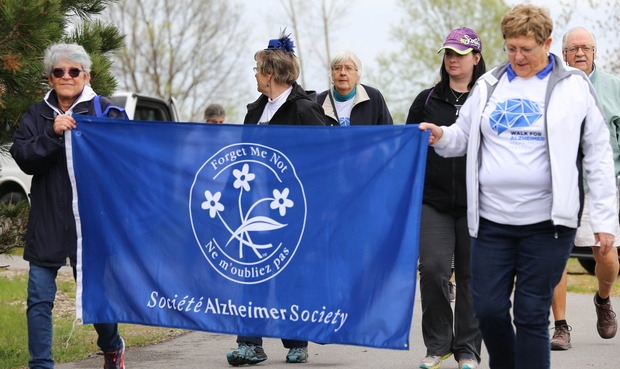
Skip to ContentSubscribeFAQMy AccountNewsToronto & GTAOntarioCanadaWorldCrimeTrue CrimeWeirdMoneyTechnologyTech EssentialsGamingGadgetsWeatherPodcastsOpinionEditorialsColumnistsEditorial CartoonsLettersSend Letter to the EditorSportsHockeyPWHLToronto Maple LeafsNHLSoccerToronto FCMLSBaseballToronto Blue JaysMLBBasketballToronto RaptorsNBAWNBAFootballToronto ArgonautsCFLNFLGolfOther SportsOlympicsCurlingTennisHorse RacingWrestlingFIFA World Cup 2026EntertainmentCelebrityMoviesMusicTelevisionTV ListingsLifeEatFashion & BeautyRelationshipsAdviceSex FilesHealthHealthingDiet & FitnessHomesTravelTravel InternationalTravel USATravel CanadaOntario TravelTravel EssentialsSavingsContestsLives ToldTails ToldShoppingToronto Sun StoreDrivingVehicle ResearchReviewsNewsGear GuideObituariesPlace an ObituaryPlace an In MemoriamAdvertisingAdvertising With UsAdvertising SolutionsPostmedia Ad ManagerSponsorship RequestsClassifiedsPlace an AdBusiness Card DirectoryCelebrationsWorkingBusiness AdsThis Week's FlyersePaperSUNShine GirlsBecome a Sunshine GirlPuzzmoDiversionsComicsPuzzlesHoroscopesNewslettersManage Print SubscriptionProfileSettingsMy SubscriptionsSaved ArticlesMy OffersNewslettersCustomer ServiceFAQNewsOpinionSportsFIFA World Cup 2026EntertainmentLifeShoppingDrivingObituariesClassifiedsePaperSUNShine GirlsPuzzmoNewslettersManage Print SubscriptionHealthDiet & FitnessNewsOntarioRaising awareness and advocating for brain health on World Brain DayAbout 747,000 Canadians live with Alzheimer's disease or other forms of dementiaPublished Jul 21, 2026•3 minute readYou can save this article by registering for freehere. Orsign-inif you have an account. Walkers hold up a banner during the Quinte West Walk for Alzheimer’s at Centennial Park on Saturday, May 13, 2017 in Trenton, Ont. The walk is an annual fundraiser for the Alzheimer Society of Hastings-Prince Edward. World Brain Day is scheduled for July 22, and its main purpose is to raise awareness about neurological disorders and advocate for brain health. Photo by Tim Miller/POSTMEDIA NETWORKWe independently select everything we recommend. Buying through us may earn us a commission, which supports our work. See more Toronto Sun on Google —save as a Preferred SourceSubscribe now to read the latest news in your city and across Canada. Unlimited online access to articles from across Canada with one account. Get exclusive access to the Toronto Sun ePaper, an electronic replica of the print edition that you can share, download and comment on. Enjoy insights and behind-the-scenes analysis from our award-winning journalists. Support local journalists and the next generation of journalists. Daily puzzles including the New York Times Crossword. Subscribe now to read the latest news in your city and across Canada. Unlimited online access to articles from across Canada with one account. Get exclusive access to the Toronto Sun ePaper, an electronic replica of the print edition that you can share, download and comment on. Enjoy insights and behind-the-scenes analysis from our award-winning journalists. Support local journalists and the next generation of journalists. Daily puzzles including the New York Times Crossword. Create an account or sign in to continue with your reading experience. Access articles from across Canada with one account. Share your thoughts and join the conversation in the comments. Enjoy additional articles per month. Get email updates from your favourite authors. Create an account or sign in to continue with your reading experience. Access articles from across Canada with one accountShare your thoughts and join the conversation in the commentsEnjoy additional articles per monthGet email updates from your favourite authorsEven though the World Health Organization (WHO) recently updated its guidelines on reducing the risk of cognitive decline anddementia, a Toronto-based doctor says preventative measures go a long way too. “The best medicine is always prevention,” Dr. Howard Chertkow told theToronto Sun. “(We need to emphasize) education, lifestyle and motivation programs, while educating the public on what they can do to preserve brain function as they get older. ”Chertkow is the scientific director at Toronto-based Baycrest’s Kimel Family Centre for Brain Health and Wellness. World Brain DayisJuly 22, and its main purpose isto raise awareness about neurological disorders and advocate for brain health. According to theAlzheimer’s Association, about 747,000 Canadians live with Alzheimer’s disease or other forms ofdementia. Dementia is caused by brain diseases and affects memory, thinking and the ability to function. There is no cure for dementia, but theWHO studysays that up to 45% of dementia risk could be prevented or delayed. Your noon-hour look at what's happening in Toronto and beyond. By signing up you consent to receive the above newsletter from Postmedia Network Inc. A welcome email is on its way. If you don't see it, please check your junk folder. The next issue of Your Midday Sun will soon be in your inbox. We encountered an issue signing you up. Please try again“At the top of the list is exercise,” Chertkow said. “When you exercise, you are reducing the risk the heart disease, reducing the risk of stroke and depression and reducing the risk of dementia. Getting people to stop being a couch potato at any age and getting them to do 150 minutes a week of vigorous exercise, if we could do that for every Canadian that would be one of the biggest steps we could do to preserve people’s brains. ”The doctor went on to emphasize that simple adjustments in everyday life, things like diet, social interaction, playing games, doing intellectually demanding activities, avoiding toxins like alcohol or cannabis, or addressing sleep apnea issues can help with overall brain health. Apparently, flossing your teeth helps, too. “The bacteria that grow in your gums accumulate bio germs and flossing your teeth once a day decreases the bacterial load and helps protect the brain,” Chertkow said. New and expensiveThere is a drug on the market called Lecanemab. The Canadian Drug Agency (CDA) rejected it initially “because their analysis suggested the benefit simply wasn’t strong enough to bring it into the country,” Chertkow said. It works bytargeting and clearing toxic clumps ofamyloid-betaproteins in the brain, thereby reducing cognitive decline and allowing patients to maintain independence for a longer period. It was approved last October by the CDA. It is expensive, about $40,000-$50,000 for a 12- to 18-month treatment. Currently, the drug is not covered in Ontario by OHIP. “When it is given to people who have mild Alzheimer’s, they don’t get better and return to being normal, they don’t stabilize and stop progressing, but they progress more slowly, maybe 30% more slowly,” Chertkow said. “It is not nothing, but it is not a cure. ”Coming down the pipeLast week, at theAlzheimer’s Association International Conferencein London, topics on the docket includednew insights into Alzheimer’s blood tests for improving diagnosis in primary care and for predicting future cognitive decline. And much more, the doctor said. “There are a lot of things coming down the pipe,” Chertkow said. “Some are at the earliest stages and some more advanced. Medication against brain inflammation and prevention strategies against inflammation is another big area. Other things being pursued, in which we don’t have the final results. There was talk about Viagra and Cialis and these drugs appear to have a benefit for the brain, as well. They appear to be protective and prevent Alzheimer’s and degenerative diseases. ”There are many months and years ahead in clinical trials before anything comes on the market that could have a measurable impact straight away. “Every potential drug has to get over some stringent and expensive and time demanding hurdles before they get to market. ” Chertkow said. “There is a lot of excitement and a lot of potential drugs coming, but there was no home run in terms of a new, effective drug to stop Alzheimer’s and that is what we want. It is going to take more years or research and study to get to that point. ”ganderson@postmedia. comRECOMMENDED VIDEOFor more health news and content around diseases, conditions, wellness, healthy living, drugs, treatments and more, head toHealthing. ca– a member of the Postmedia Network. Join the ConversationNHLColumnistsOntarioColumnistsUncategorizedThis website uses cookies to personalize your content (including ads), and allows us to analyze our traffic. Read more aboutcookies here. By continuing to use our site, you agree to ourTerms of UseandPrivacy Policy.